Travel Guide: Siem Reap (Angkor)
Siem Reap offers picturesque temples, relaxing massages, and an exciting arts and crafts scene.
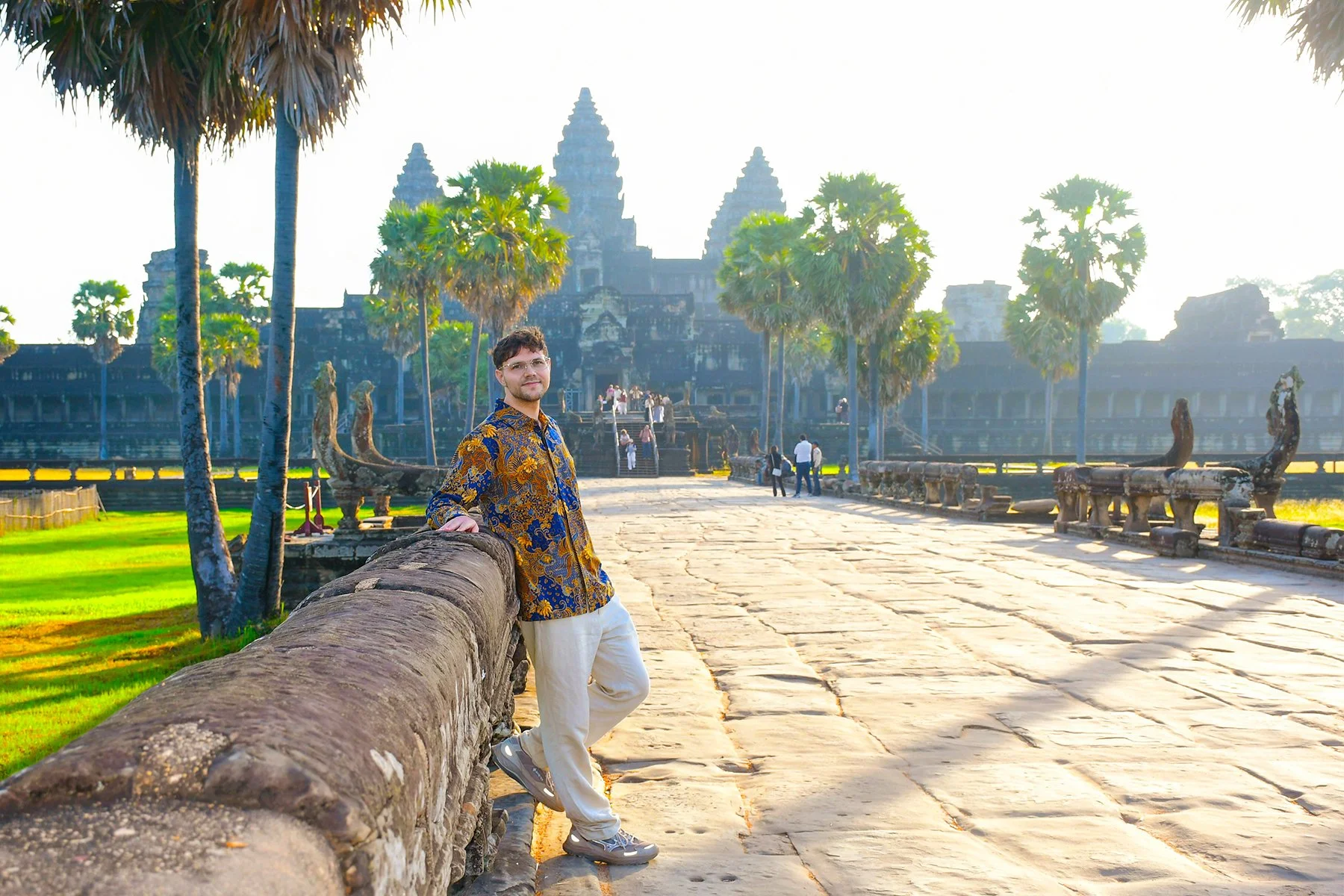
Cover photo: Posing at Angkor Wat, Siem Reap, Cambodia (2025).
Intro to Siem Reap
Siem Reap (said like “sim rip”) is the gateway to historic Angkor, home to the world’s largest religious complex, Angkor Archaeological Park. The lush green temple site is jaw-dropping, surpassing even my wildest dreams. Magnificent in both scope and detail, it’s a must-see for any passionate traveler.
Downtown Pub Street offers relaxing massages, tropical Cambodian dishes, and energetic nightlife. Furthermore, Siem Reap is evolving into a city of talented young artists and craftspeople. Meeting local artisans was the highlight of my trip. Still healing from a dark past, Cambodia’s resilience and creativity is deeply inspiring.
Siem Reap (សៀមរាប) translates to “Thailand Defeated”, reflecting Cambodia’s turbulent history with its western neighbor. Despite border tensions, I felt perfectly safe throughout my trip — a new ceasefire was announced December 27th. I wholeheartedly encourage travelers to visit.

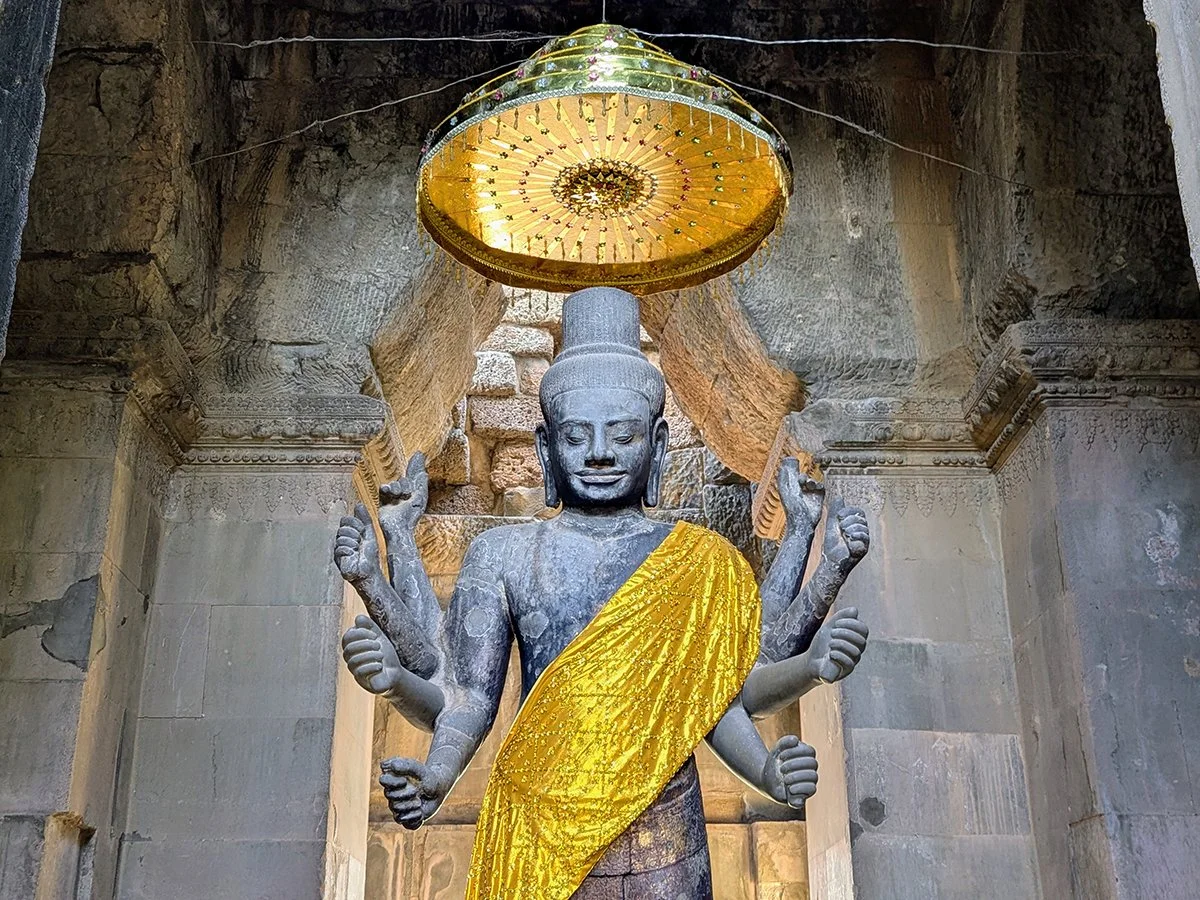
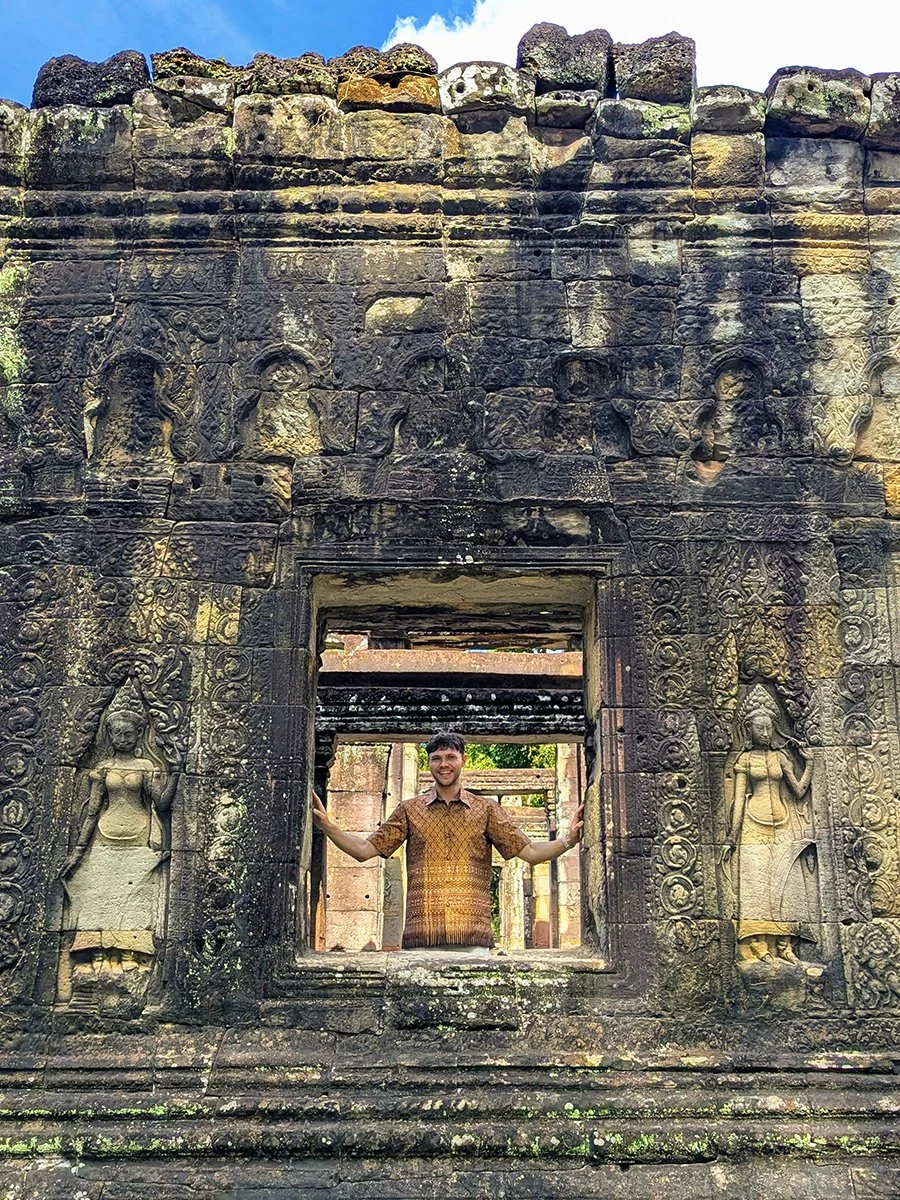
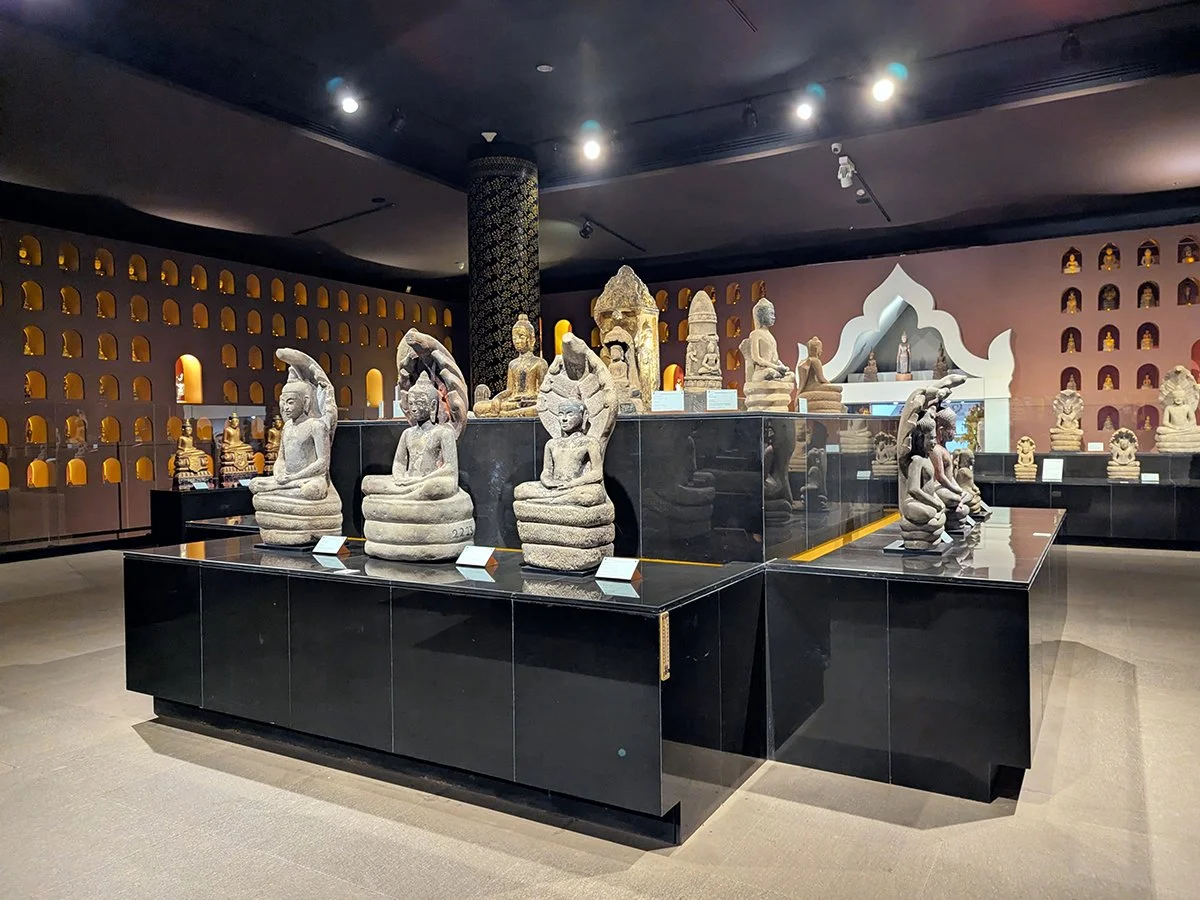
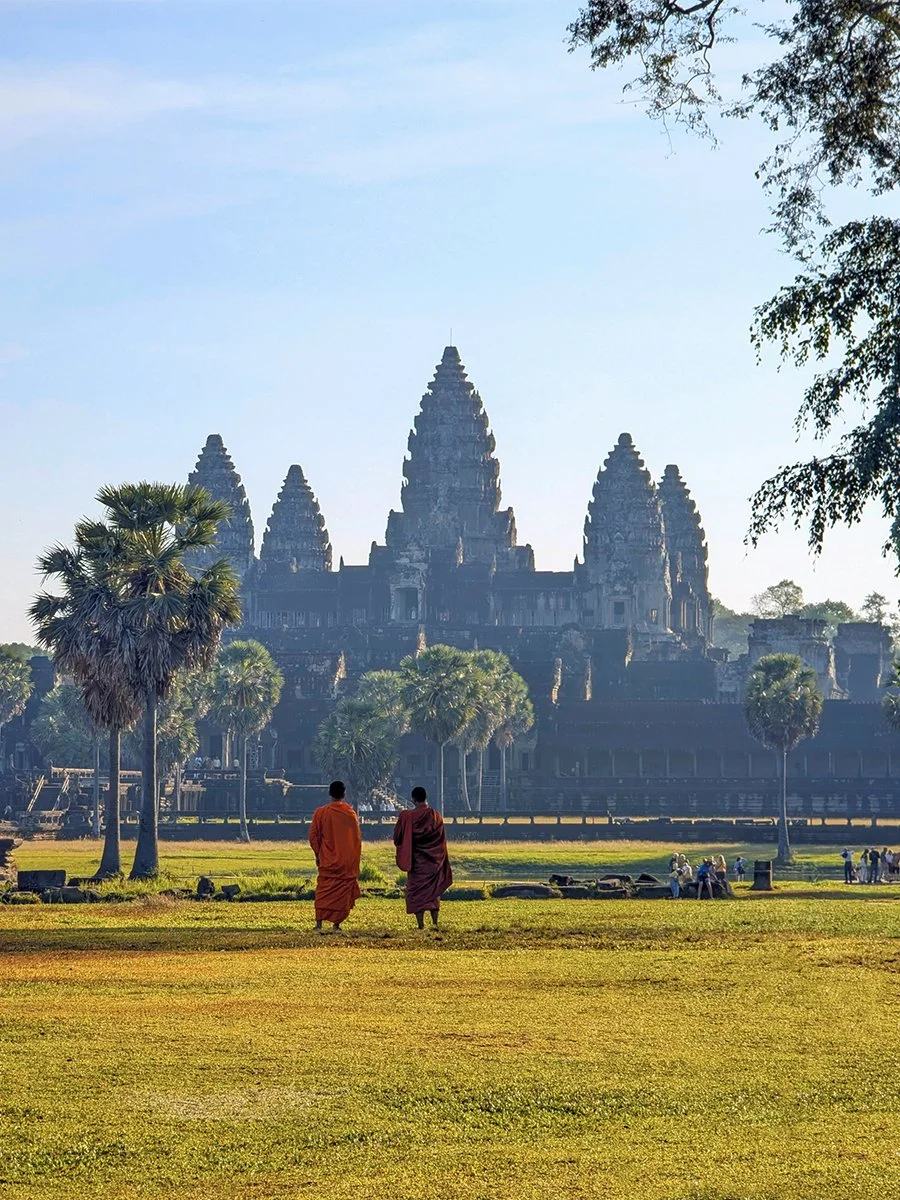
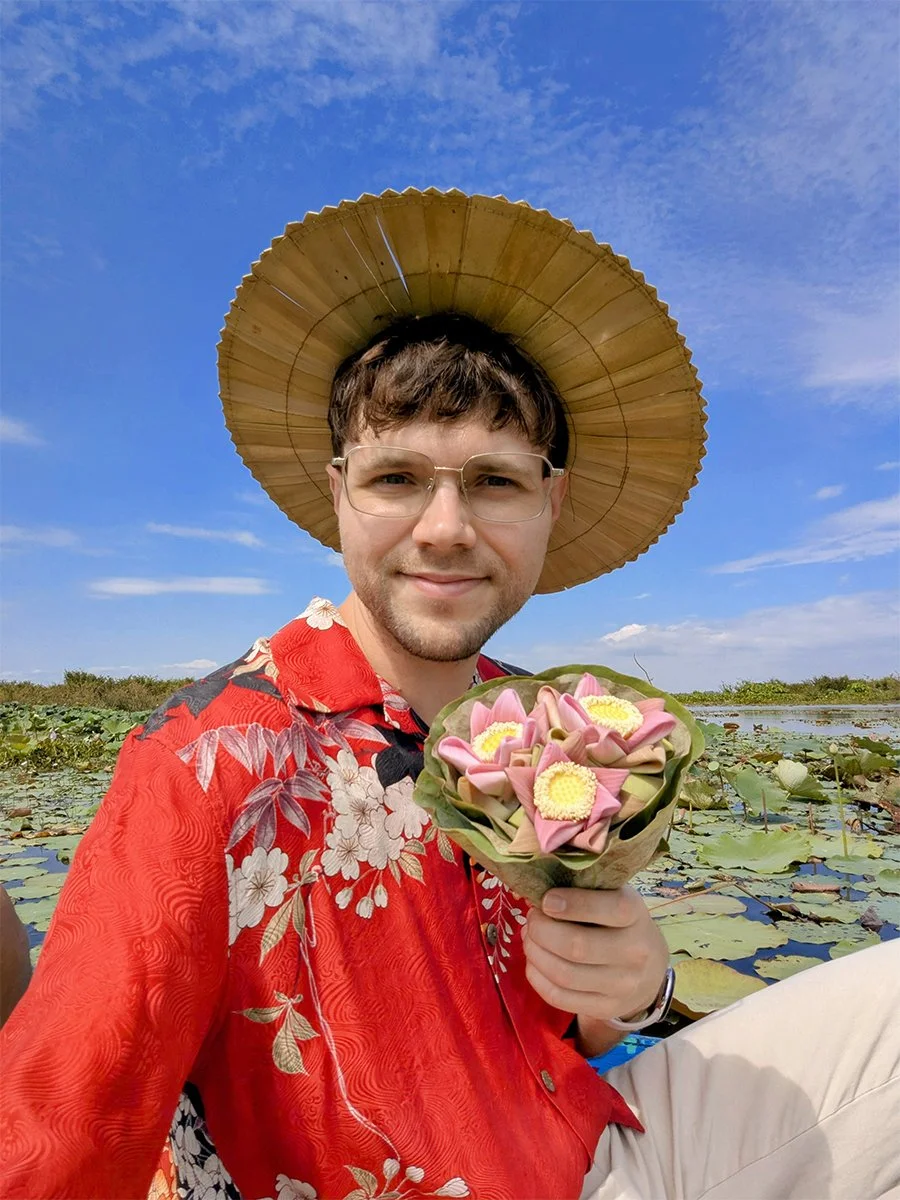
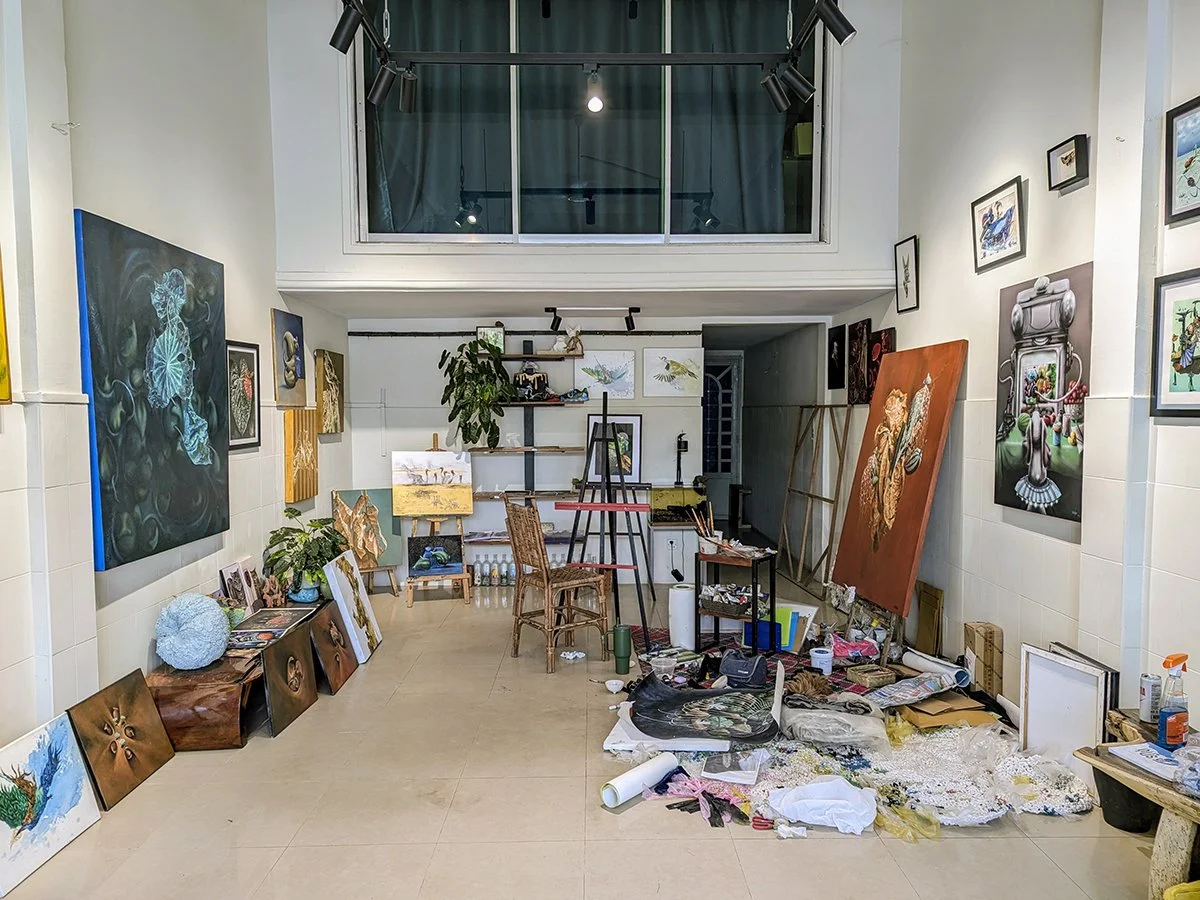
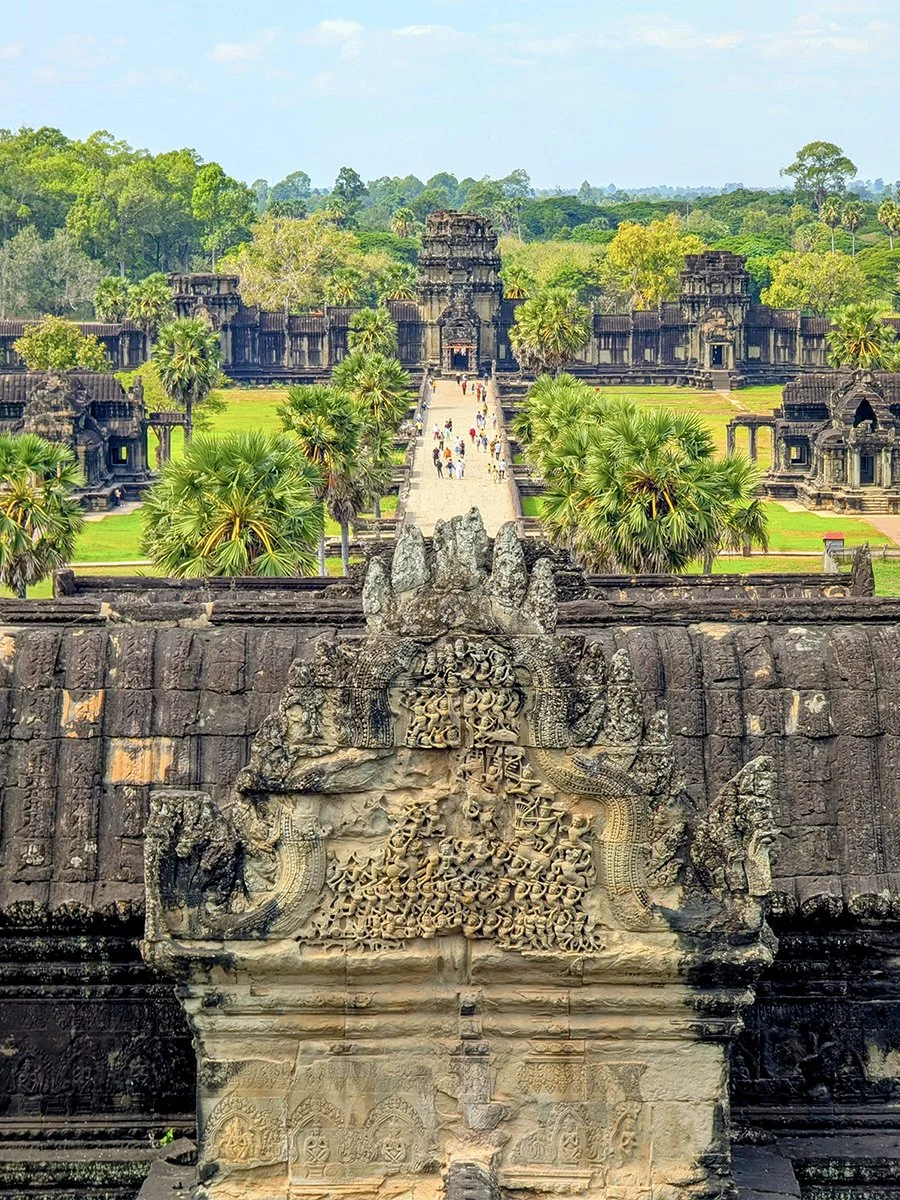
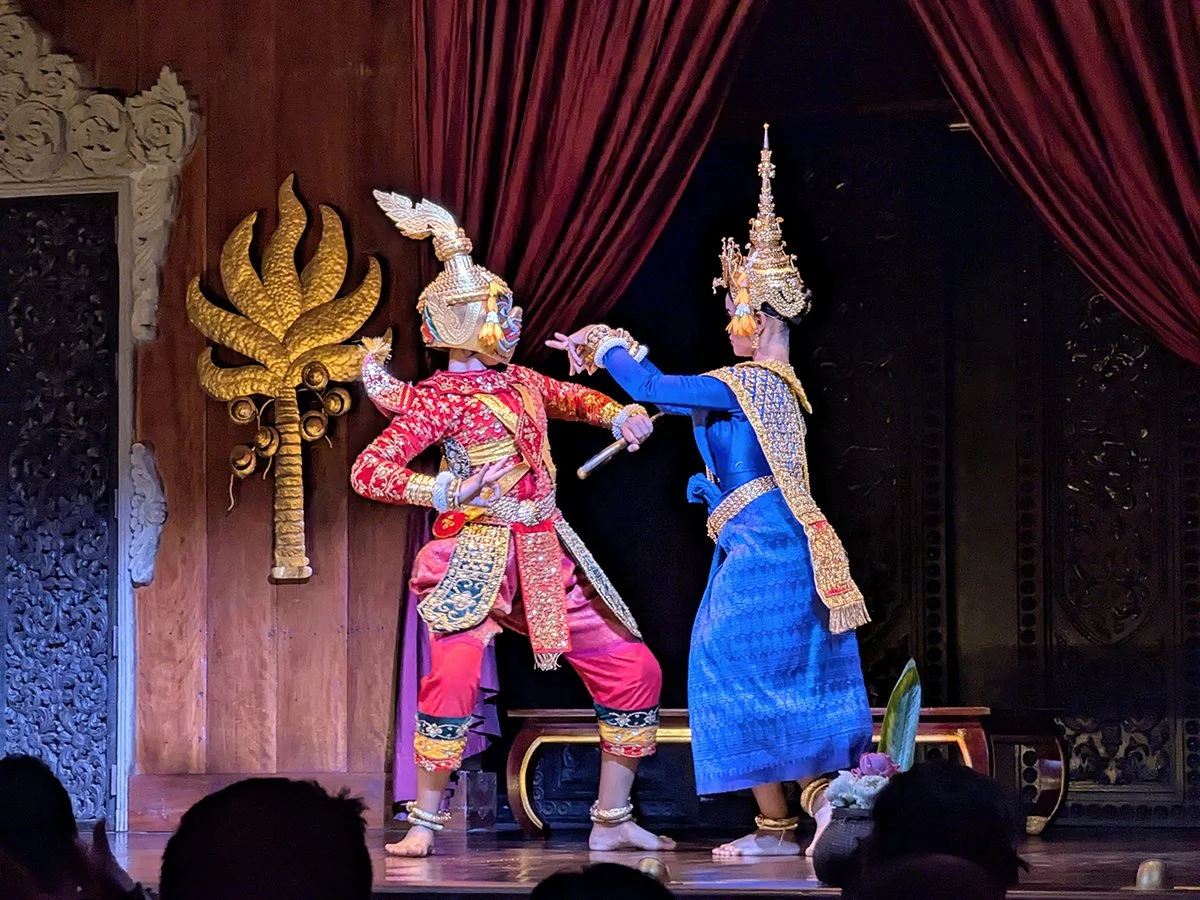
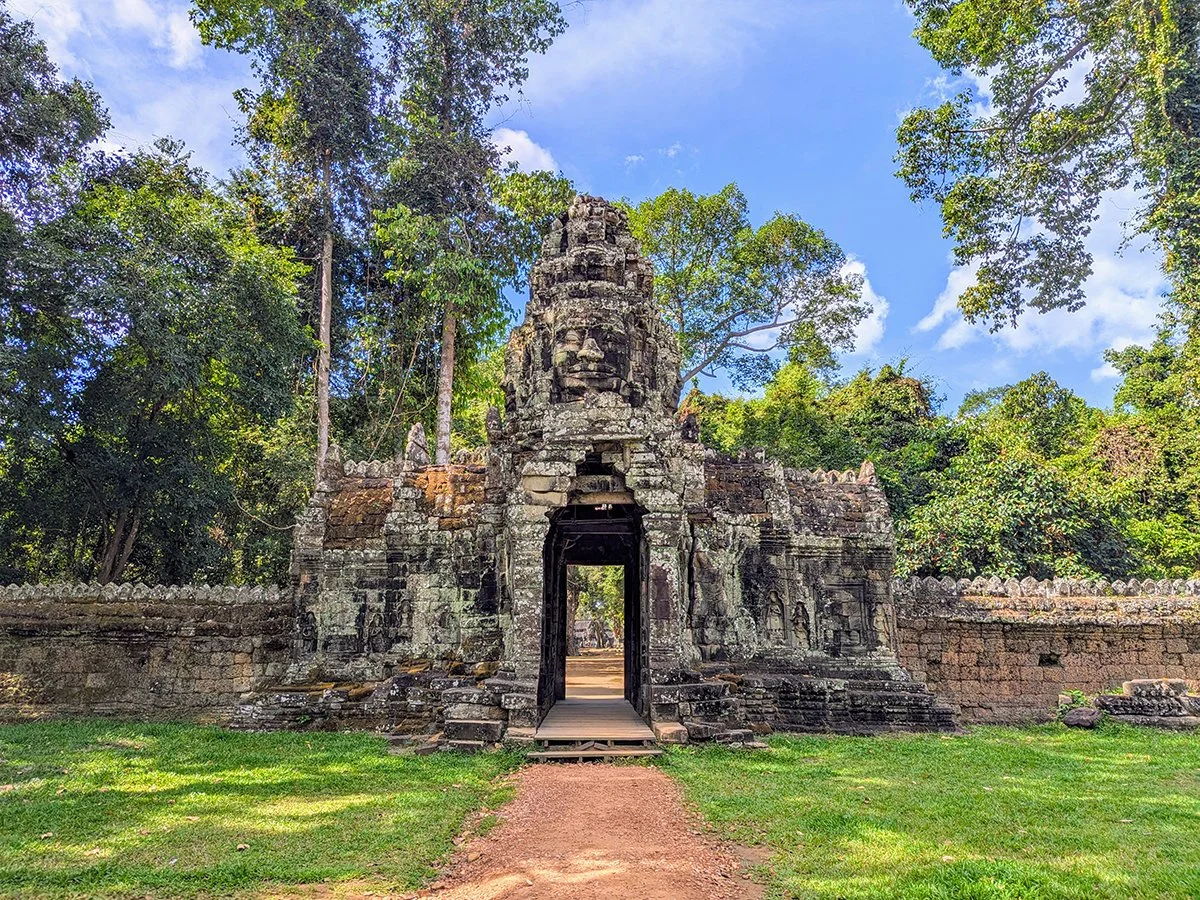
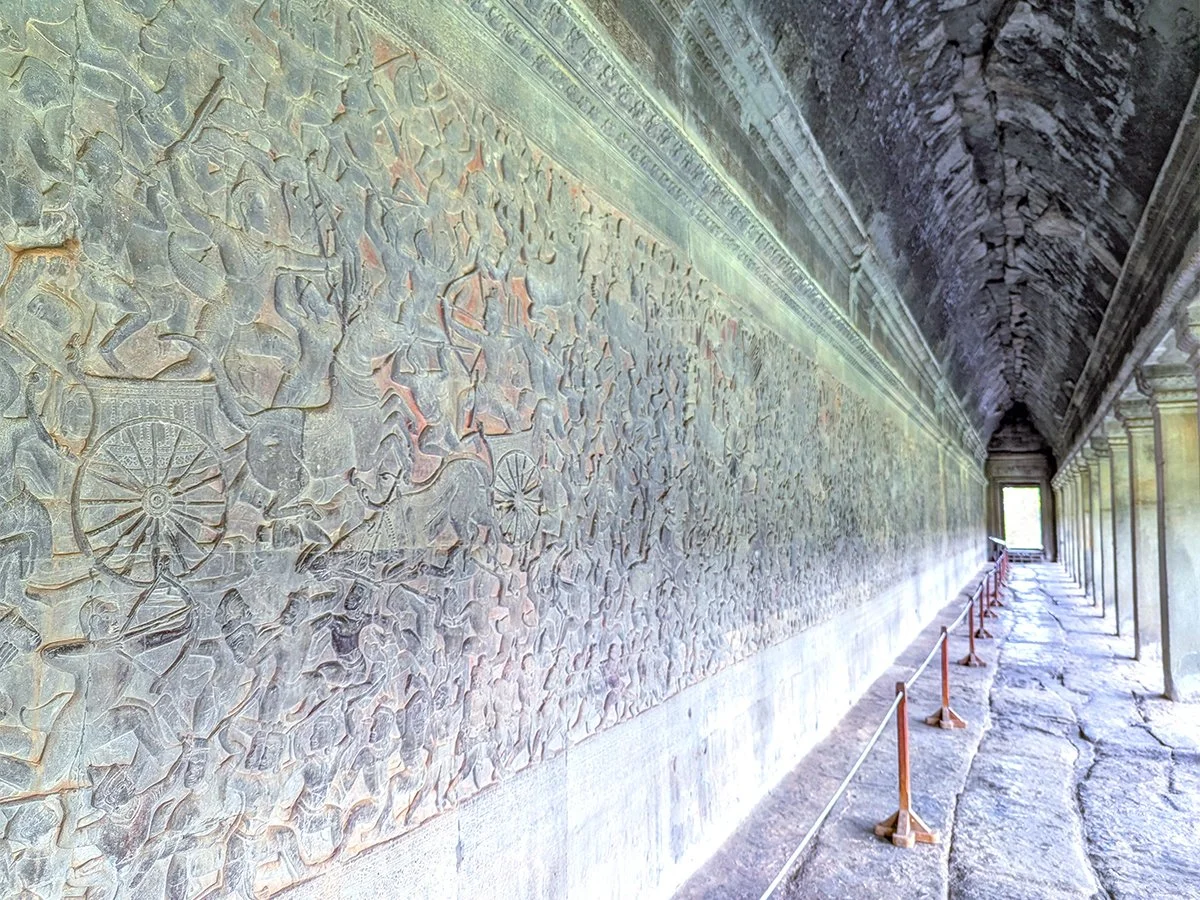
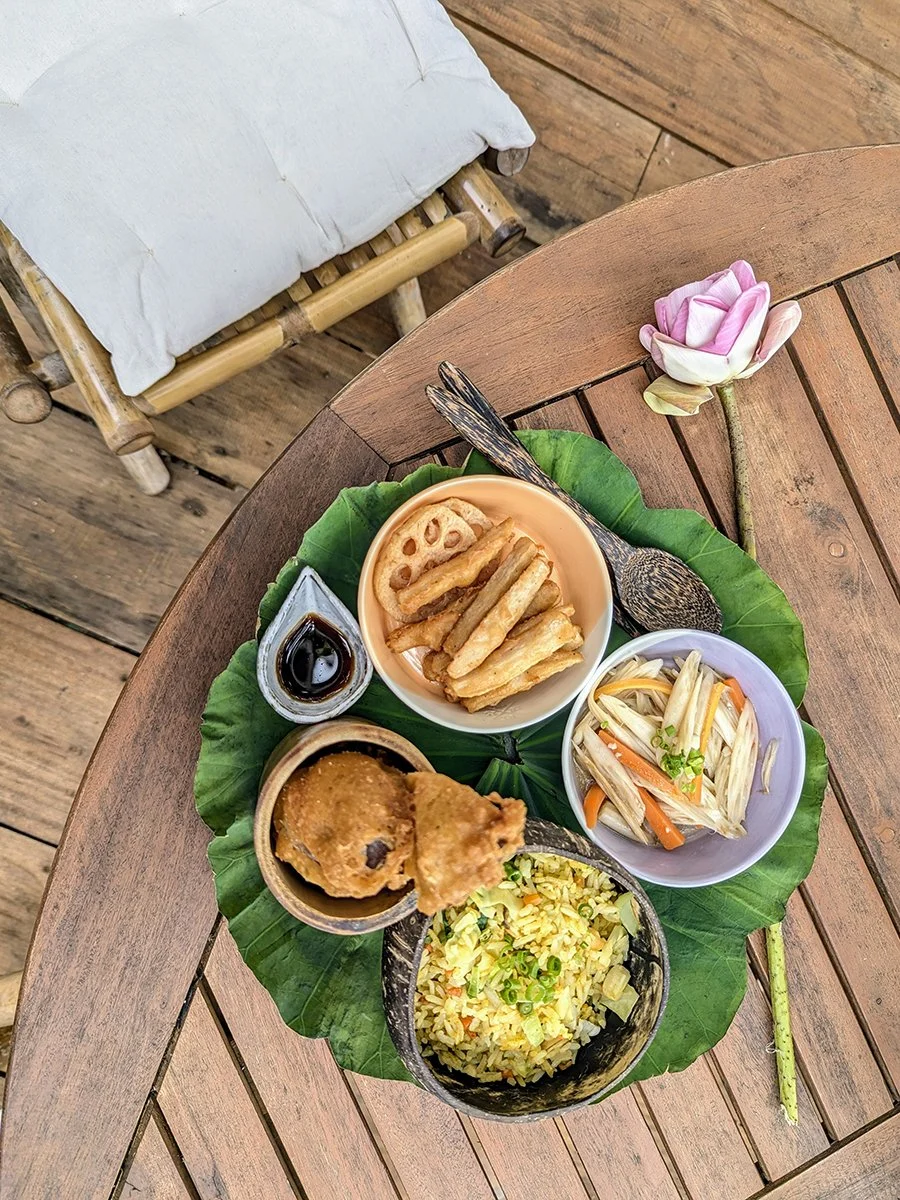
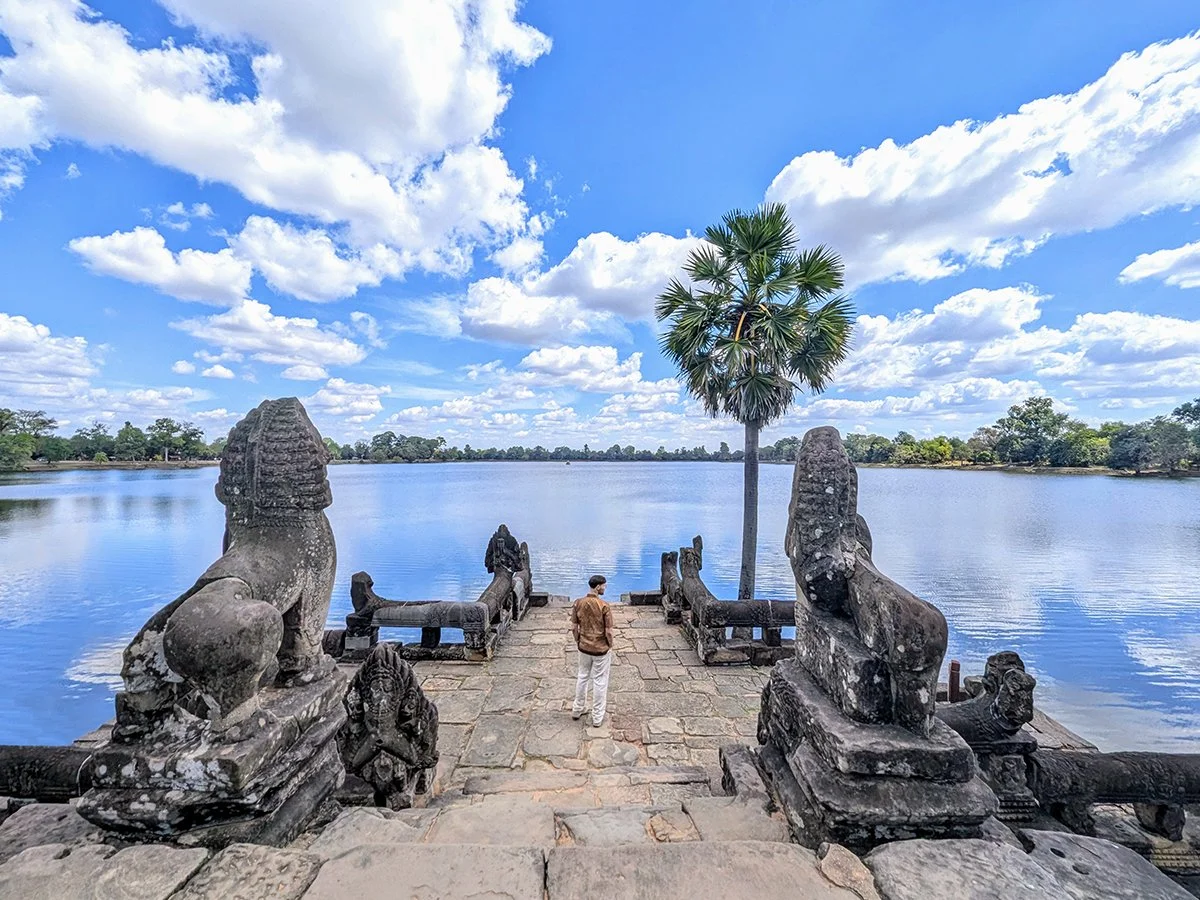
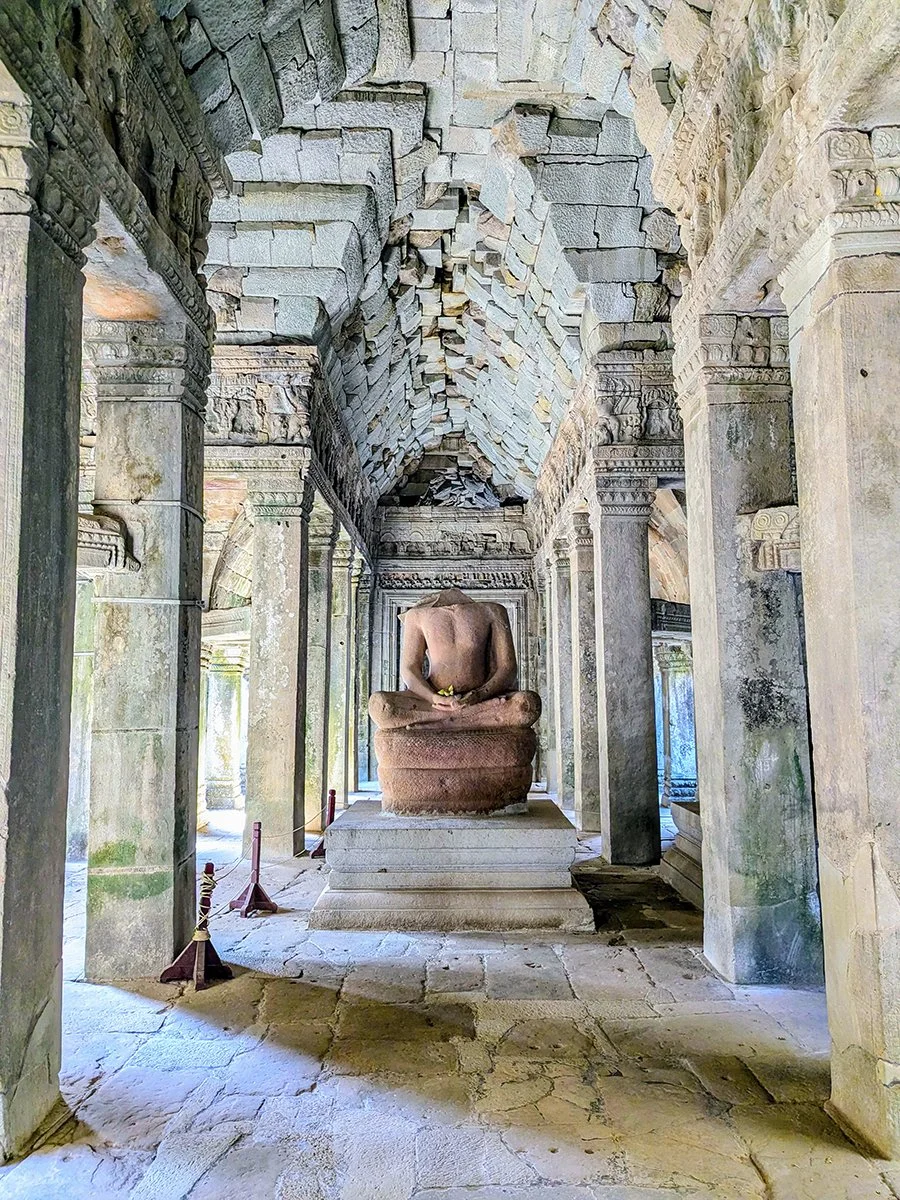
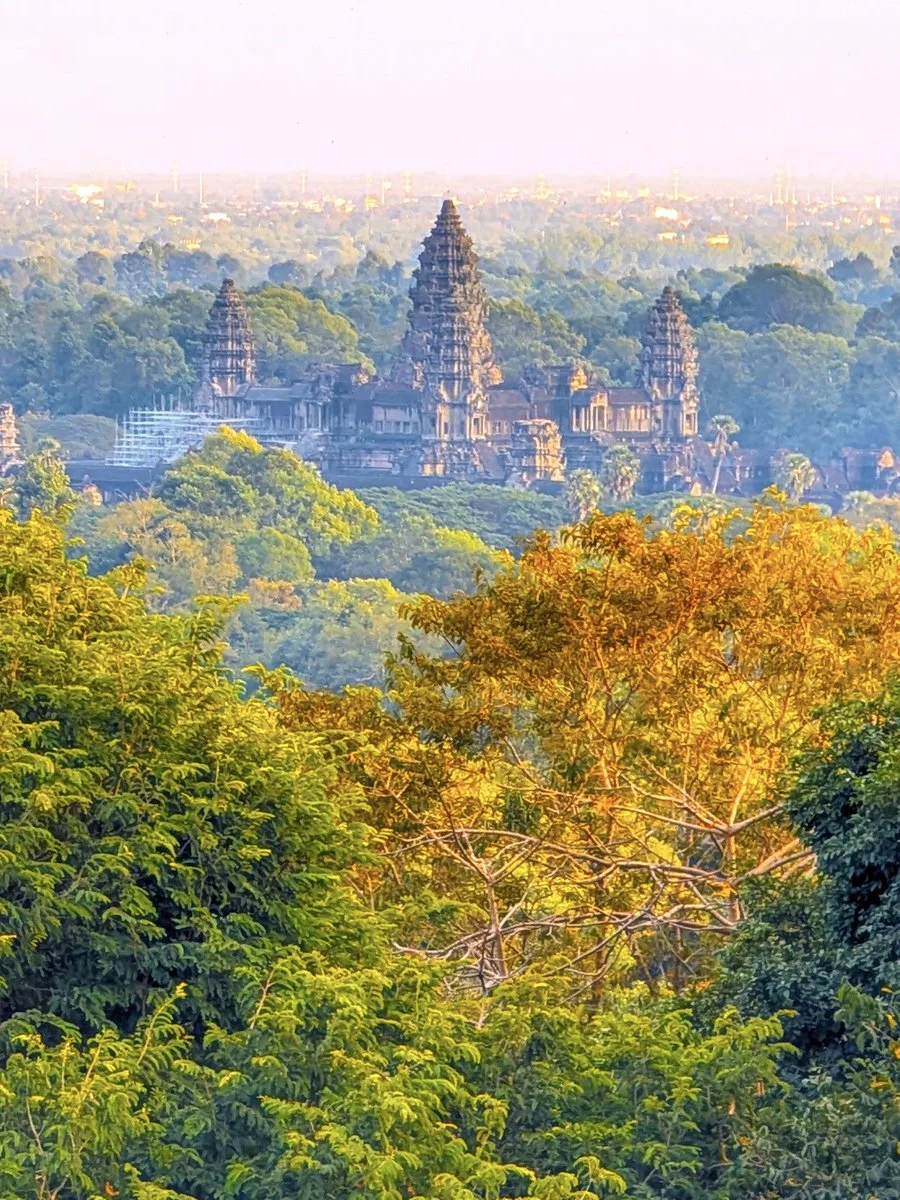
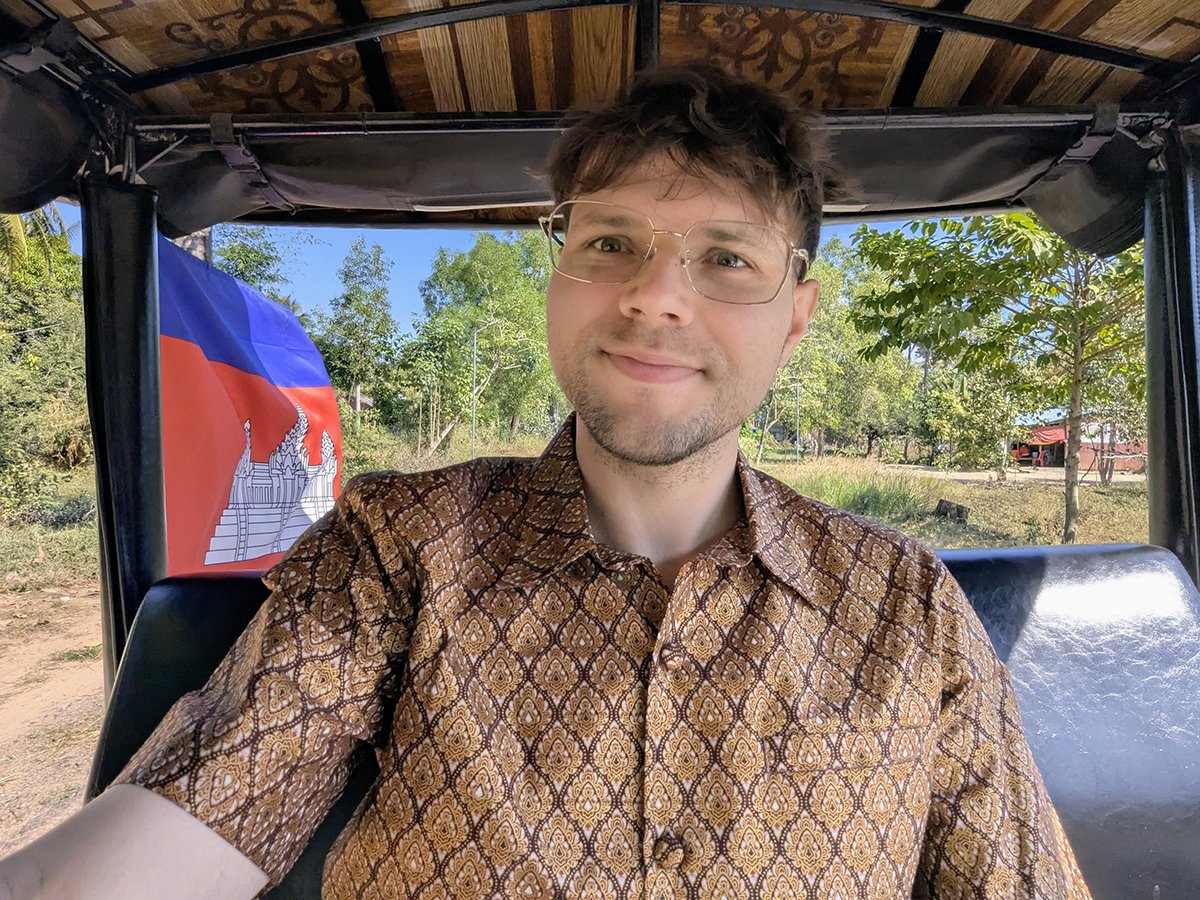
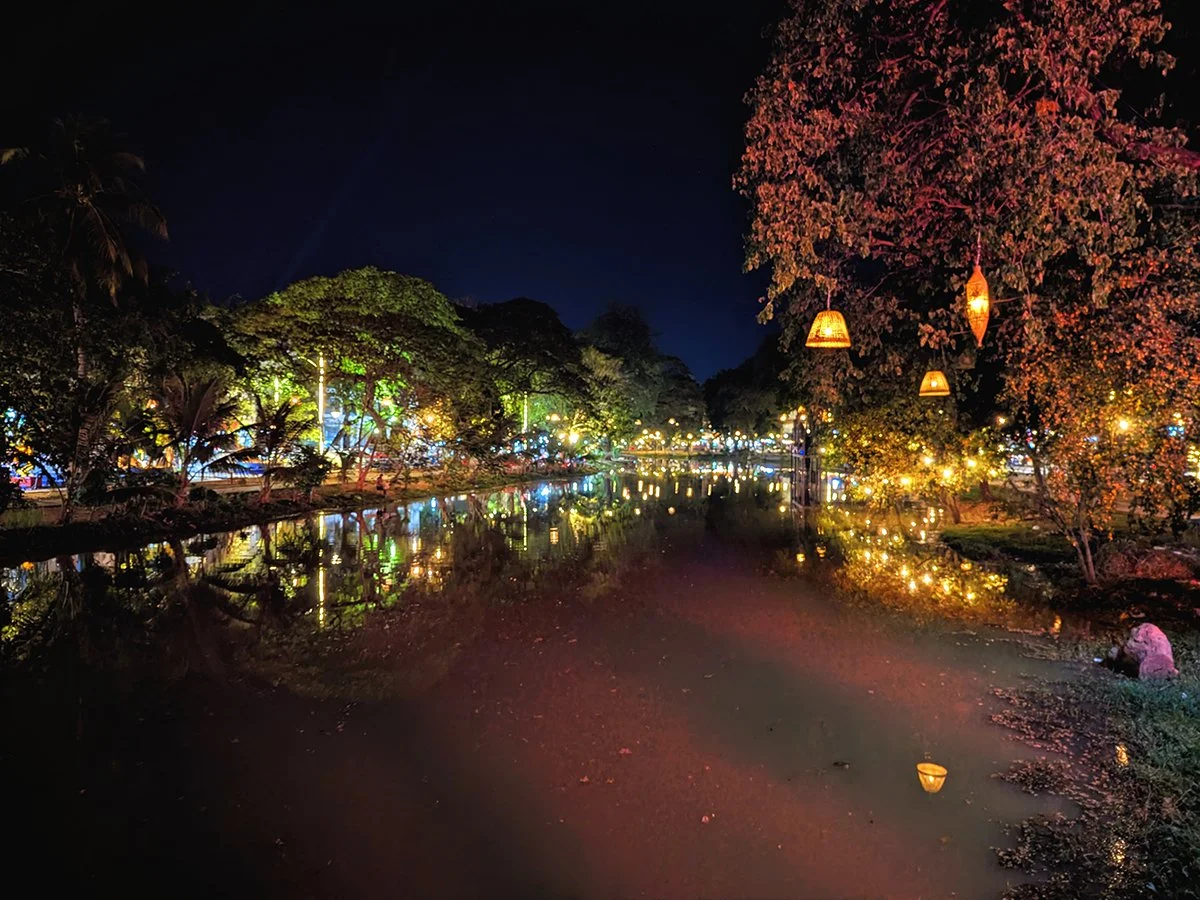

Click on an image above for details.
History of Siem Reap
Located north of Tonlé Sap (“Great Lake”), Siem Reap lies adjacent to Angkor (“Capital City”), established in 802 AD by King Jayavarman II (ជ័យវរ្ម័នទី២). It served as the heart of the Khmer Empire for over seven hundred years. At its peak around the 12th century, Angkor was among the most sophisticated urban centers in the world, with a population exceeding one million.
Amidst recurring conflict with neighboring Siam (modern-day Thailand), Angkor gradually declined by the 15th century, and political power shifted south toward Phnom Penh. Cambodia later sought protection from France, ultimately joining French Indochina (Indochine) in 1887.
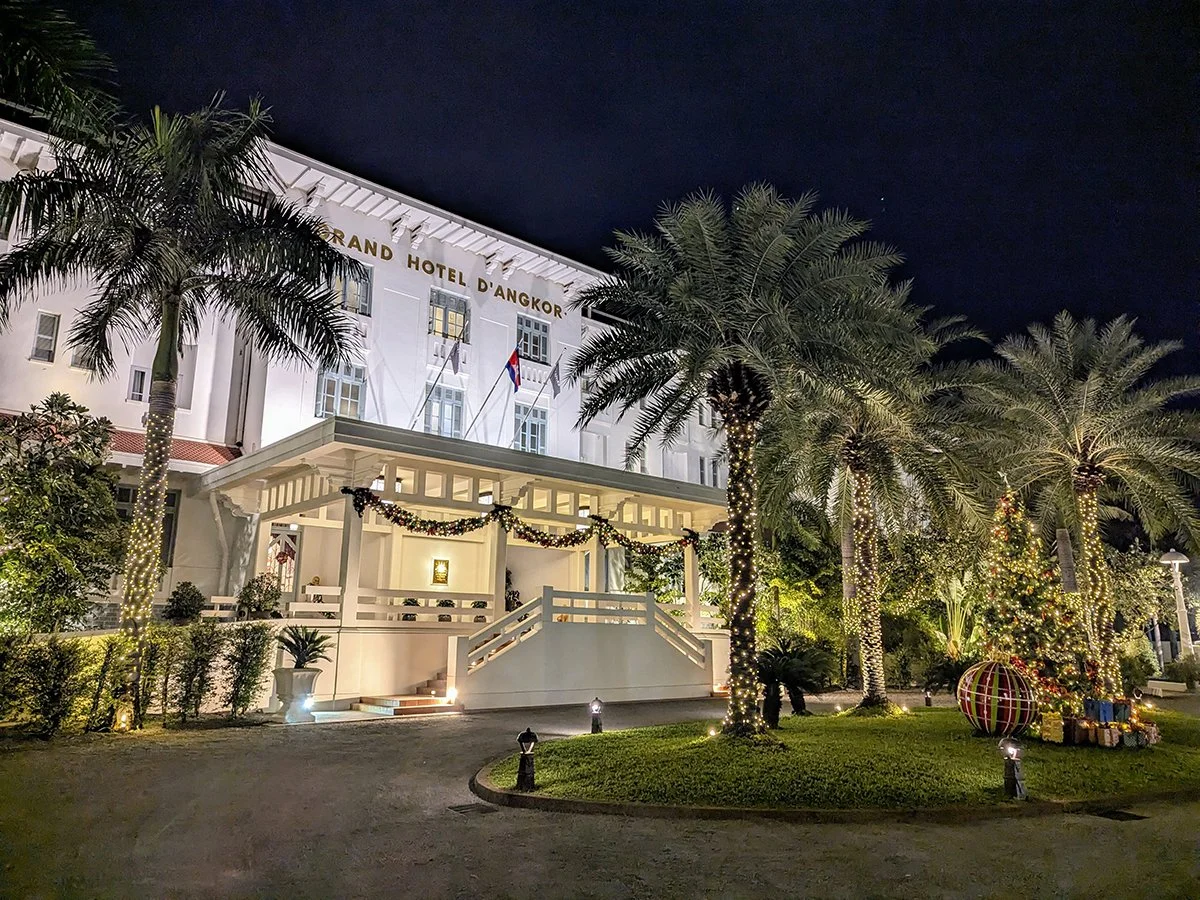
The Angkor region gained international attention after the temple complex was “rediscovered” and popularized by French explorer Henri Mouhot in the 1860s. A replica of Angkor Wat was built for the 1931 Paris Colonial Exhibition, epitomizing Greater France. During this era, Siem Reap developed as a market town near the ruins. Preservation efforts and tourism began. The first luxury accommodation, Grand Hotel d’Angkor, opened in 1932, welcoming early travelers and dignitaries.
Cambodia gained independence in 1953 under King Norodom Sihanouk (នរោត្តម សីហនុ). The nation later endured immense devastation from Henry Kissinger-led secret U.S. bombing campaigns during the Vietnam War, followed by the genocidal rule of the Khmer Rouge (1975-79) under dictator Pol Pot (ប៉ុល ពត). These events left Cambodia among the most heavily landmined countries in the world, a legacy still being addressed by local activists such as Aki Ra and international demining organizations.
In recent decades, Angkor’s profile has grown rapidly. Notably, the temple complex appeared in the 2001 film Lara Croft: Tomb Raider, starring Angelina Jolie. Today, Siem Reap is Cambodia’s second-largest city and a major tourist destination, increasingly diversifying into arts, crafts, and creative industries.
Cuisine of Siem Reap
The unofficial national dish of Cambodia is fish amok, a steamed coconut curry flavored with lime, turmeric, and lemongrass. Typically served with white fish, it’s fragrant, light, yet totally satisfying. Though many recipes were lost during the Khmer Rouge, it’s said that fish amok dates back to the royal empire.
Cambodia is also blessed with a bountiful variety of tropical fruits such as dragon fruit, rambutan, and durian. Visitors can sample local dishes at Apsara Theatre, which hosts nightly dinner shows featuring traditional dance performances. The pomelo salad is especially delicious.
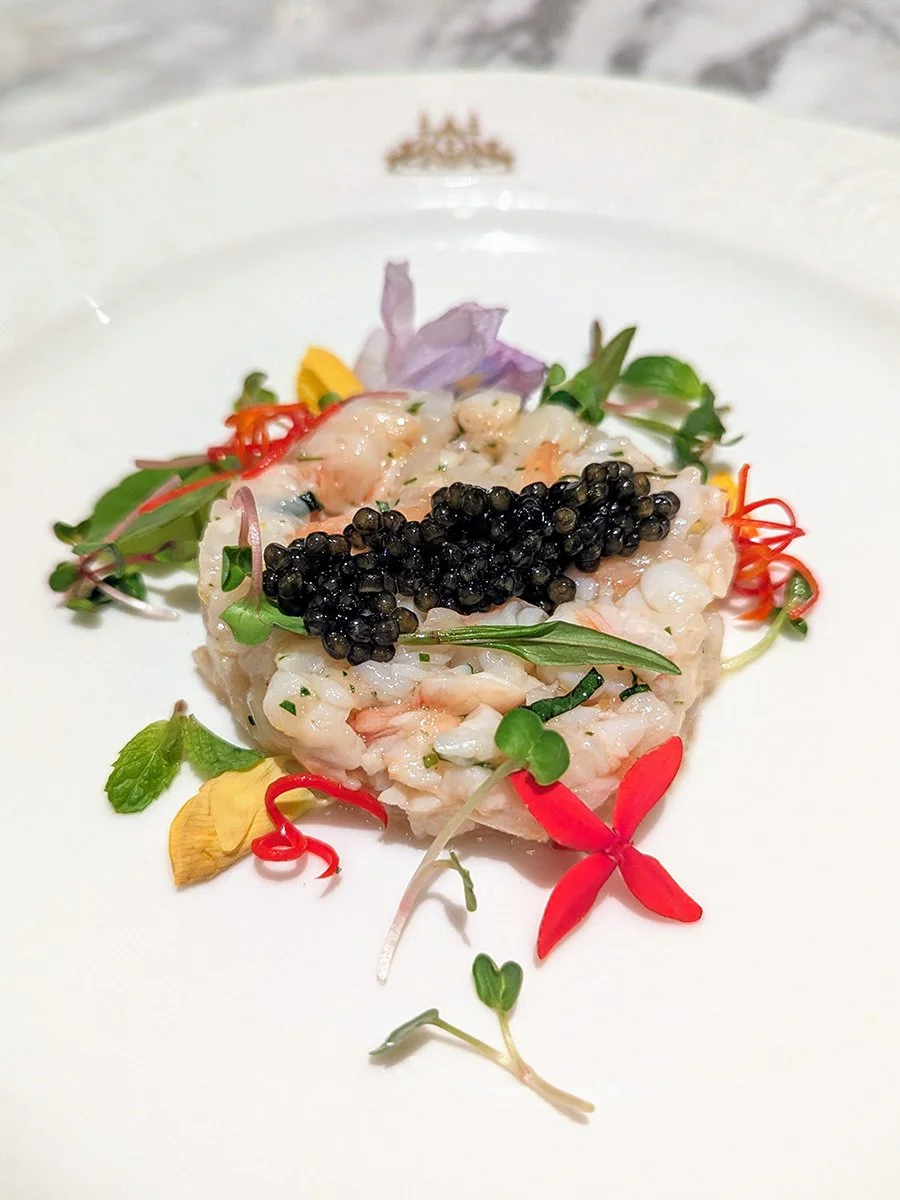
As an international tourist hub, Siem Reap offers a wide range of cuisines with strong influences from India, China, and France. I especially recommend dining at the historic Raffles Grand Hotel d’Angkor. My exquisite Christmas dinner included caviar, lobster, quail, monkfish, and striploin.
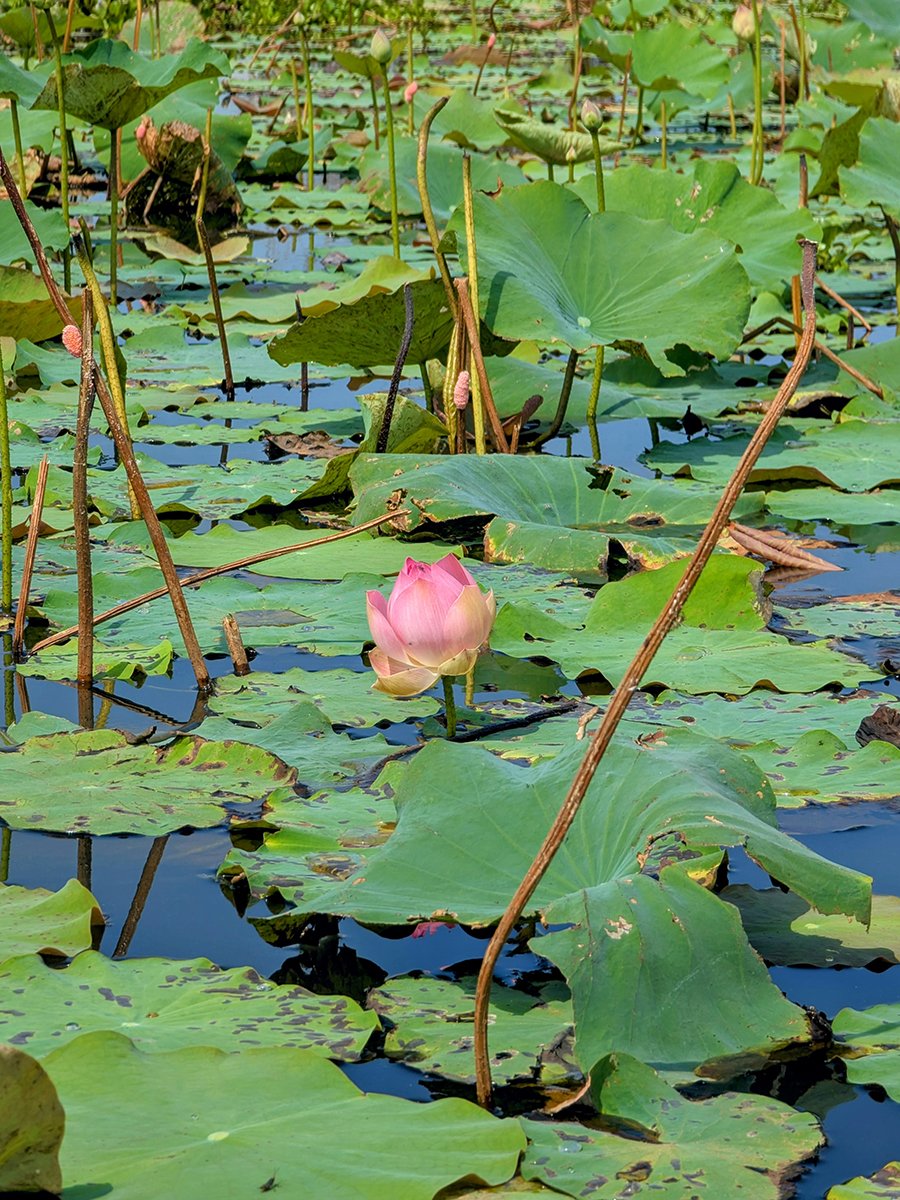
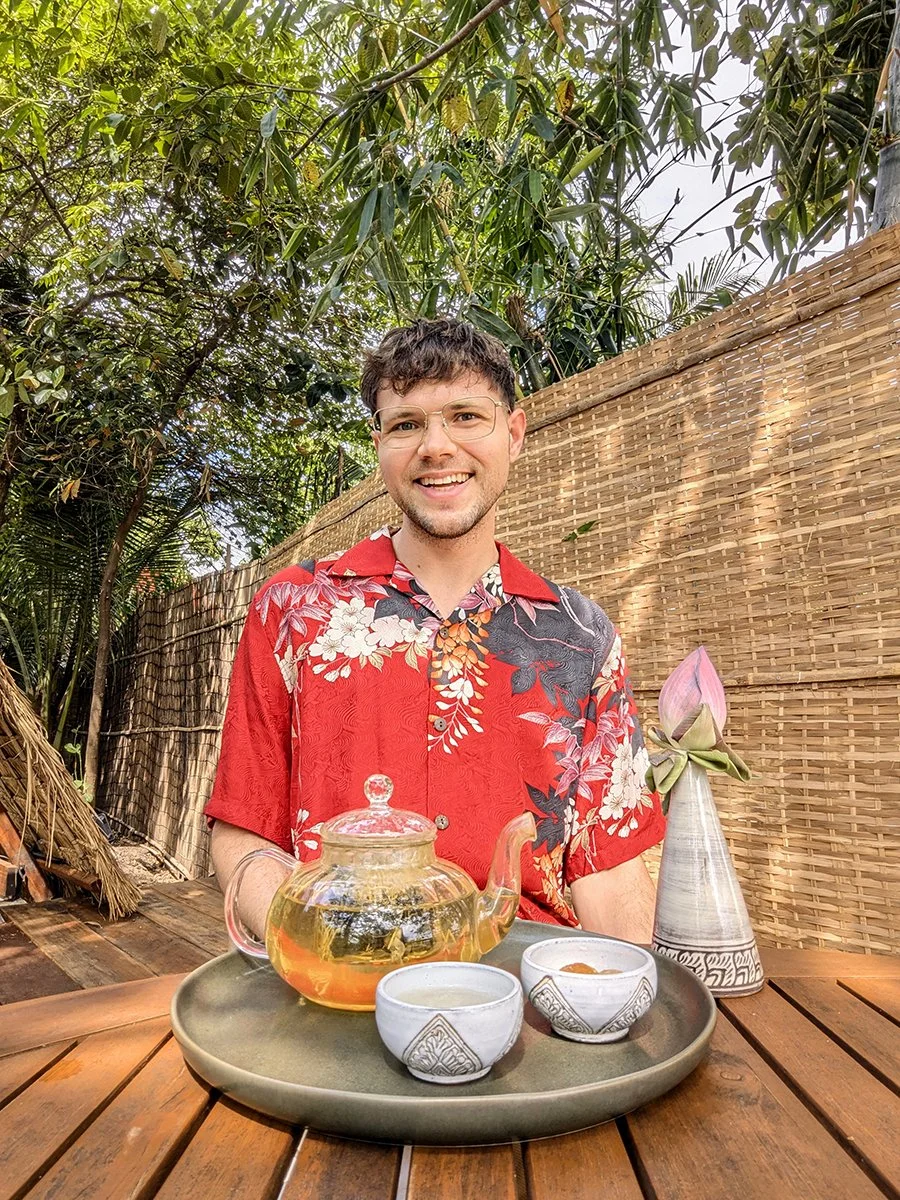
I also enjoyed my innovative lunch at the Lotus Silk Farm, featuring lotus petals, seeds, stems, and roots. It’s a perfect choice for vegetarians and travelers seeking farm-to-table experiences.
Angkor Archaeological Park
Angkor Archaeological Park is a vast UNESCO World Heritage Site encompassing the ruins of the former Khmer capital. Located just outside Siem Reap, it spans more than 400 square kilometers (154 square miles) and contains over seventy major Hindu and Buddhist temples, along with reservoirs, roads, and ancient urban infrastructure.
The Angkor complex was inscribed as a UNESCO World Heritage Site in 1992 and remains a beacon of international cooperation, supported by preservation teams and archaeological experts from around the world.
Within the park, Angkor Wat is the most famous and best-preserved temple. Translating to “Capital City Temple,” Angkor Wat represents the pinnacle of Khmer architecture and is considered the largest religious monument in the world. Its iconic form appears on the national flag.
Angkor Wat was originally dedicated to the Hindu deity Vishnu, protector of the universe. The five central towers are believed to symbolize Mount Meru, the mythical home of the gods. Facing west toward the setting sun, the temple was likely intended as a royal mausoleum. The intricately carved bas-relief friezes lining the outer gallery are especially impressive.
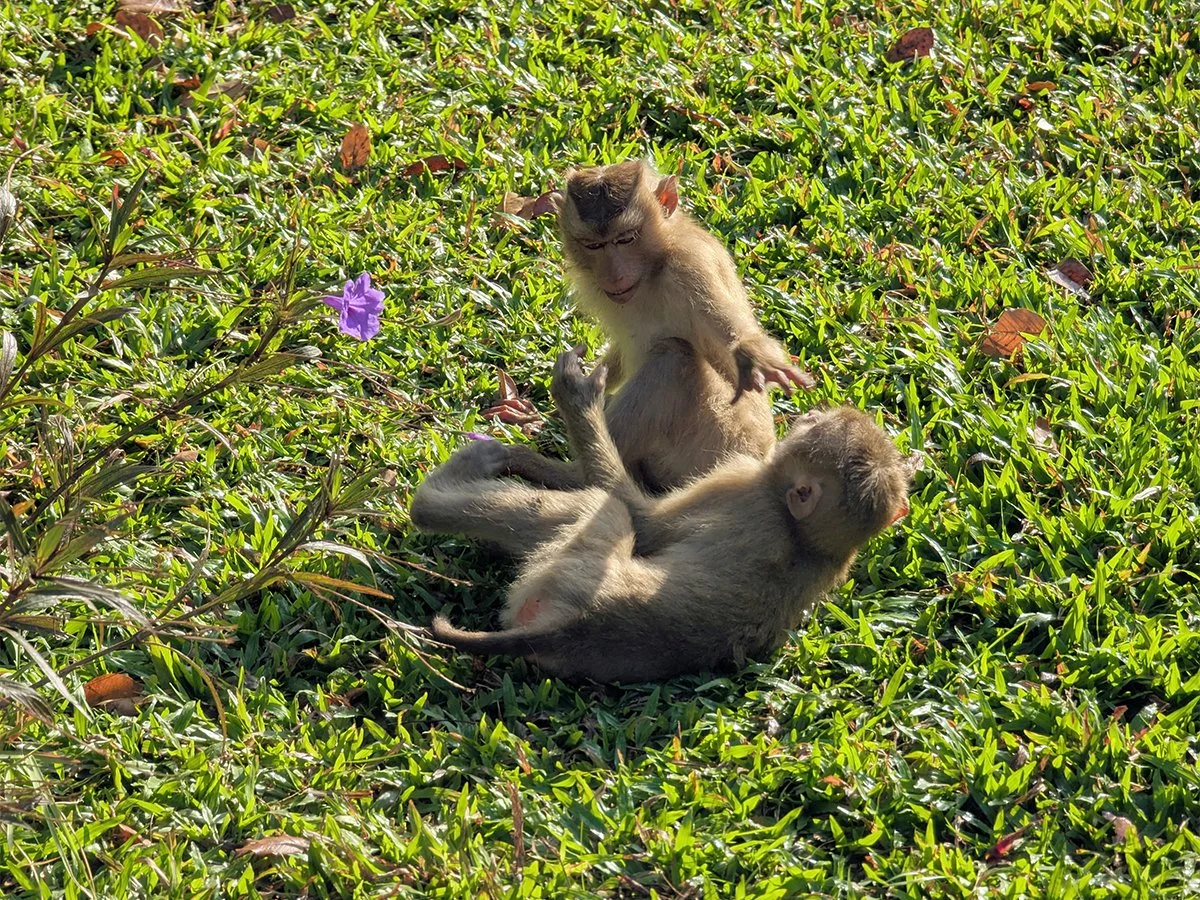
Many temples within the park remain active places of worship, frequented by monks and local devotees. All visitors should dress appropriately, with shoulders and knees covered. I recommend wearing light fabrics such as linen or silk. Monkeys are common throughout the site, so keep food secured, and bring plenty of water to stay hydrated in the tropical heat.
Due to the sheer scale of Angkor Archaeological Park, it’s impossible to explore on foot alone. Booking a tuk-tuk driver for the day is the most practical option and typically starts around 20 USD. In addition to Angkor Wat, major highlights include Bayon Temple, known for its serene stone faces, and Ta Prohm, where massive tree roots intertwine with ancient ruins.
Local tour guides and photographers are readily available throughout the park and are happy to offer their services for a fee. I recommend negotiating prices in advance. While some workers accept card payments, carrying cash is strongly advised.
Tickets for Angkor Archaeological Park can only be purchased online or at the dedicated off-site office, Angkor Enterprise. There are no ticket booths inside the park itself. While it’s possible to see the main highlights in a single day, I strongly recommend a multi-day pass for a more relaxed experience. This also increases your chances of enjoying a clear sunrise or sunset over the temples.
Entertainment & Activities in Siem Reap
Aside from Angkor Archaeological Park, there is much to enjoy around Siem Reap. Above all, I recommend watching traditional dance at Apsara Theatre. The combination of costuming, choreography, and music is mesmerizing. Booking tickets online in advance is recommended for better seating.
For a unique experience, try the Lotus Silk Farm, an artisan facility that produces luxurious lotus silk. The site offers guided tours, craft workshops, tea service, dining, and a boat excursion. Advance reservations are recommended.
Massage services are especially popular and easy to find around Pub Street. There’s nothing better than a massage after a day of temple-hopping! I also caught a stellar shadow puppet show at FCC Angkor by Avani. The hotel hosts frequent cultural events, also open to non-guests.
Art & Museums in Siem Reap
Still emerging from the shadow of the Khmer Rouge, Cambodia is a young country with a median age under 30. Accordingly, the contemporary art scene here is youthful, energetic, and experimental.
Most notably, Siem Reap is home to the River Gallery, established in 2023 to exhibit students from the nonprofit Colors of Cambodia Art School. At nearby FCC Angkor, I enjoyed a wonderful collection by Rith Bonrotanak (រិទ្ធិ៍ បុណ្យរតនៈ), an artist exploring Khmer culture through detailed neon paintings. I also stopped by Cocoon House, a skateboarding lifestyle hub and studio for French-born artist Véronique Bour.
Amidst border tensions with Thailand, over 50 local artists collaborated to create the “Art for Peace” mural near the Royal Residence. Measuring 30 meters (98 feet) long, the stunning work covers themes of pain, loss, silence, truth, and peace. It’s heartwrenching.
Shopping & Souvenirs in Siem Reap
Popular Cambodian souvenirs include spices, textiles, leather goods, stoneware, and silver jewelry. I highly recommend visiting artisan collective Satcha Handicraft Center. I also enjoyed browsing Made in Cambodia Market and the SATU Concept Store, where I purchased a beautiful rattan bag by women’s group MANAVA.
Transportation & Accommodation in Siem Reap
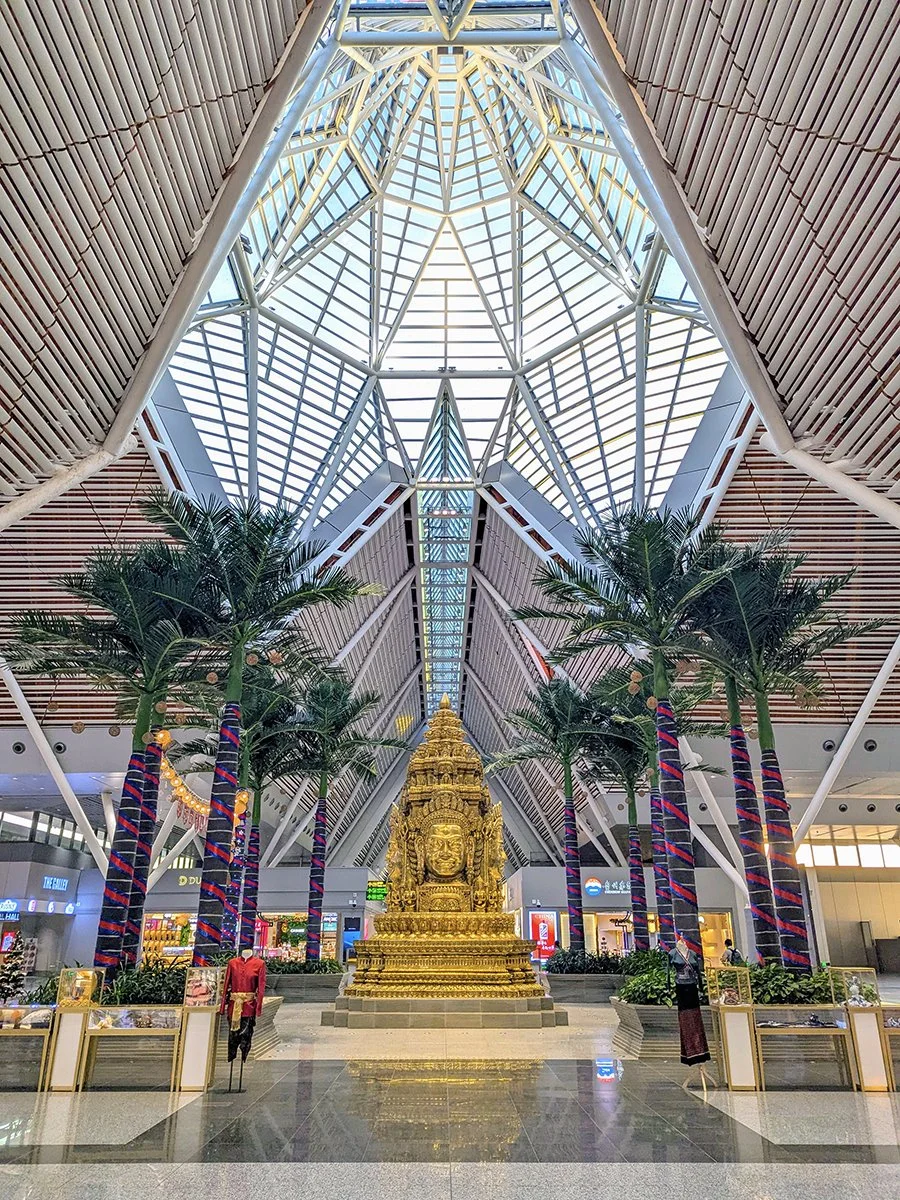
Siem Reap is served by the new Siem Reap-Angkor International Airport (SAI), which opened in 2023. Visitors can reach downtown via the Siem Reap Airport Bus, the cheapest and most comfortable way to reach the city center.
Most hotels are clustered around Pub Street. There are accommodations for every budget. I had a pleasant stay at Le Vert Angkor Hotel. If money is no concern, I recommend FCC Angkor by Avani or Raffles Grand Hotel d’Angkor.
There is virtually no public transit in the city, though downtown is walkable. The primary mode of transportation is tuk-tuk. Use ride-hailing app Grab to avoid scams. Pro-tip: wear a mask to protect against diesel fumes and dust.
Cambodia Practical Information
Cambodia’s peak tourist season runs from December to February, with dry weather and cooler temperatures comfortable for sightseeing. I suggest spending at least two days in Siem Reap.
The national language is Khmer, though English is widely spoken in tourist areas. In Khmer, “thank you” is au kun (ឣរគុណ). Tap water is not considered safe to drink. Cash is often necessary for street vendors and small businesses. Both the Cambodian riel (KHR) and U.S. dollar (USD) are accepted. Note: U.S. citizens require a visa to enter Cambodia.
Gay Travel & Nightlife in Siem Reap
In Cambodia, same-sex relations are legal, although same-sex marriage is not recognized and there are no explicit anti-discrimination laws. I suggest avoiding public displays of affection.
Overall, I found Siem Reap welcoming and relaxed. I especially enjoyed bars Barcode and God, both featuring regular drag shows. I also recommend a visit to Men’s Resort & Spa, offering a pool, sauna, and massage services.
Top Attractions in Siem Reap
Angkor Archaeological Park (UNESCO World Heritage Site)
Apsara Theater (dinner show) RESERVE
Pub Street (city center)
Angkor National Museum (history & culture)
Lotus Silk Farm (immersive experience) RESERVE
River Gallery (contemporary art)
Cambodia Landmine Museum
Tonlé Sap Boat Cruise*
Phare, The Cambodian Circus*
*I did not visit these attractions.