Travel Guide: Busan
The relaxed port city offers coastal sights, hiking, and fresh seafood.
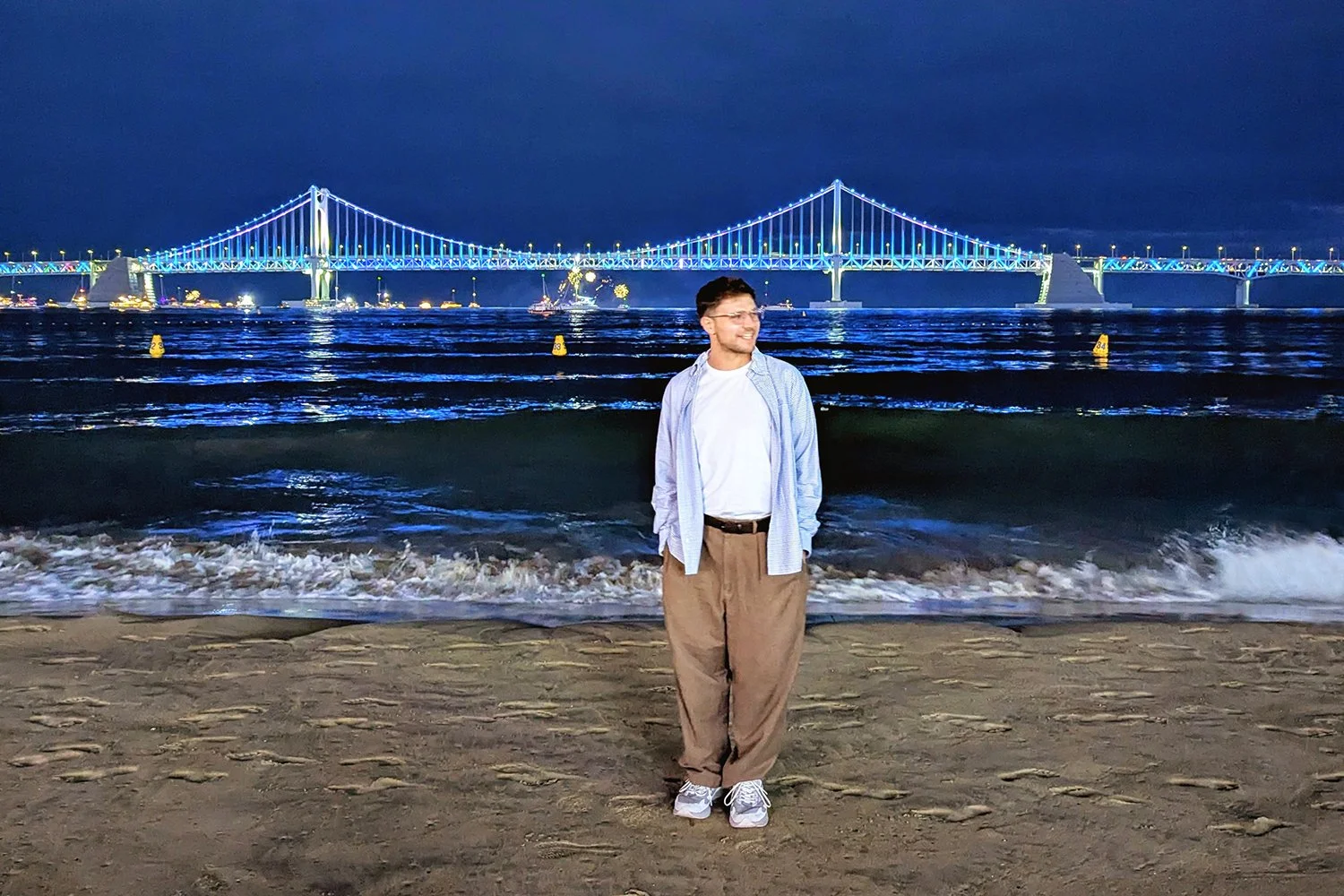
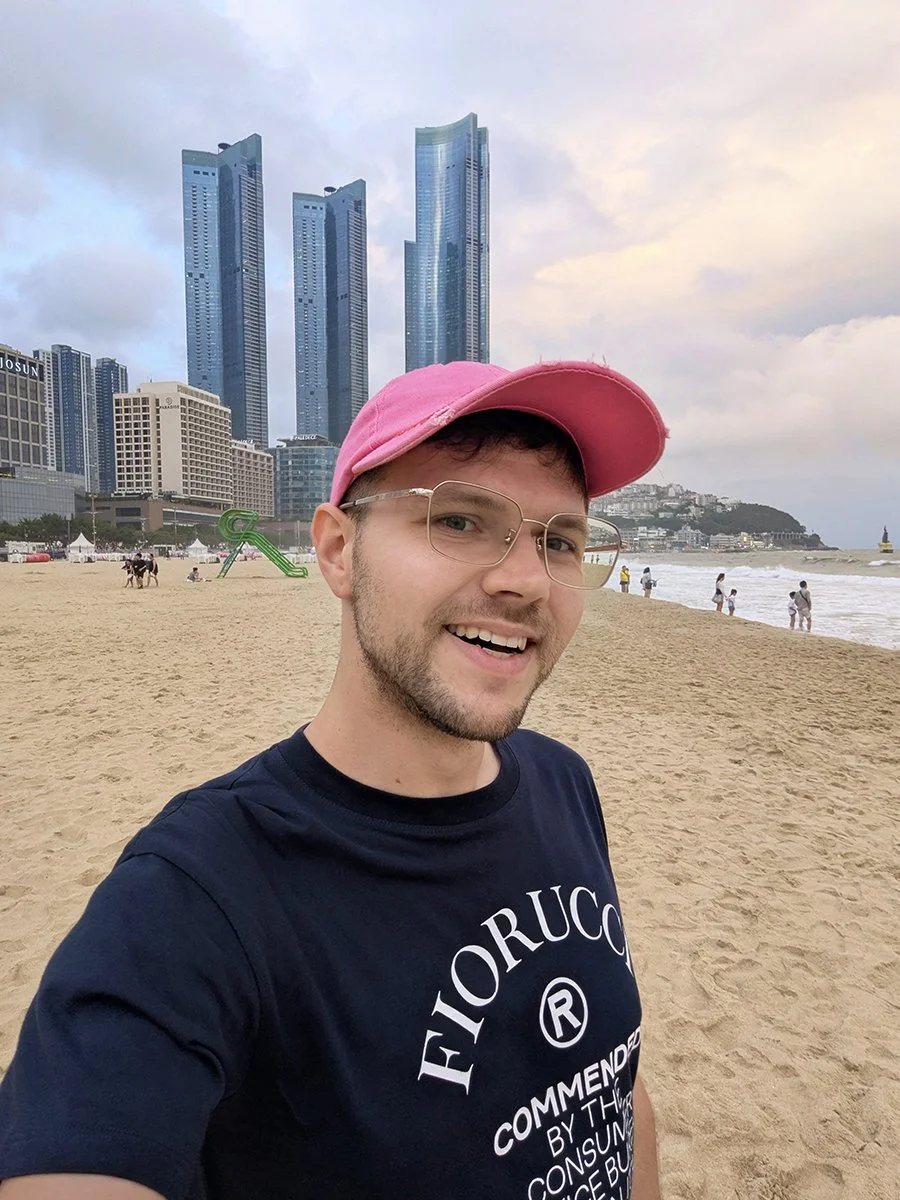
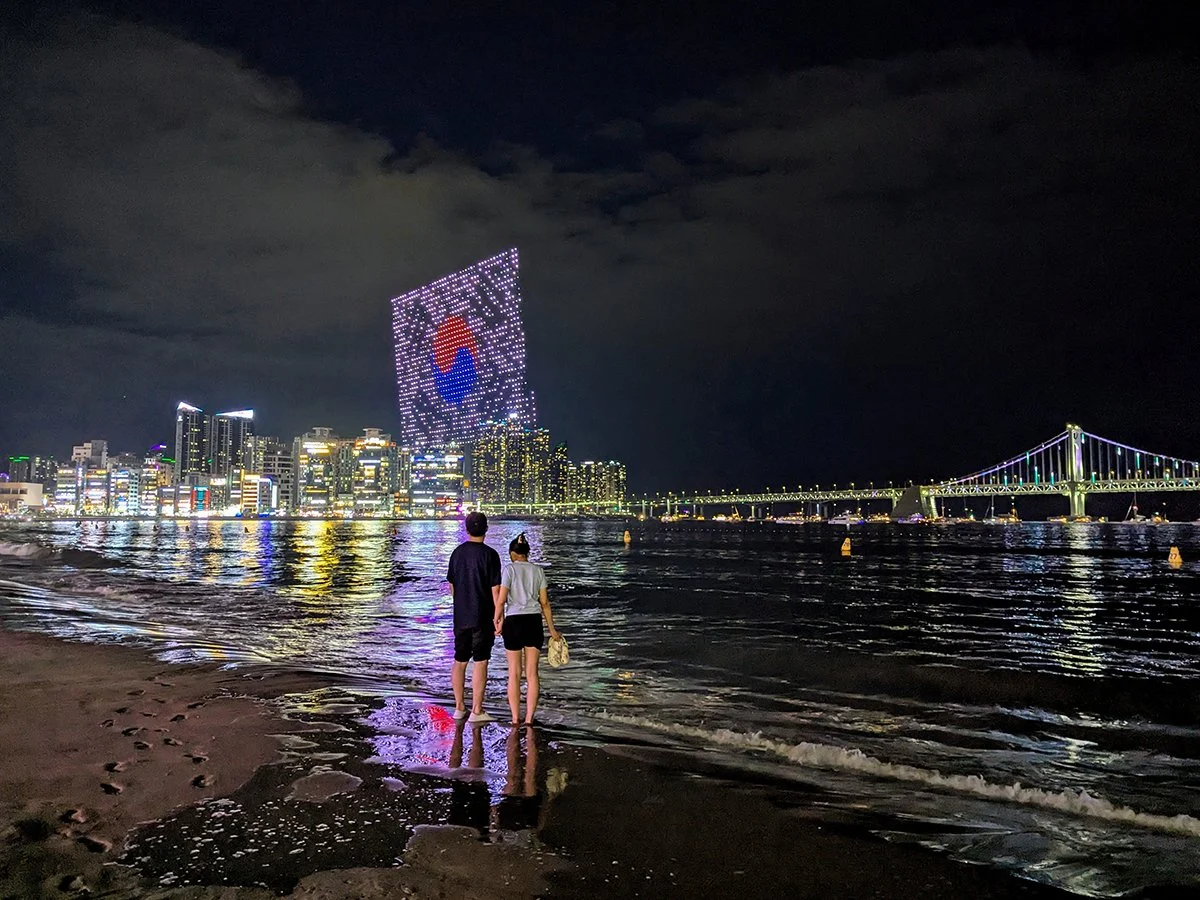
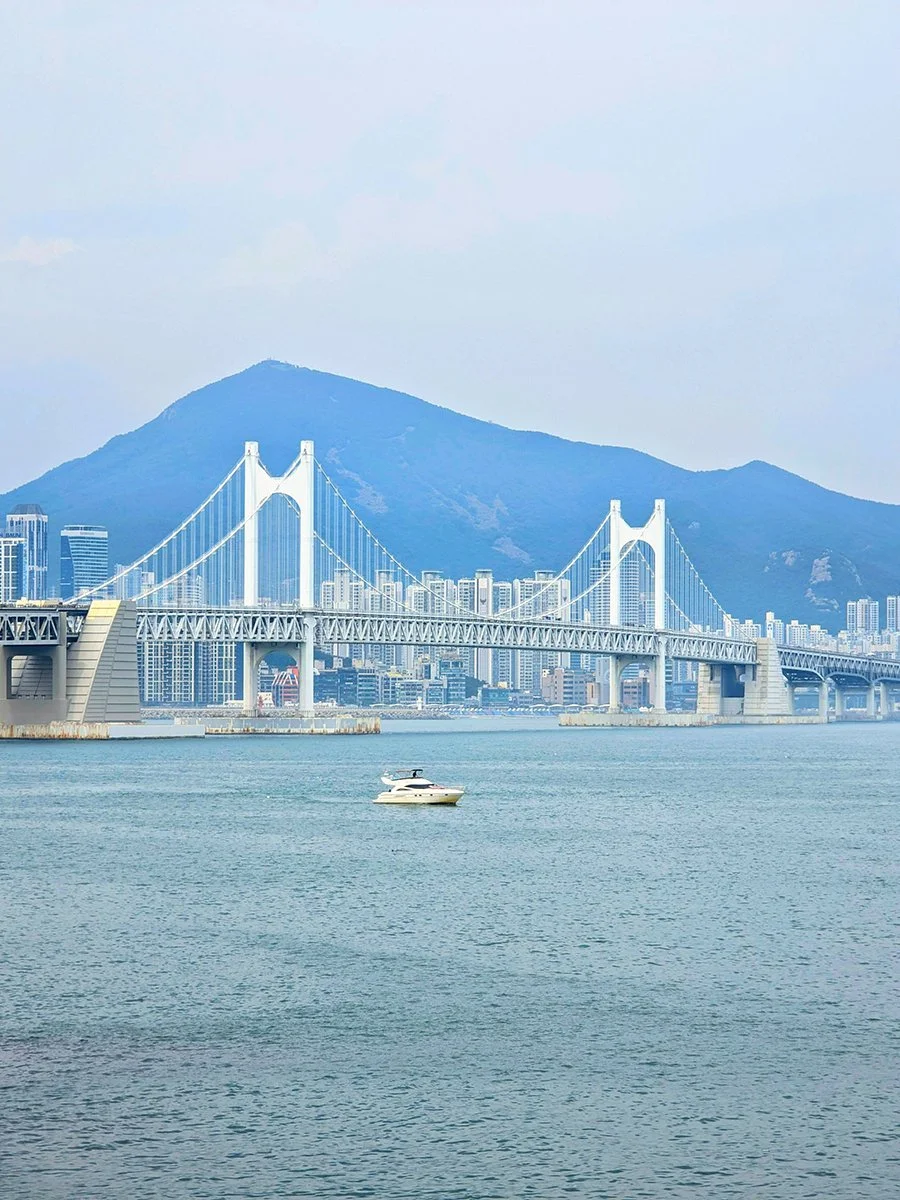
Cover photo: Posing at Gwangalli Beach, with Gwangan Bridge in the distance, Busan, South Korea (2025).
Intro to Busan
Busan — also rendered Pusan or Fusan — is South Korea’s main port and the nation’s second-largest city. Stretching across the peninsula’s southern coast, this seaside metropolis offers scenic trails, fresh seafood, and a relaxed atmosphere. It’s a perfect destination for a coastal escape.
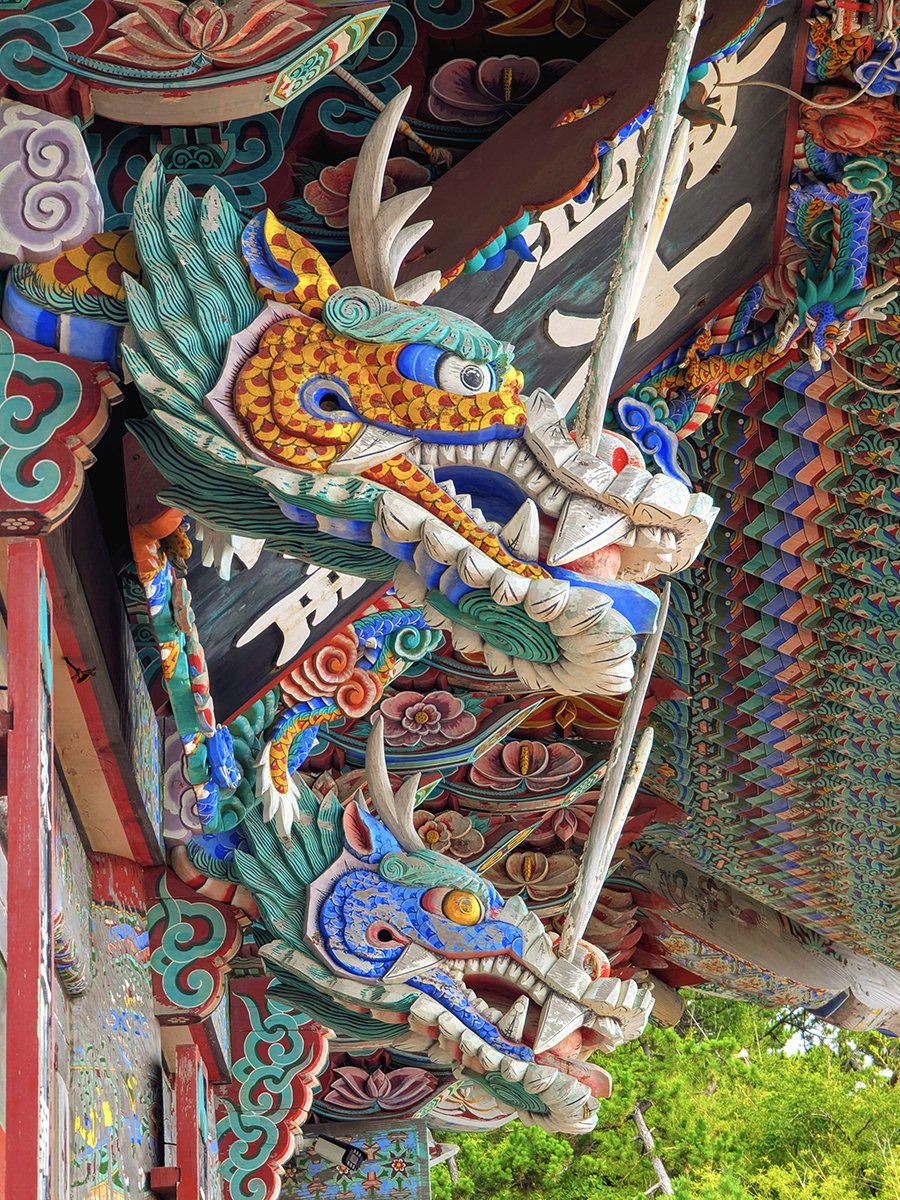
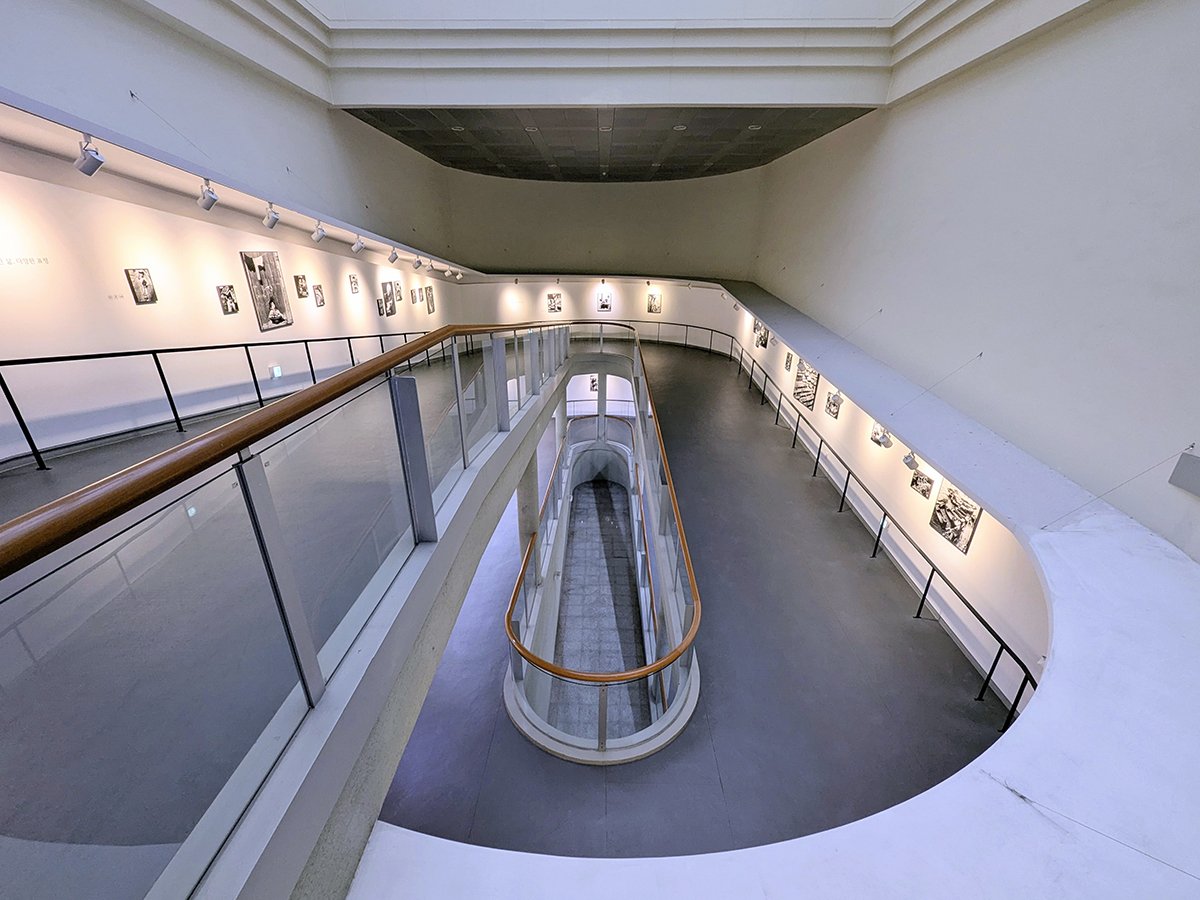
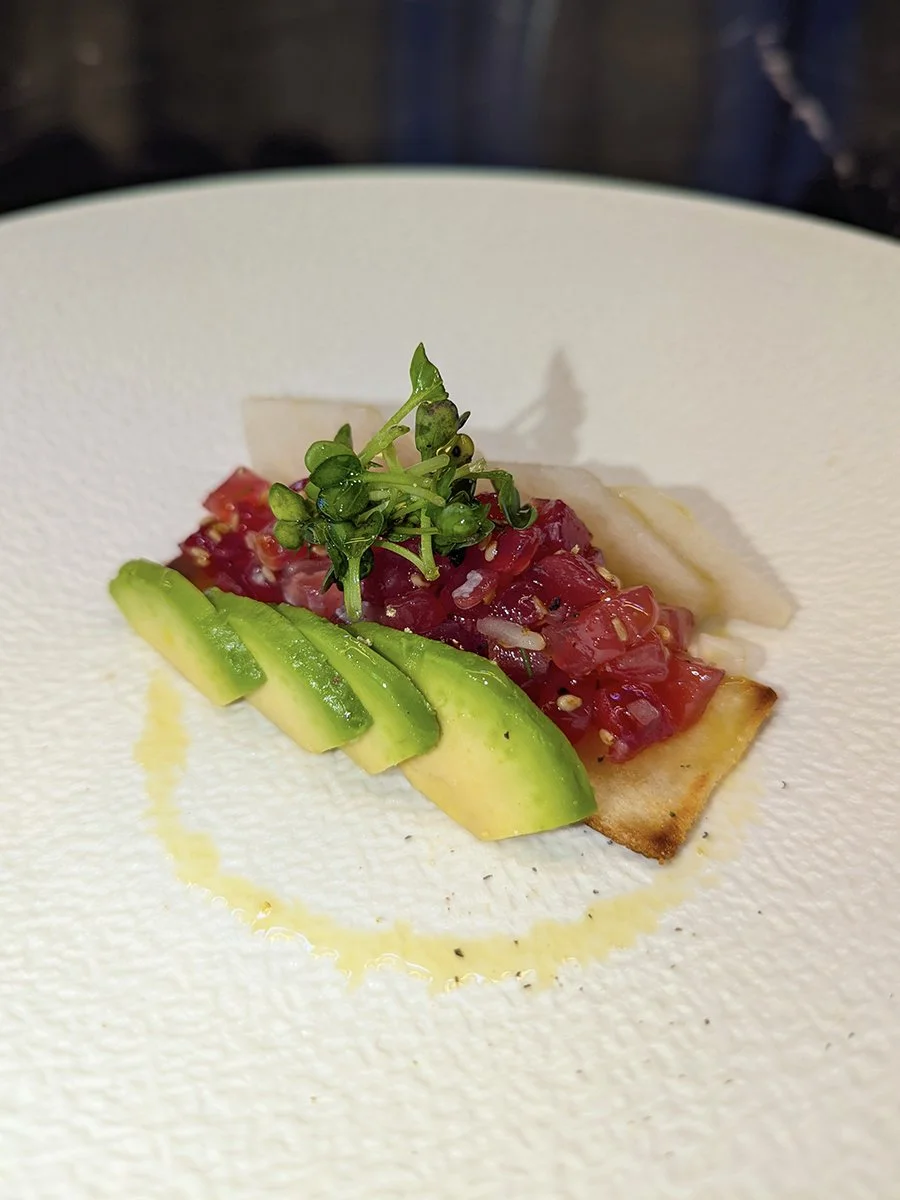
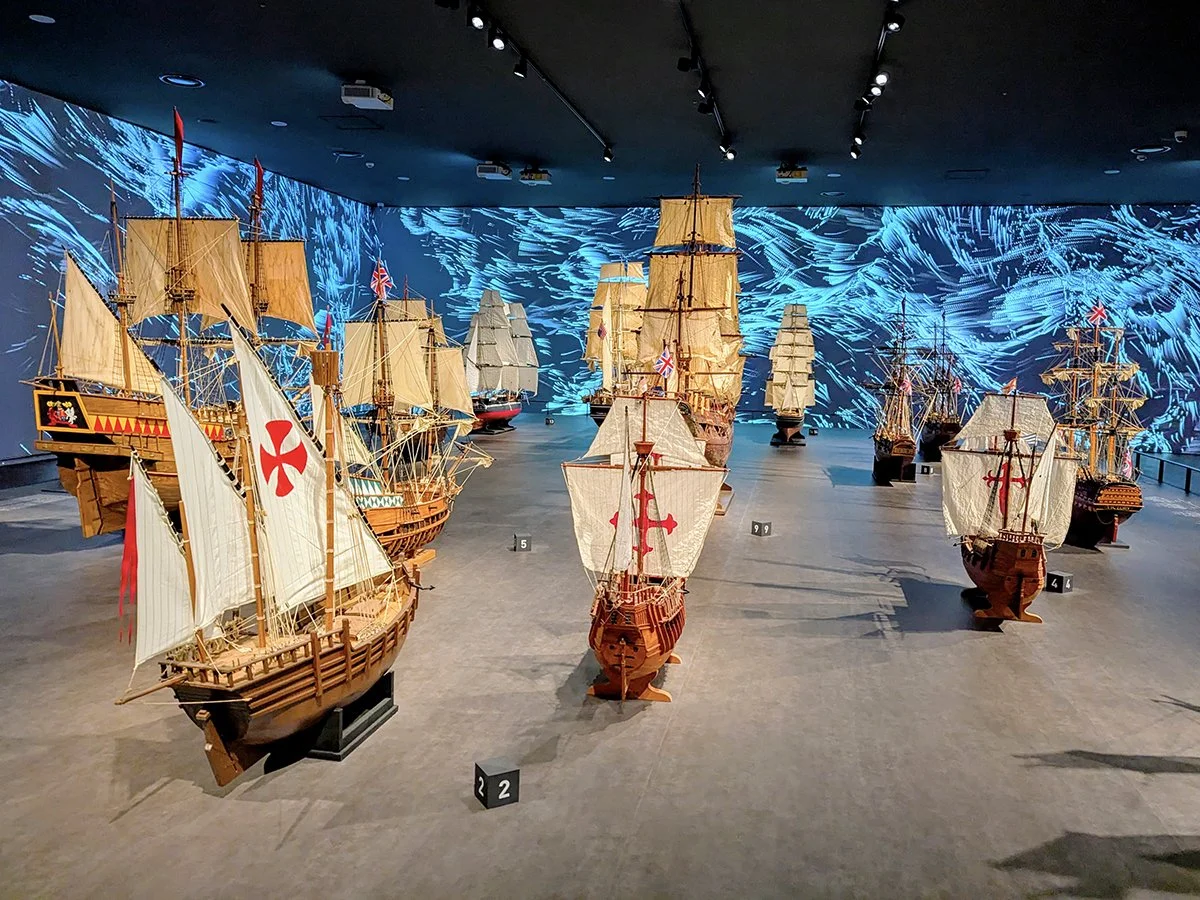
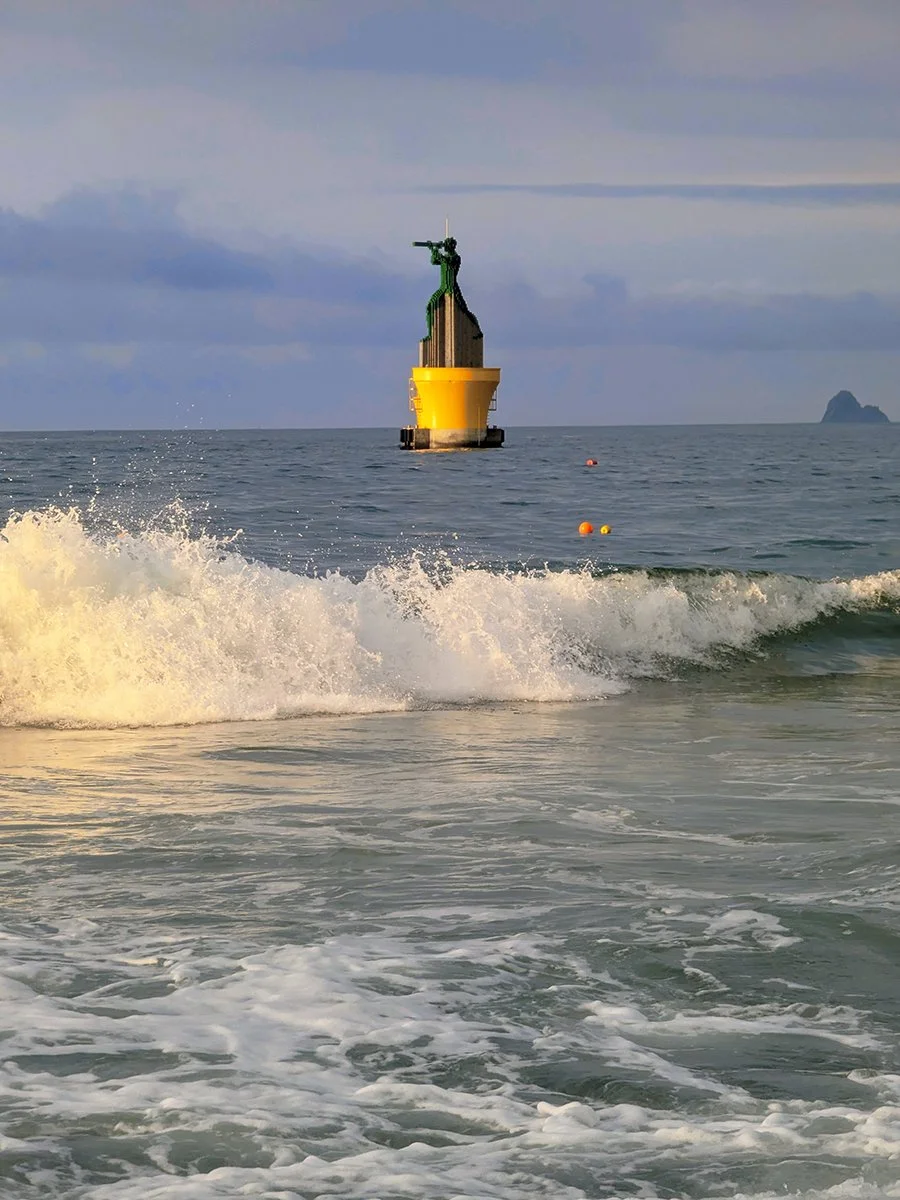
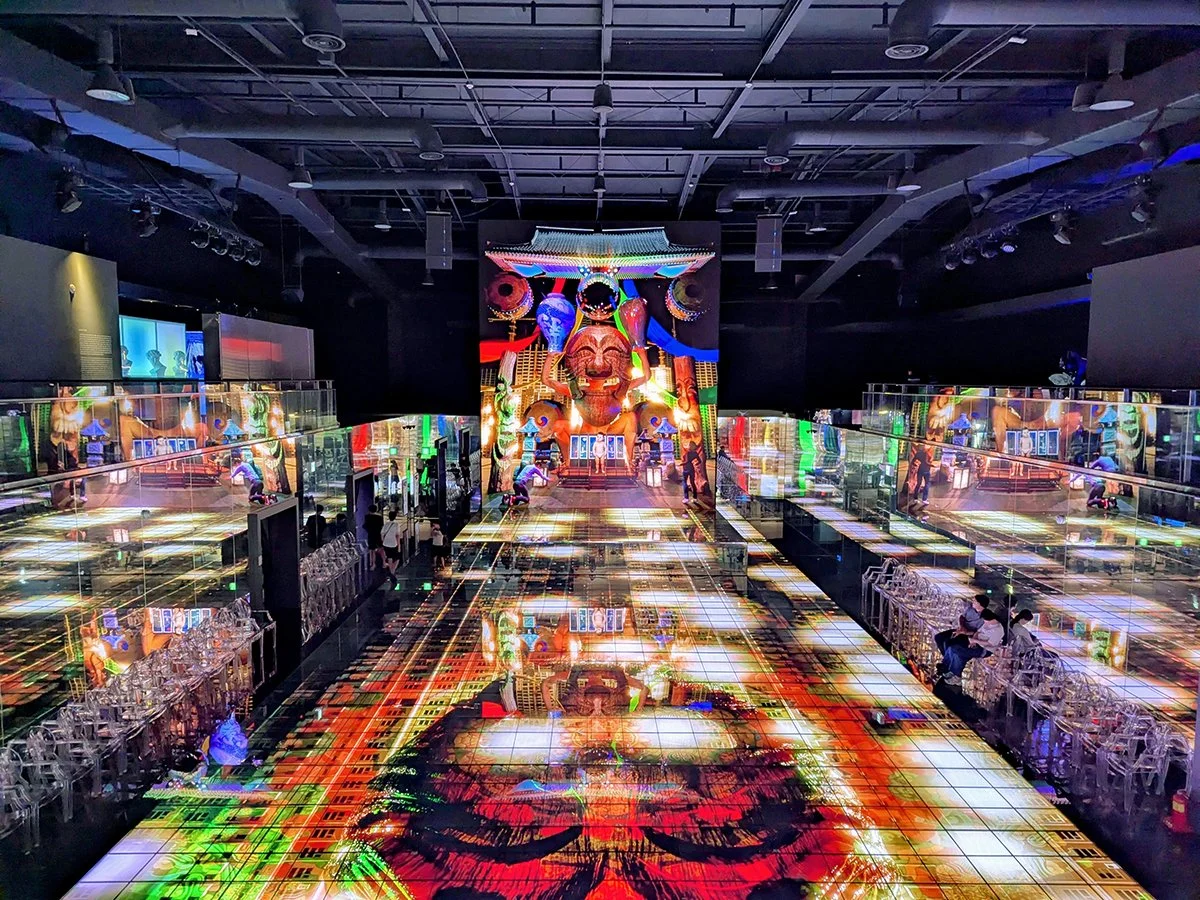
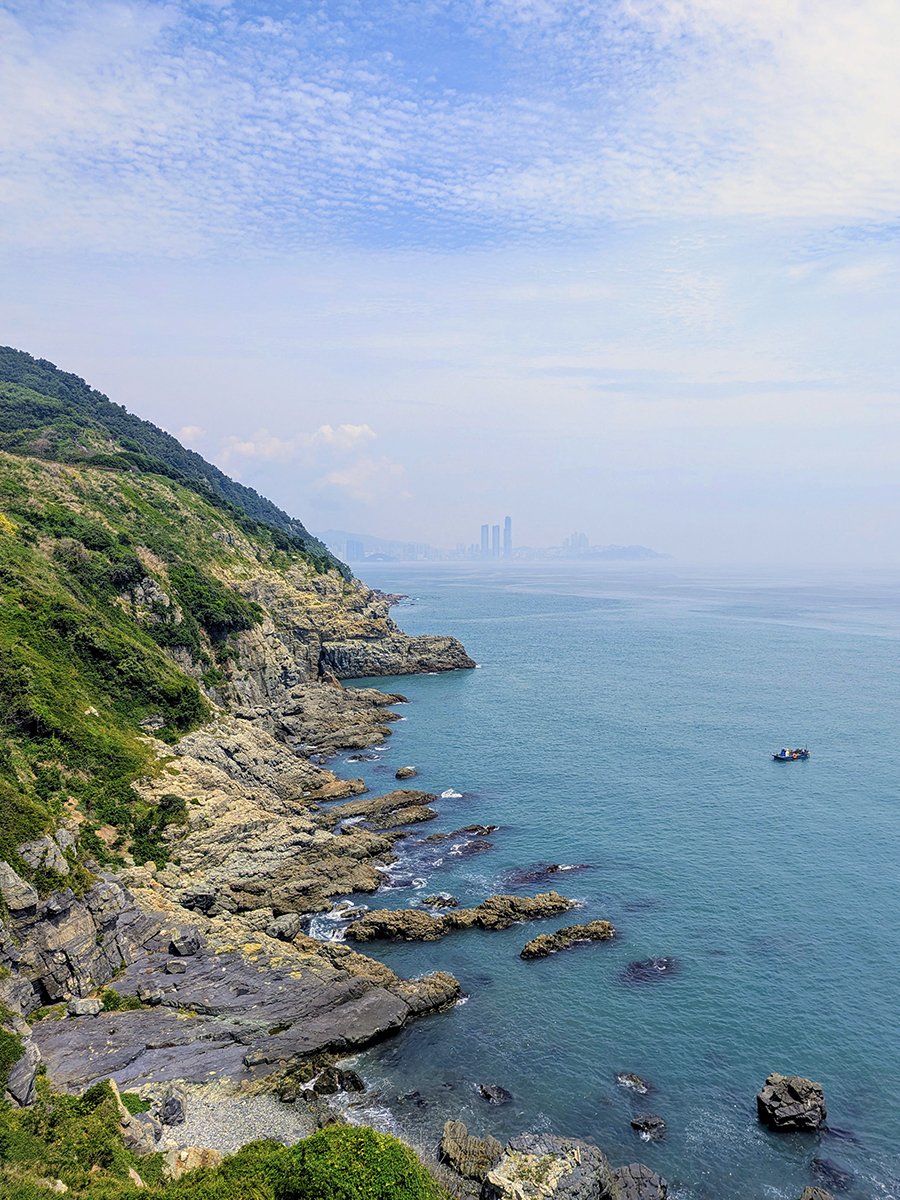
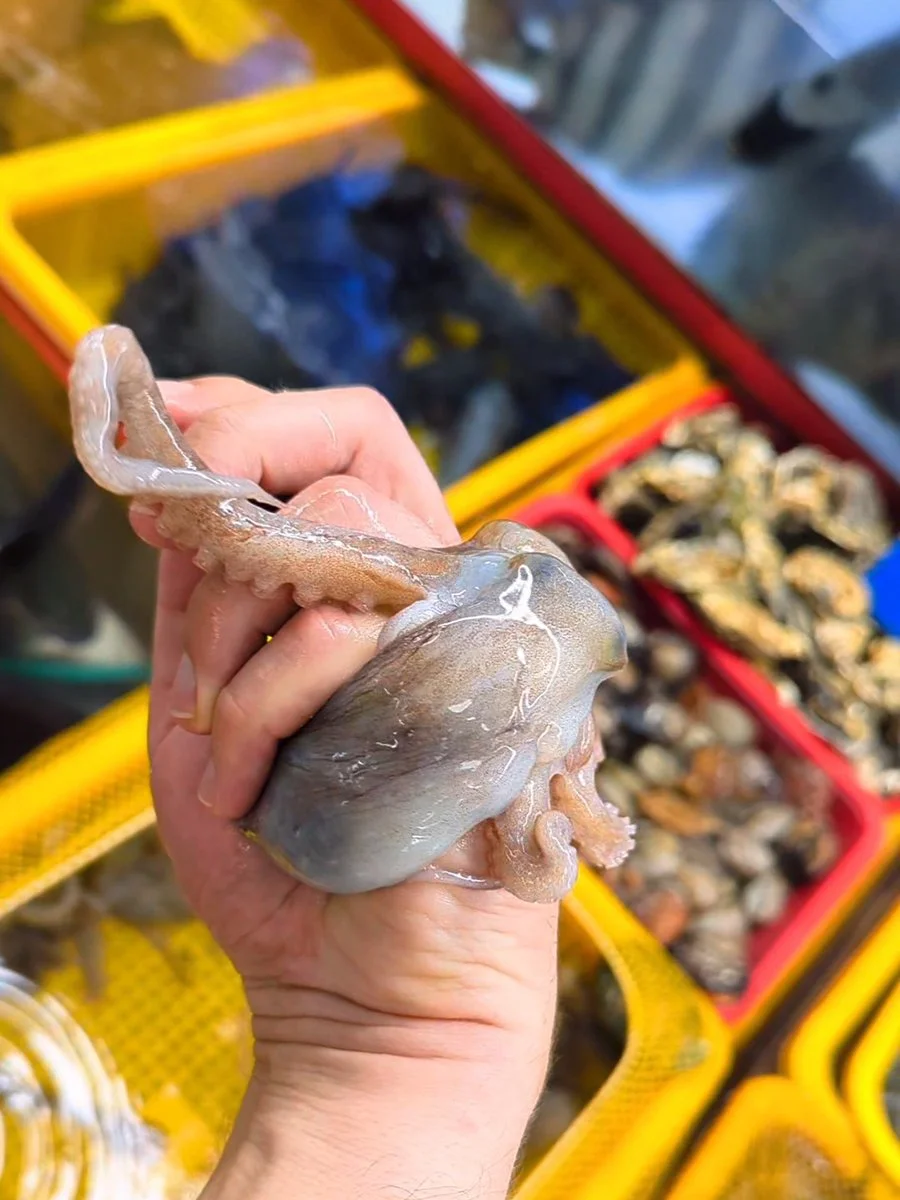

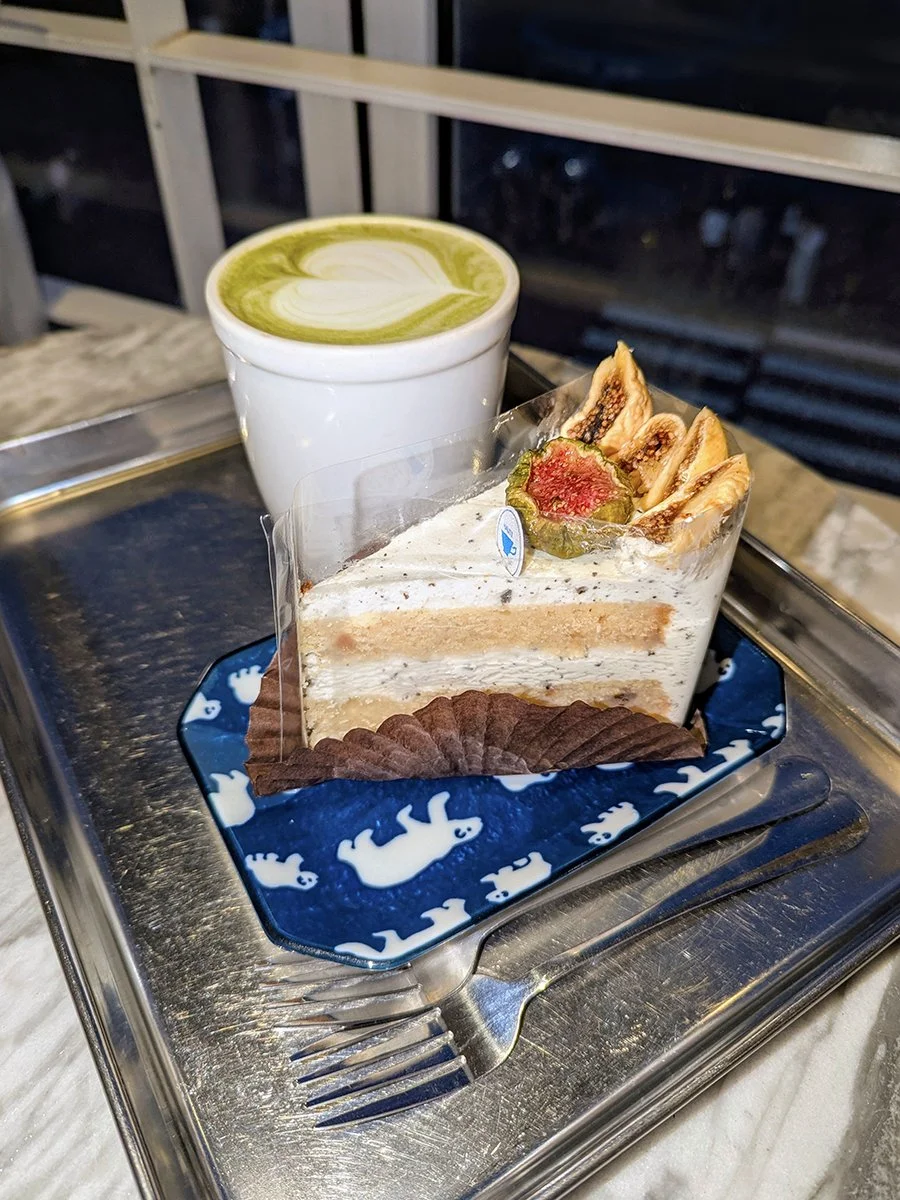
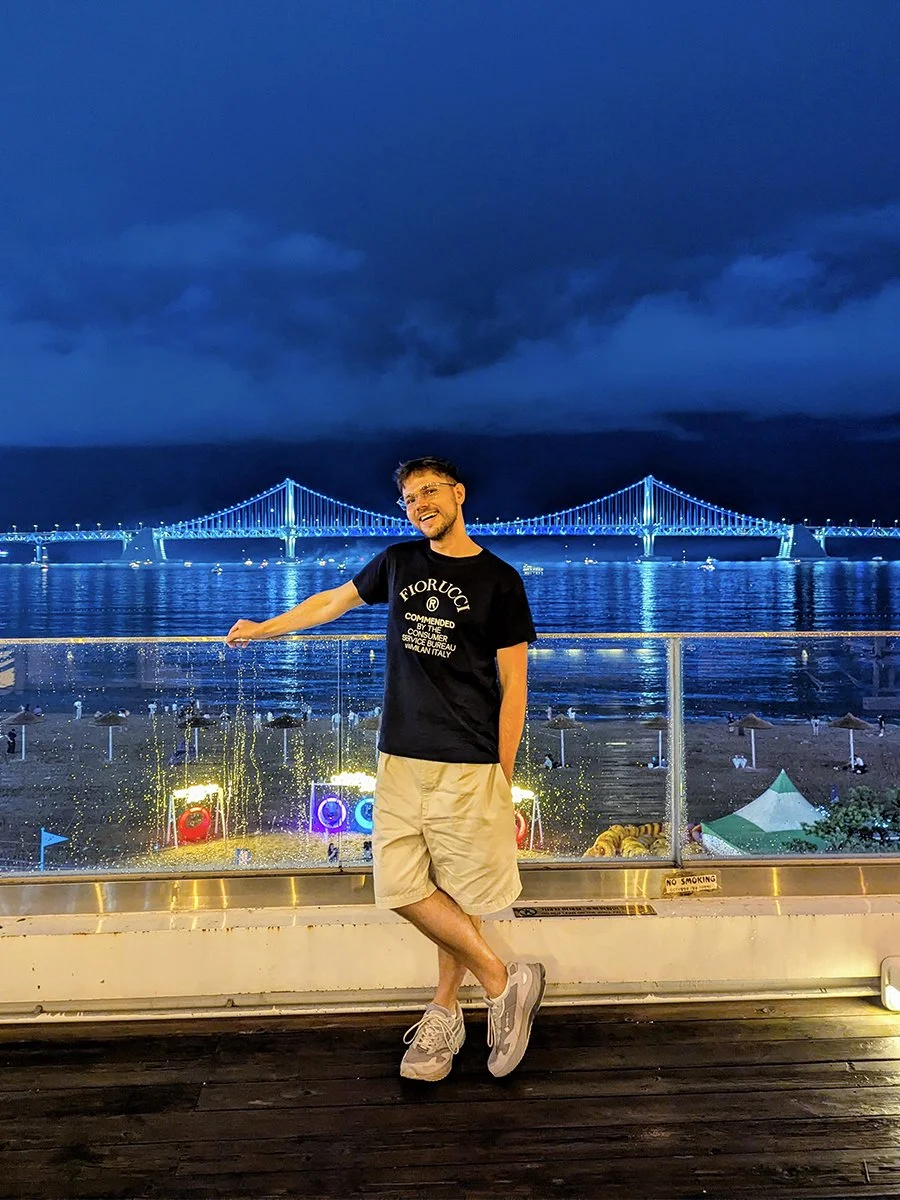
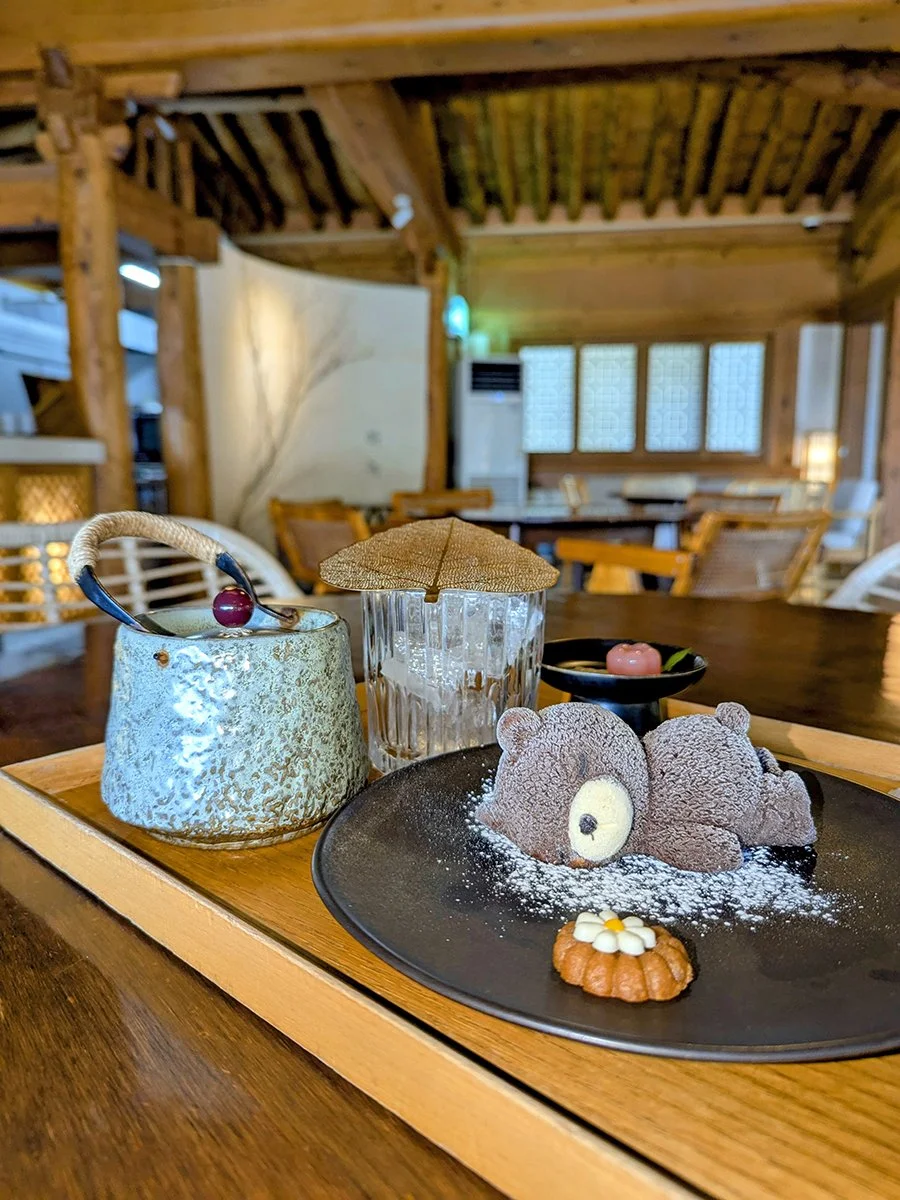
Click on an image for more details.
Busan Experience
Last August, I spent a full week exploring Busan! To be honest, I knew little about the destination beforehand. My only association was the 2016 zombie film Train to Busan. But after a wonderful time in Seoul in 2023, I decided South Korea’s second city was next on my list.
I arrived hoping for a sunny beach retreat, but was surprised by the rainy weather and cold water. Most swimmers wore wetsuits! Fortunately, I caught the spectacular Gwangalli drone show, which lights up the sky every Saturday, weather permitting.
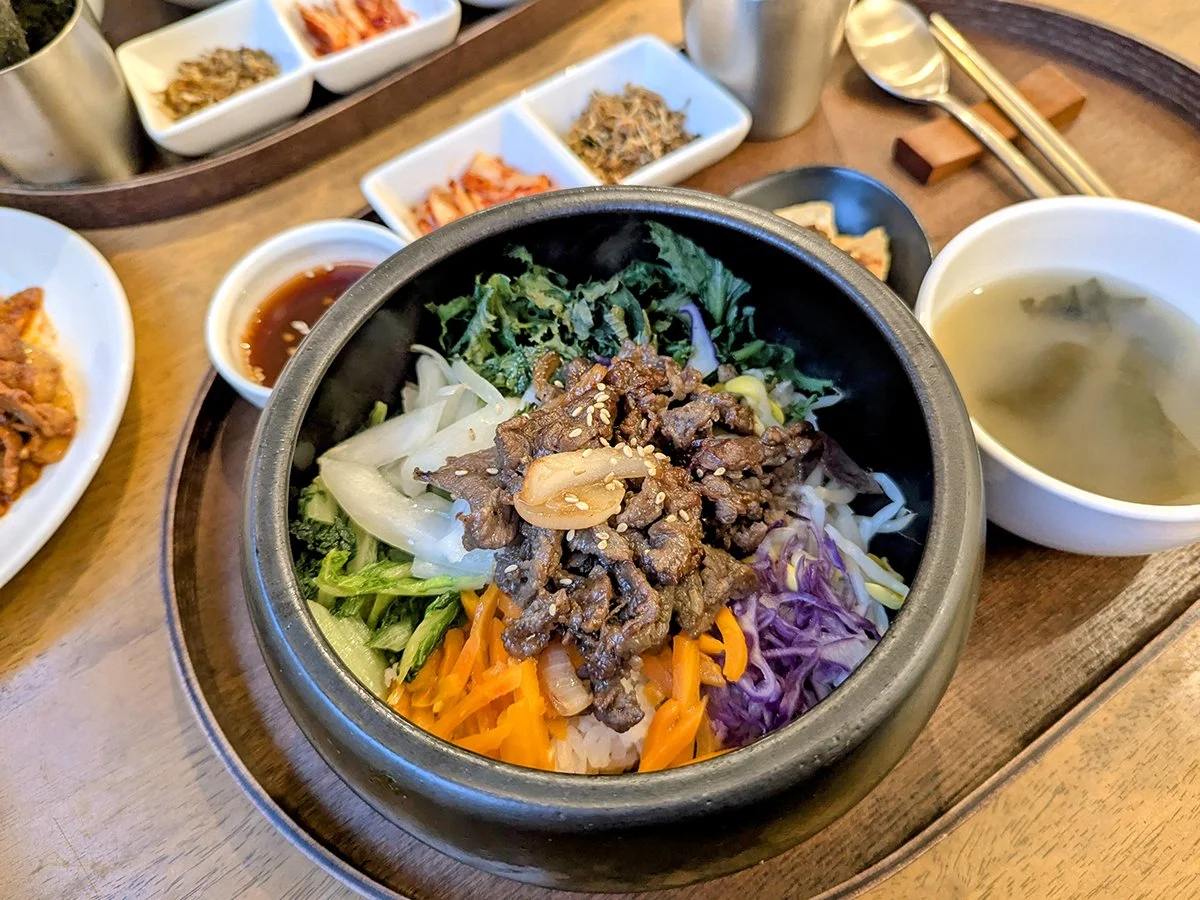
Initial shock aside, I had a wonderful time. Busan’s top feature is the culinary scene, which I found superior to Seoul. In general, I enjoy second cities more than national capitals, and Busan was no exception. The coastal landscape and relaxed atmosphere make for a refreshing getaway.
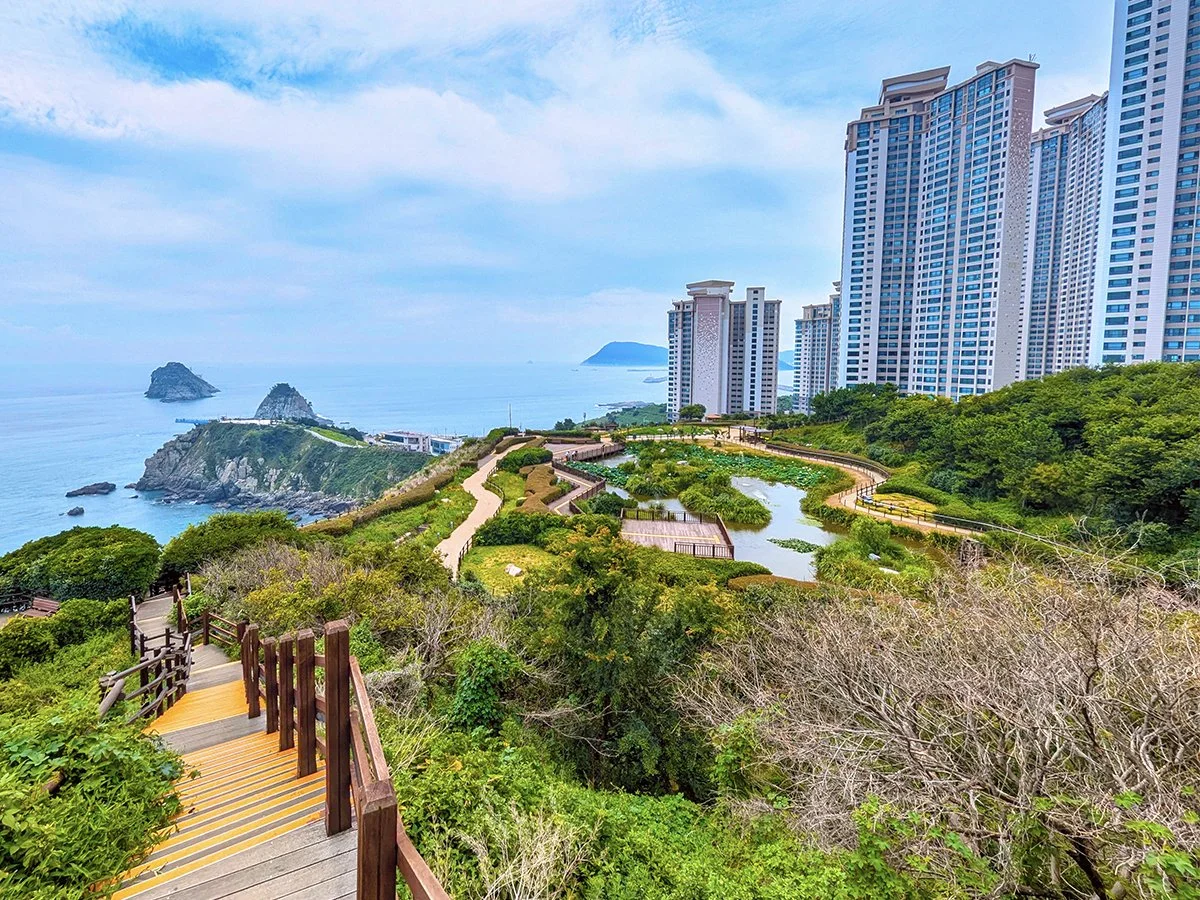
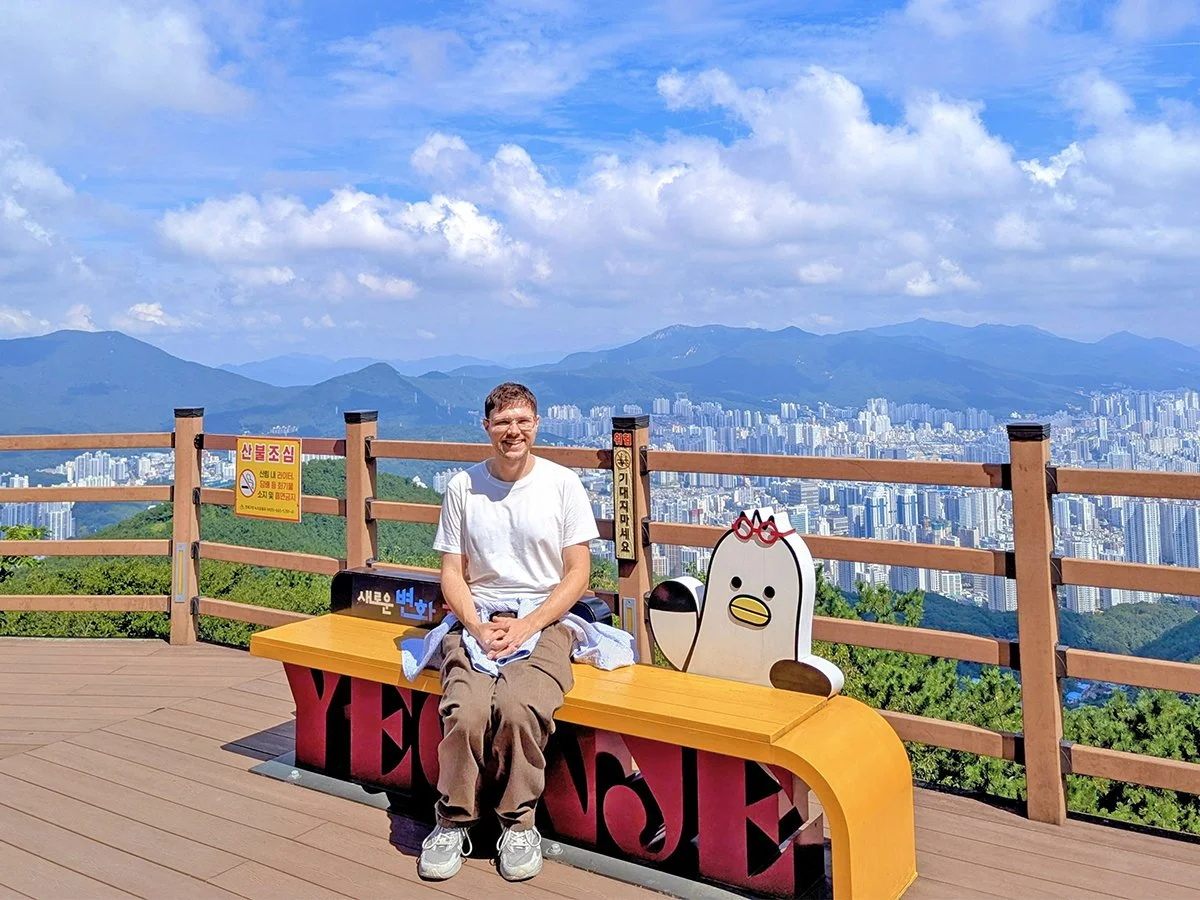
Highlights include seaside Haedong Yonggungsa Temple, the sprawling National Maritime Museum, and Spa Land Centum City. I enjoyed a full-body scrub! I also took a spontaneous hike through the Igidae Coastal Trail. The two-hour trek was such a joy.
Ultimately, I recommend Busan for travelers interested in Korean history, hiking, and incredible seafood. Two days is enough for many highlights, but I recommend three or four for a leisurely pace.
Busan History
Developed as a fishing village, Busan dates back to the ancient kingdoms of Geochilsan-guk (거칠산국) and Geumgwan Gaya (금관가야). The area later became known as Pusanpo (부산포) or “Tea Kettle Mountain Harbor” in reference to the shape of Hwangnyeongsan (Mt. Hwangnyeong).
Following the unification of the peninsula under Silla (668-935), Busan grew in importance. By the Joseon Dynasty (1392-1910), it had become a vital site of trade and diplomacy. Busan’s international port opened in 1876, marking the start of modern development.
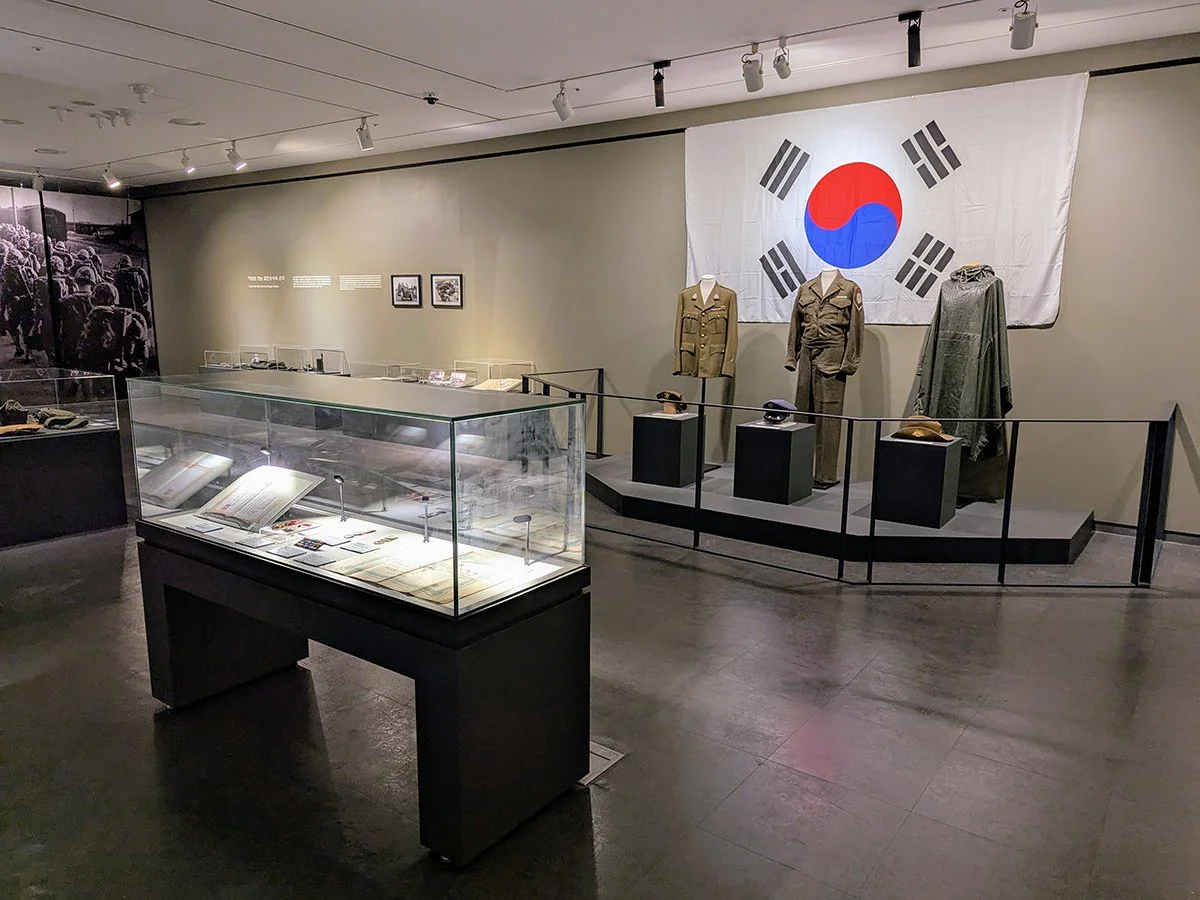
Imperial Japan occupied Korea from 1910 until the end of World War II in 1945, after which the country was divided by the United States and Soviet Union (now Russia), leading to the Korean War (1950-53). During North Korea’s invasion, Busan served as South Korea’s provisional capital, mobilizing United Nations Forces in one of the largest conflicts of the Cold War.
In 1979, the city saw mass protests in the Busan-Masan Democratic Uprising, a pivotal moment in the country’s path to democratization. Since then, the city has launched the annual Busan International Film Festival in 1996 and co-hosted the 2002 FIFA World Cup, becoming a global cultural center.
Busan Food
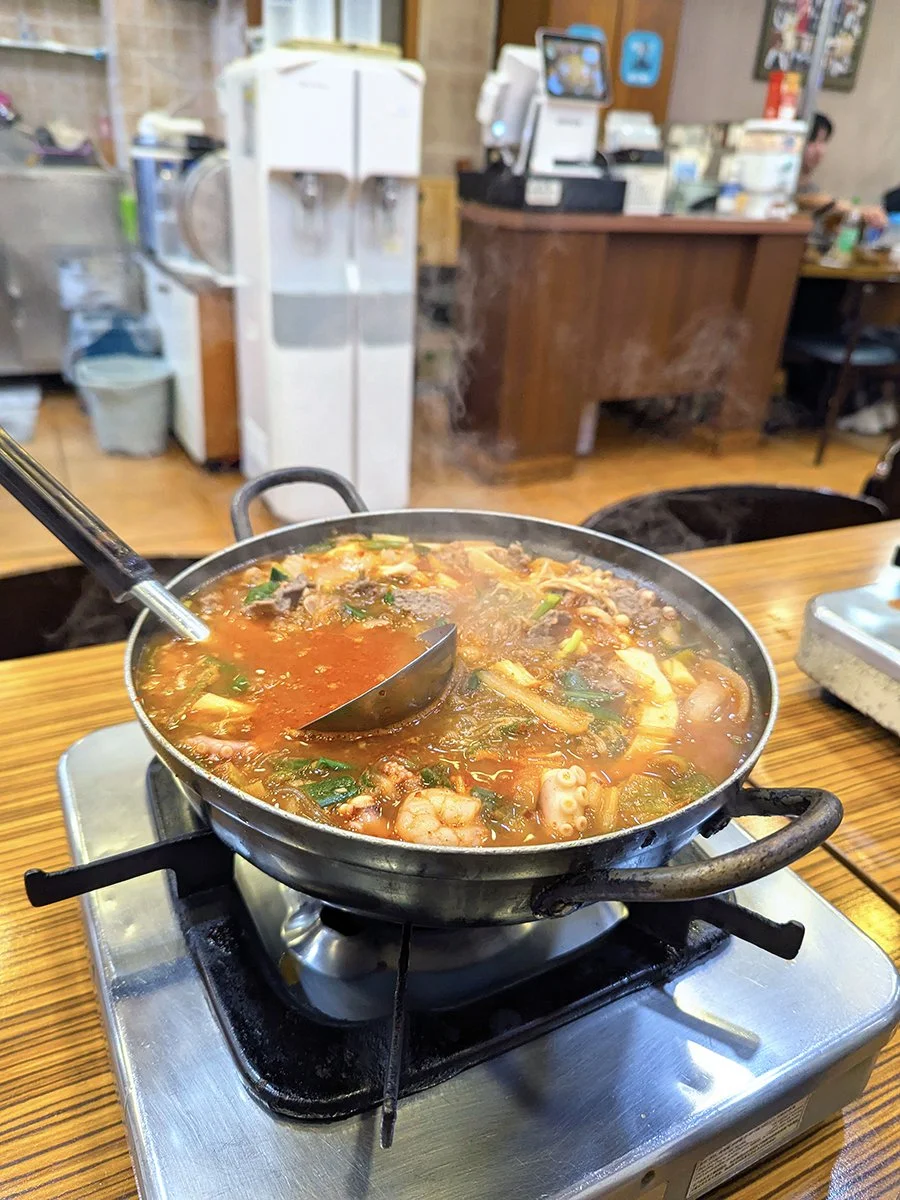
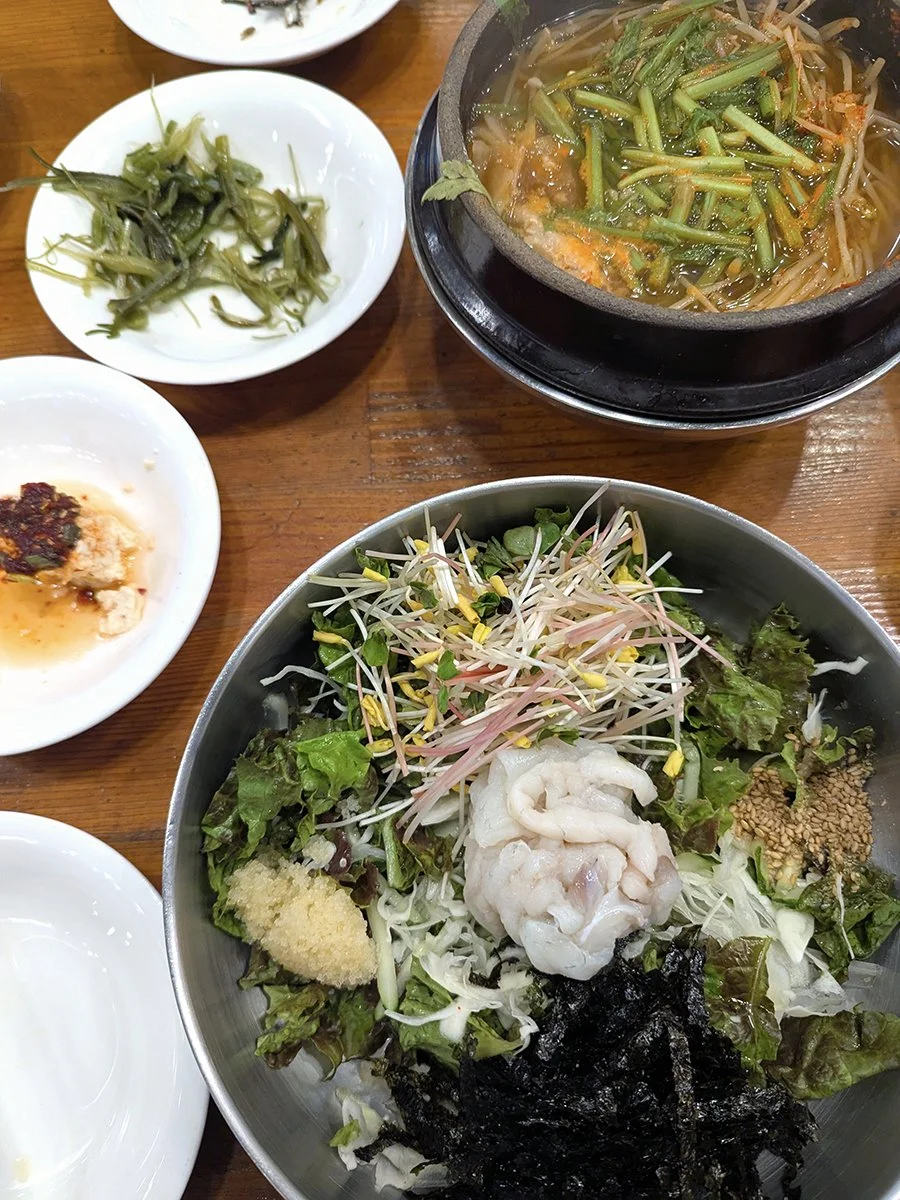
Home to South Korea’s largest seafood market, Jagalchi Fish Market, Busan is a paradise of Korean cuisine, rich with resource and tradition. The city features over 40 spots recommended by Michelin Guide, including 50-year-old pufferfish (fugu) institution Geumsubokguk (금수복국 본점) in Haeundae.
Every dish I had in Busan was fantastic. I recommend seafood barbeque shop Jogaedaegyo Seomyeon Jeonpo (조개대교 서면 전포점) for wonderful service and octopus-specialty restaurant Gaemi-jip Seomyeon (개미집 서면1번가직영점) for perfect texture and taste. Note: many restaurants feature dishes meant for sharing. Solo-diners should confirm portion sizes before ordering.
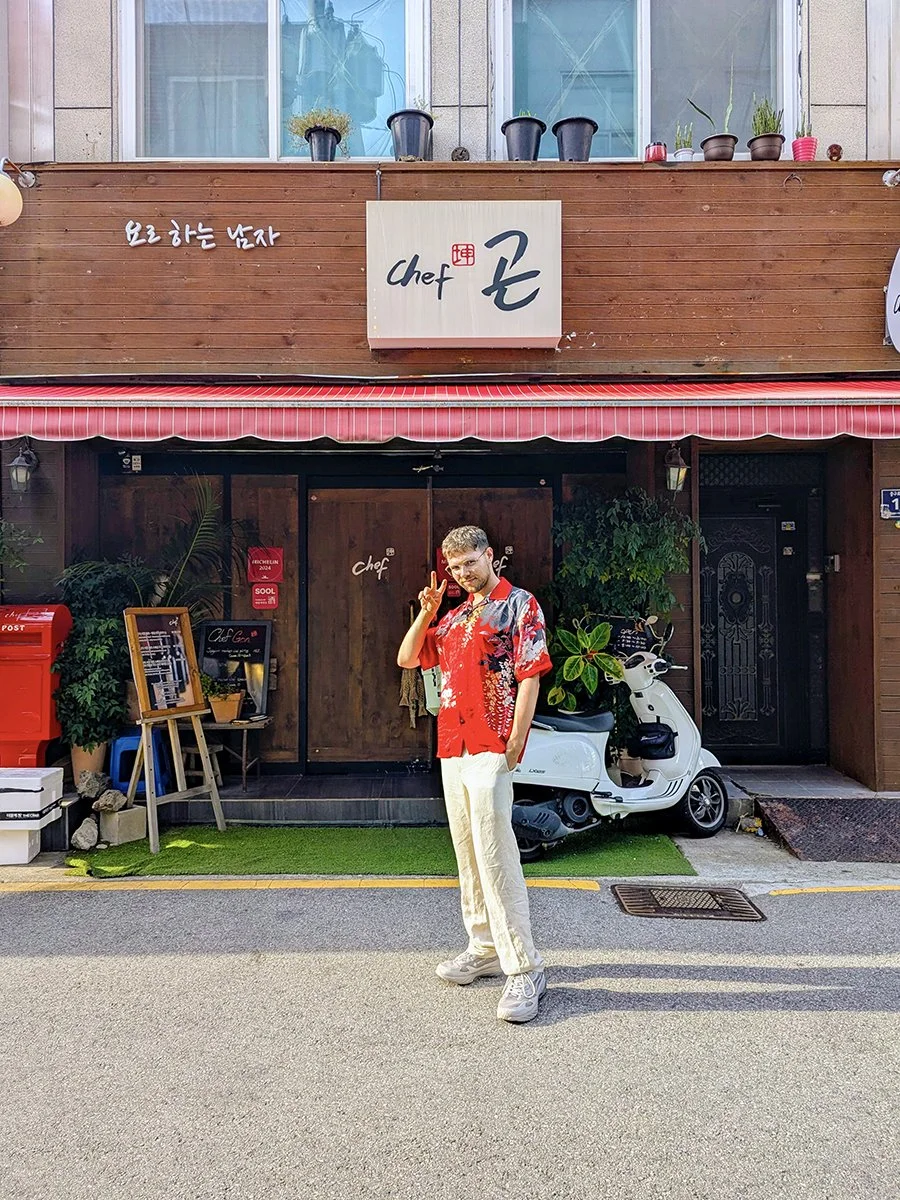
Above all, I recommend dinner at Chef Gon (쉐프 곤), a contemporary fine dining restaurant led by Michelin-starred chef Shin Young-Gon (신영곤). Featuring the best ingredients from Jagalchi Fish Market, every dish is beautiful, inventive, and delicious. The sublime ten-dish omakase dinner starts at 135,000 won (about 92 USD) per person. Reservations required.
Best Cafes in Busan
Cafe hopping is a popular pastime in Korea, including Busan. Every spot features a unique menu and stylish interior. My favorites are Cafe Haute overlooking Gwangalli Beach, OFF COURSE Bakery Cafe featuring a huge pastry selection, SORRY NOT SORRY BAKESHOP offering Marlenka honey cakes, and Ha:nok occupying a beautiful traditional building. Honorable mention: coastal THRILL ON THE MUG! is especially popular for sunset, though I didn’t visit.
Busan Haedong Yonggungsa Temple
Busan’s top sight is the stunning Haedong Yonggungsa Temple (해동 용궁사), a rare seaside Buddhist temple dedicated to Gwanseum-bosal (관세음보살), the Bodhisattva of Compassion. Founded in 1376, the temple was destroyed during the Japanese invasions of the 16th century and rebuilt in the 1930s.
After passing through the bustling entrance lined with food stalls and souvenir vendors, visitors can freely explore the temple grounds and nearby coastal paths. The ocean views are spectacular. The main prayer hall welcomes visitors, though photography is not permitted inside. There’s also a small shop of Buddhist items and seaside Aden Cafe.
The temple is easiest to reach by taxi. Arriving by sunrise provides the best lighting and helps beat the crowds, especially on weekends and holidays. About one hour is enough to enjoy the site. I recommend pairing a visit with nearby cafe Ha:nok.
Busan Art & Museums
If you visit just one museum in Busan, make it the free National Maritime Museum. It offers a comprehensive view of Korea’s seafaring history, marine biology, and oceanic culture. Opened in 2012, it’s one of the largest maritime museums in Asia! Exhibits are superb and English guidance is excellent.
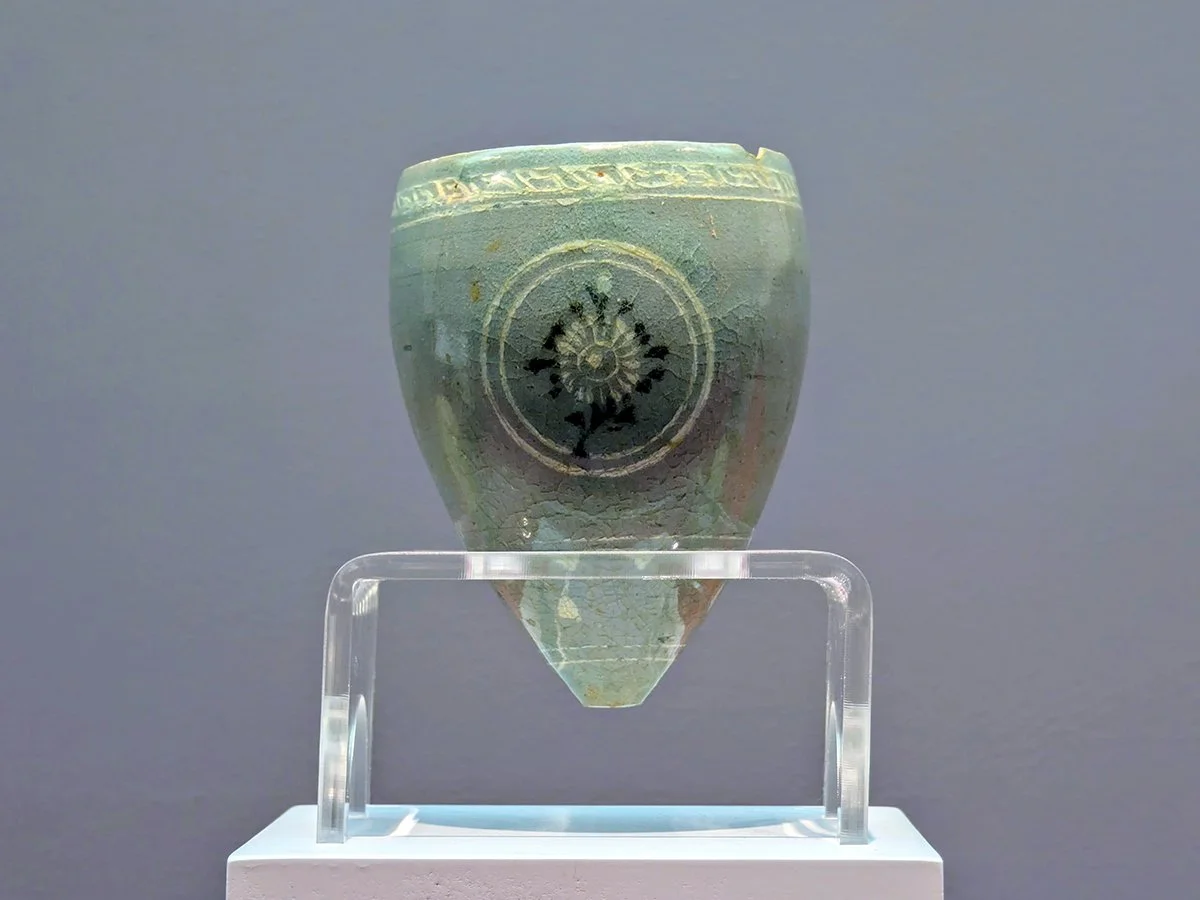
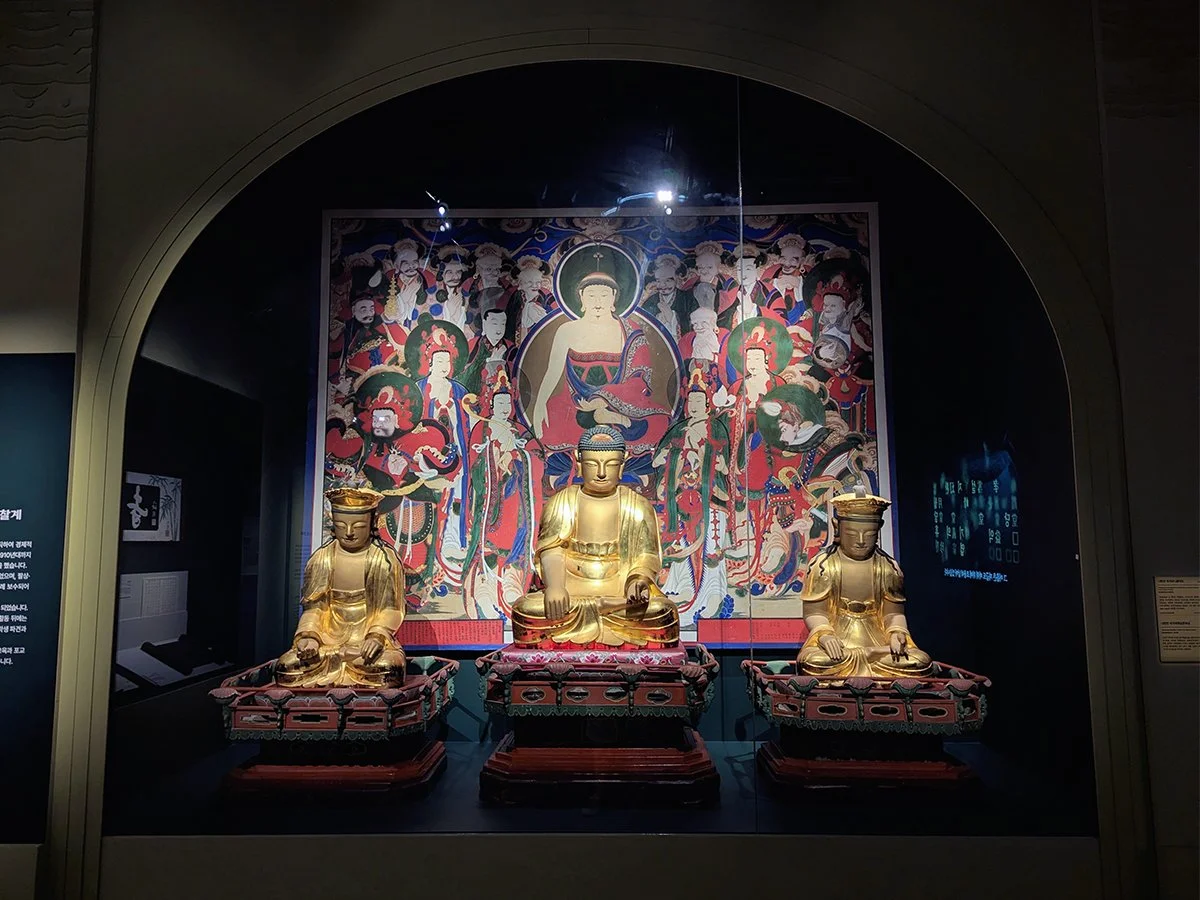
Busan’s art scene is small in comparison to capital Seoul but it offers many highlights. I especially enjoyed viewing ancient artifacts at the Busan Museum, video installations at MUSEUM 1, and a contemporary show at Shinsegae Galley, Centum City. I recommend checking ahead for current exhibitions.
Busan Shopping & Souvenirs
Travelers can find many of Korea’s most popular brands in Busan, including Artbox (stationary), Gentle Monster (glasses), HBAF (flavored almonds), Kakao Friends (character merchandise), Musinsa (clothing basics), Thisisneverthat (street fashion) and Olive Young (cosmetics).
Most notably, Busan is home to Shinsegae Centum City, certified by Guinness World Records as the world’s largest department store. The complex includes a food center, golf range, ice rink, art space, movie theater, and spa resorts. Tax refunds are available for foreign tourists spending over 15,000 won (about 10 USD); don’t forget your passport.
Busan Transportation & Where to Stay
Busan is easy to reach from Seoul via KTX train — about a 2.5 hour journey. It’s also served by Gimhae International Airport (PUS). Nestled between the sea and mountains, the city is spread far across the coastline. I recommend staying at central Seomyeon for convenience or around one of the beaches. Gwangalli is more lively while Haeundae offers a quieter atmosphere. If interested, please check to have your room cleaned daily, as it’s an unpopular practice in Korea.
Kakao or Naver apps are required for navigation. The metro and bus system is well-developed and easy to use, but sometimes insufficient on city periphery. I often relied on taxis, which are thankfully affordable. The new app K.ride offers convenient ride-hailing; while the interface is in English, it’s best to copy and paste your destination in Korean.
Busan Weather & Events
Busan is best in spring or fall, although the Haeundae Sand Festival is especially famous. A full list of events follows.
Jeongwol Daeboreum Fire Festival (February)
Cherry blossom season (March/April)
Gwangalli Eobang Festival (April)
Lotus Lantern Festival (April/May)
Haeundae Sand Festival (May)
Busan Port Festival (May)
Busan One Asia Festival (June)
Busan Rock Festival (July/August)
Swim season (July/August)
Busan Sea Festival (August)
Busan International Film Festival (October)
Busan Fireworks Festival (October/November)
Fall leaves (October/November)
Haeundae Lighting Festival (December-February)
Busan Gay Travel & Nightlife
Despite its progressive appearance, South Korea is among the most homophobic countries in Asia. For queer acceptance, it ranks 75th out of 175 nations around the world. Same-sex marriage is not recognized. There are few legal protections, with discrimination and bullying rampant. I suggest avoiding public displays of affection. Nationwide, the most popular gay app is Jack’d.
Busan’s gay scene is centered around Beomil-dong. The hottest club is BUSAN DACK, best on Saturday. It fills up quickly after midnight. I also enjoyed a drag show at TightHall. Arrive at least one hour early for a good view.
Busan Top Attractions
Haedong Yonggungsa Temple (seaside Buddhist temple)
Gwangalli Beach (iconic tourist beach with Saturday drone shows)
National Maritime Museum (one of the largest in Asia)
Oryukdo Skywalk & Igidae Coastal Trail (seaside hiking)
Spa Land Centum City (hot spring facility)
Busan Museum (local history and culture)
Jagalchi Fish Market (South Korea’s largest seafood market)
Hwangnyeongsan (landmark mountain)
Shinsegae Centum City (world’s largest department store)
Busan Additional Ideas
By train, South Korea’s capital Seoul is just 2.5 hours away. Fukuoka, Japan, is also nearby, just one hour by plane. Overnight ferries are available too.