A Visit to the Echizen Fukui Art Museum
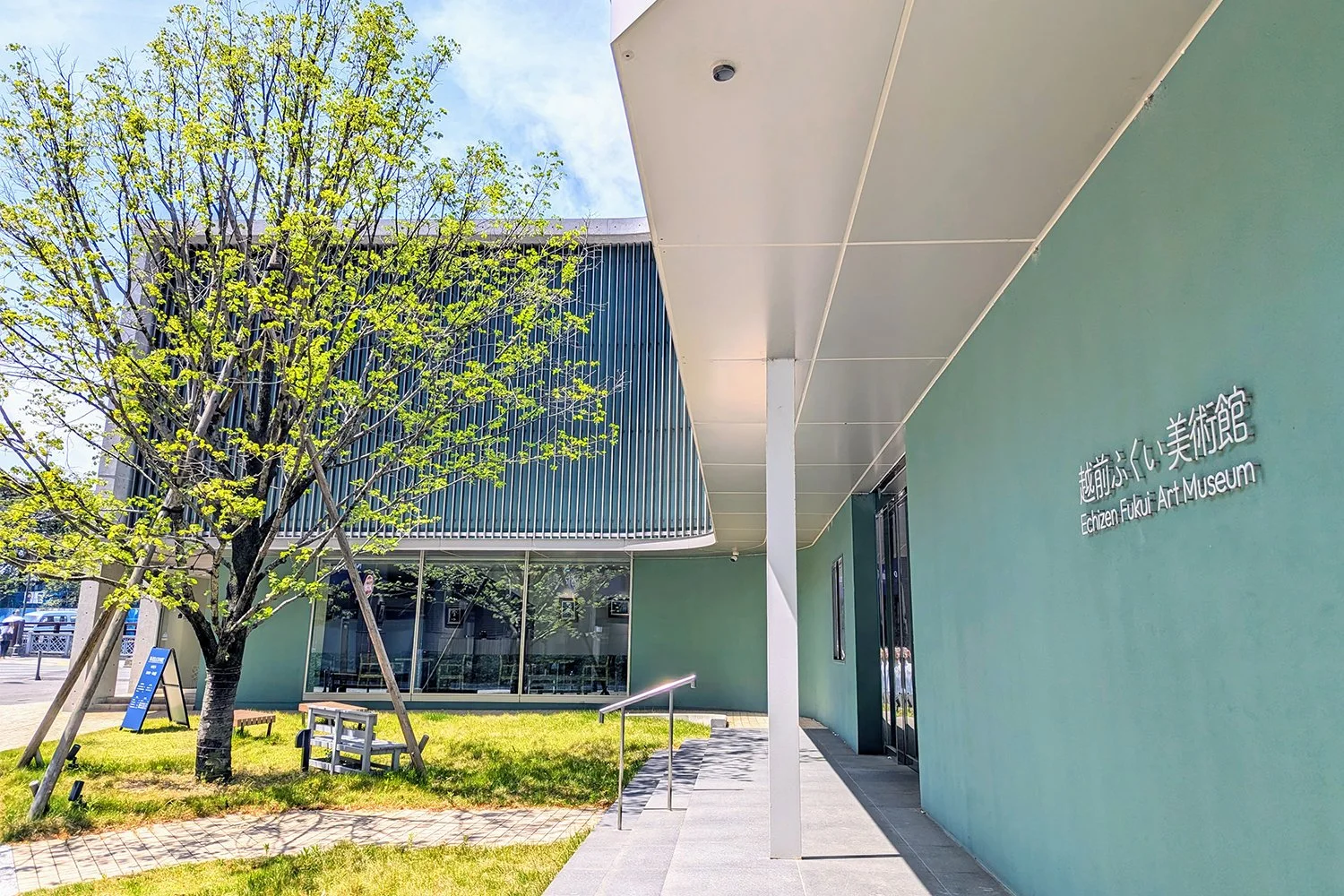
The new museum promotes local Echizen washi paper through the work of celebrated artists.
Cover photo: Entrance to the Echizen Fukui Art Museum (越前ふくい美術館), Fukui City, Fukui Prefecture, Japan (2026). Photo by Danny With Love.
Echizen Fukui Art Museum
Last weekend, I visited the Echizen Fukui Art Museum (越前ふくい美術館) in Fukui City! Opened in the spring of 2024, this new museum stands beside the Fukui Castle Ruins and promotes the traditional craft of Echizen washi paper.
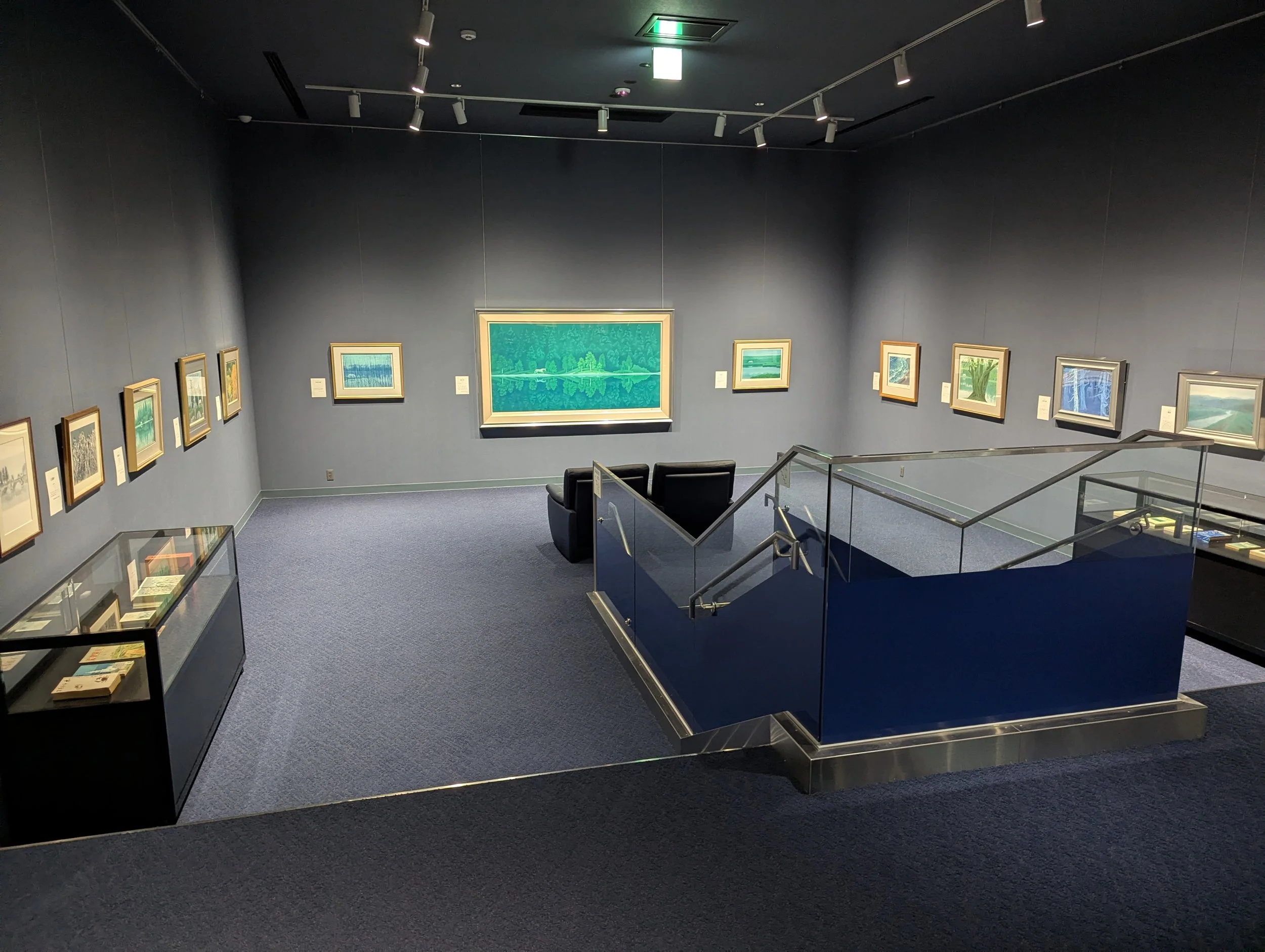
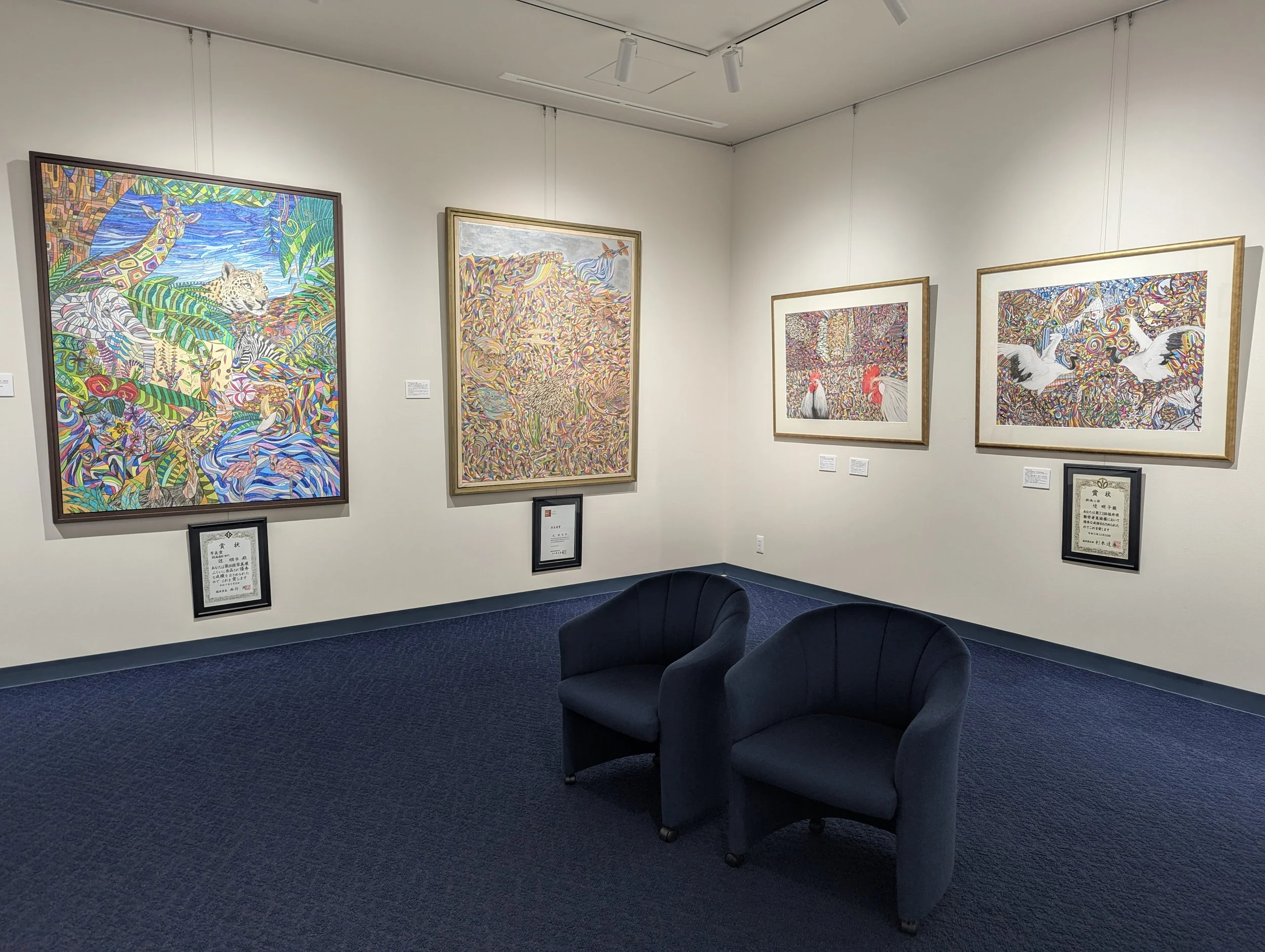
On my visit, I caught a wonderful collection of exhibitions featuring woodblock prints by Katsushika Hokusai (葛飾 北斎), serene landscapes by Kaii Higashiyama (東山 魁夷), and vibrant illustrations by Junko Tsuji (辻順子さん). With stellar rotating exhibits, the Echizen Fukui Art Museum is a must-visit for art lovers passing through Fukui!
Echizen Washi
The Echizen Fukui Art Museum displays works on Echizen washi paper. Echizen washi is widely regarded as one of Japan’s finest crafts, prized for its strength and lustrous texture. It was used to produce some of Japan’s earliest paper currency in 1661 and is said to have been favored by the Dutch painter Rembrandt van Rijn. Around 50 paper mills remain active today. Japanese paper-making techniques were inscribed on UNESCO’s Intangible Cultural Heritage list in 2014, with Echizen torinoko — a paper variety often used for diplomas and fusuma (sliding doors) — specifically added in 2025.
Katsushika Hokusai (葛飾 北斎) — April 28 - Oct. 25
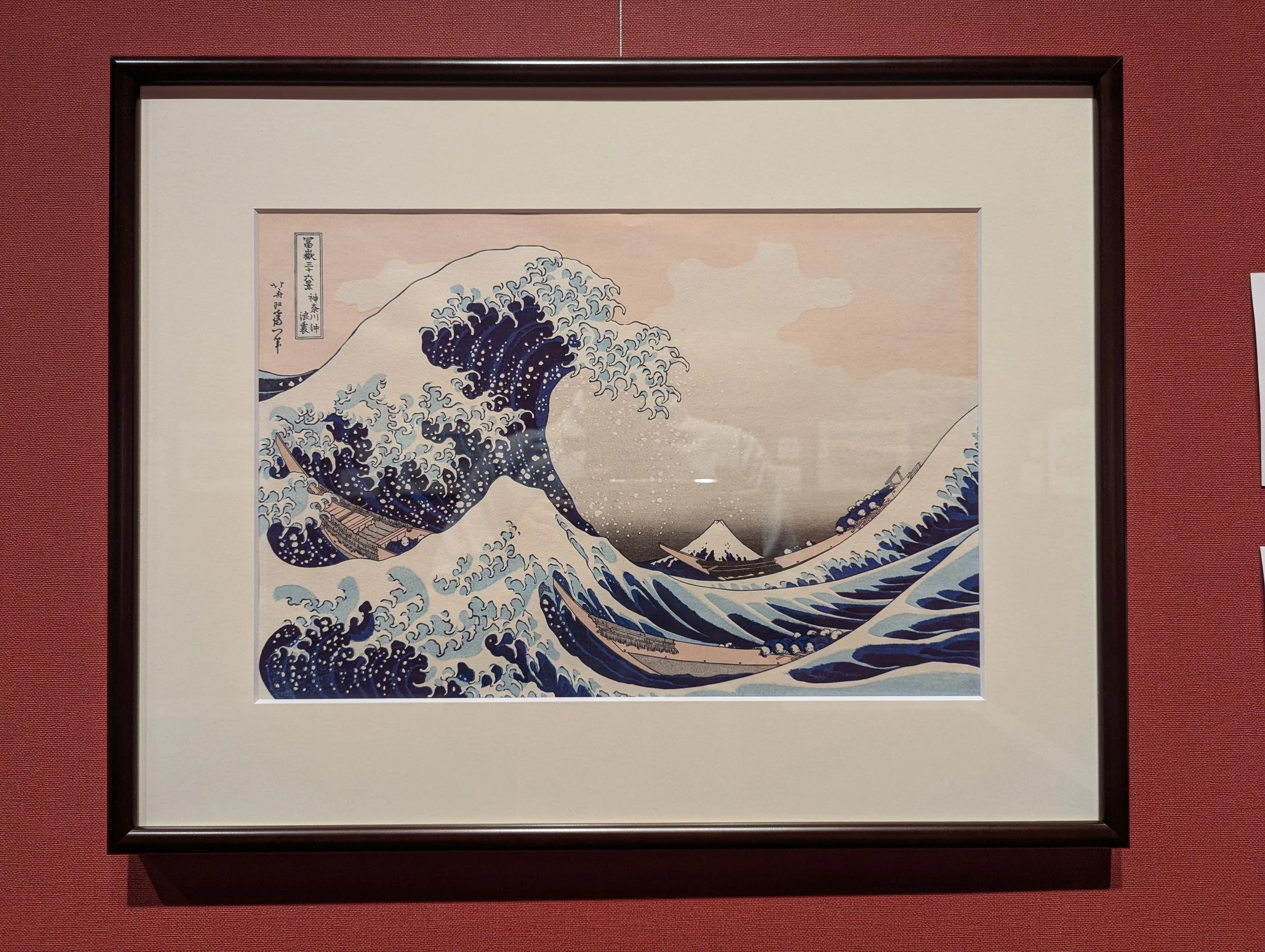
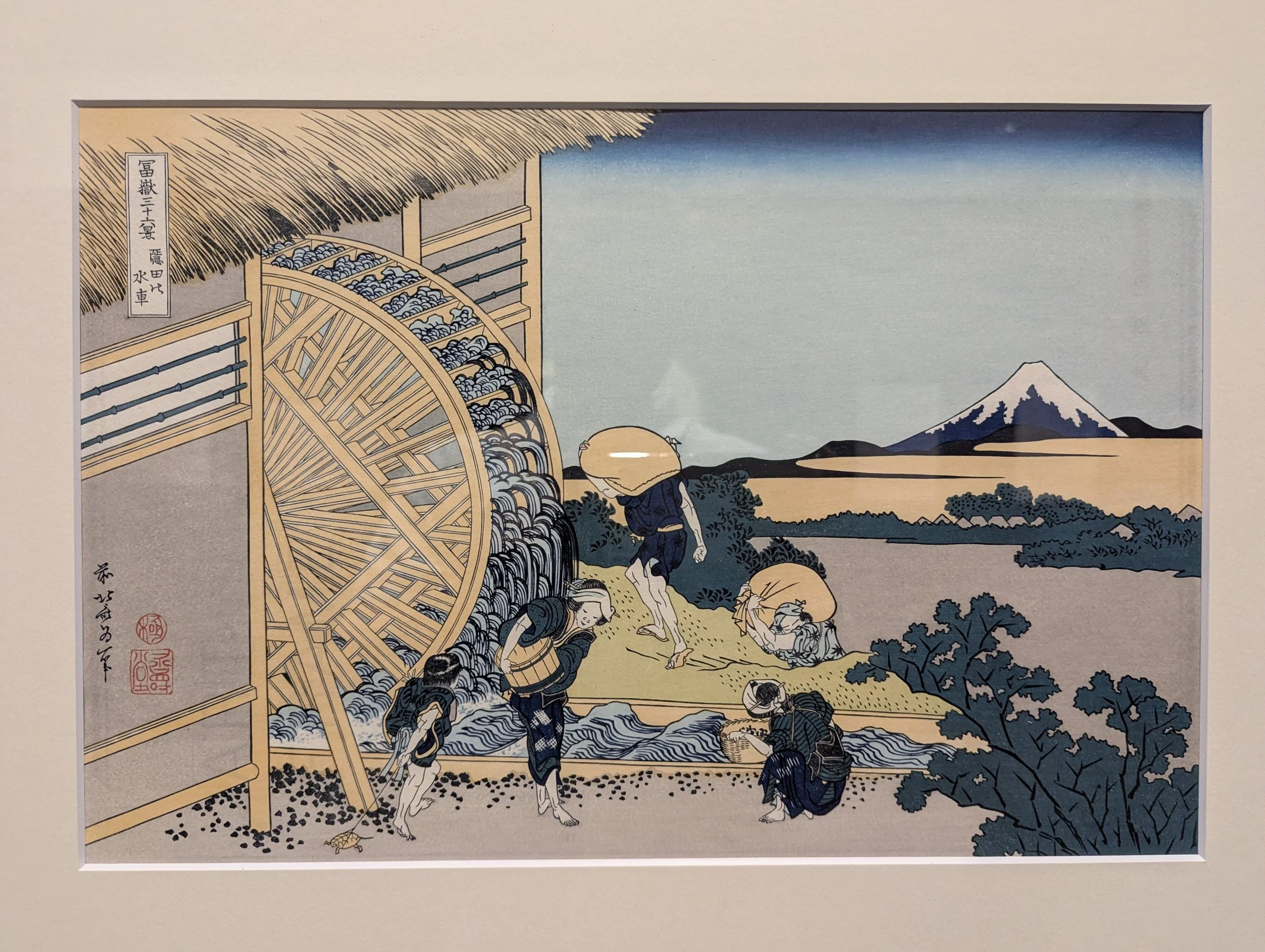
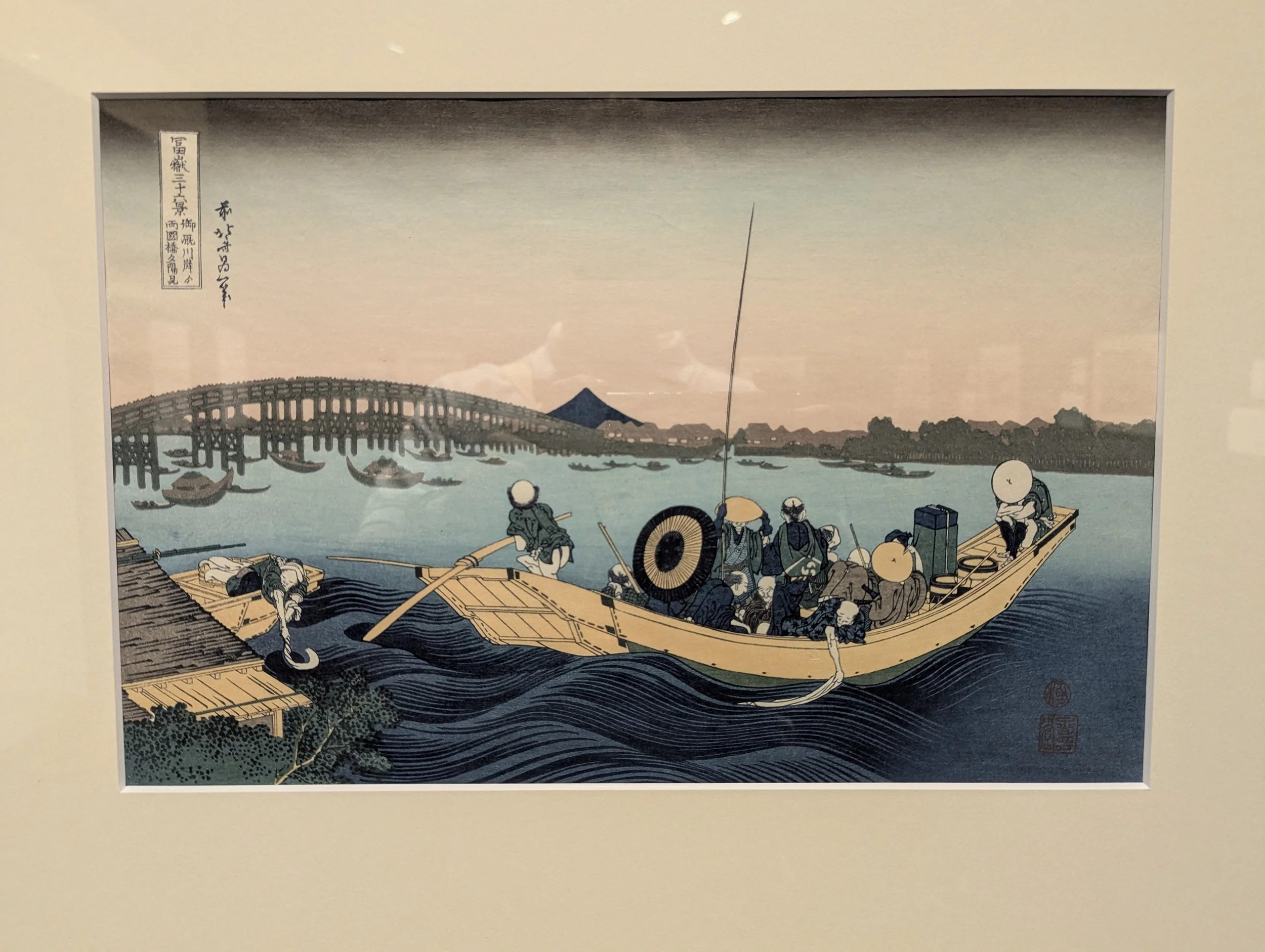
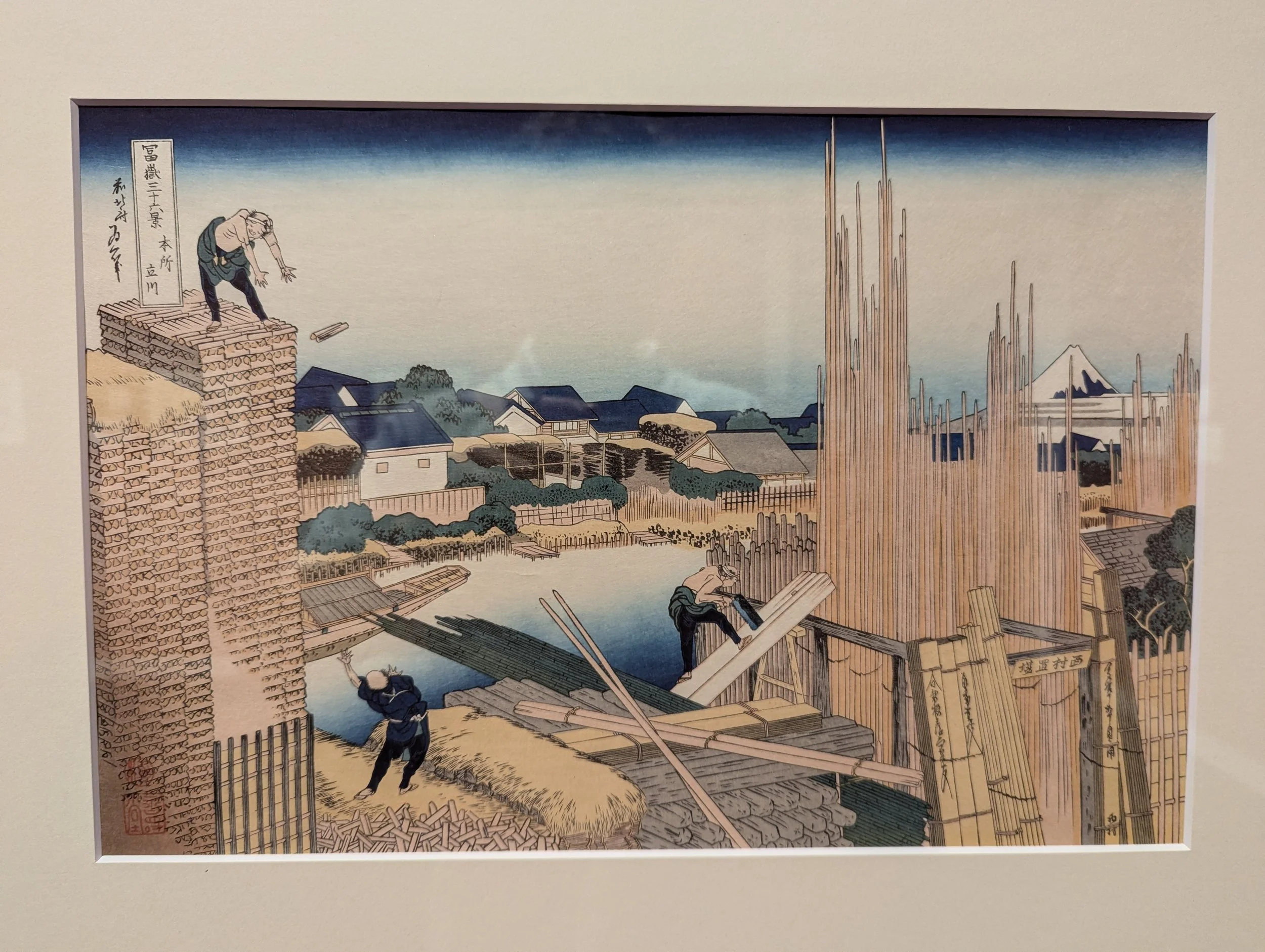
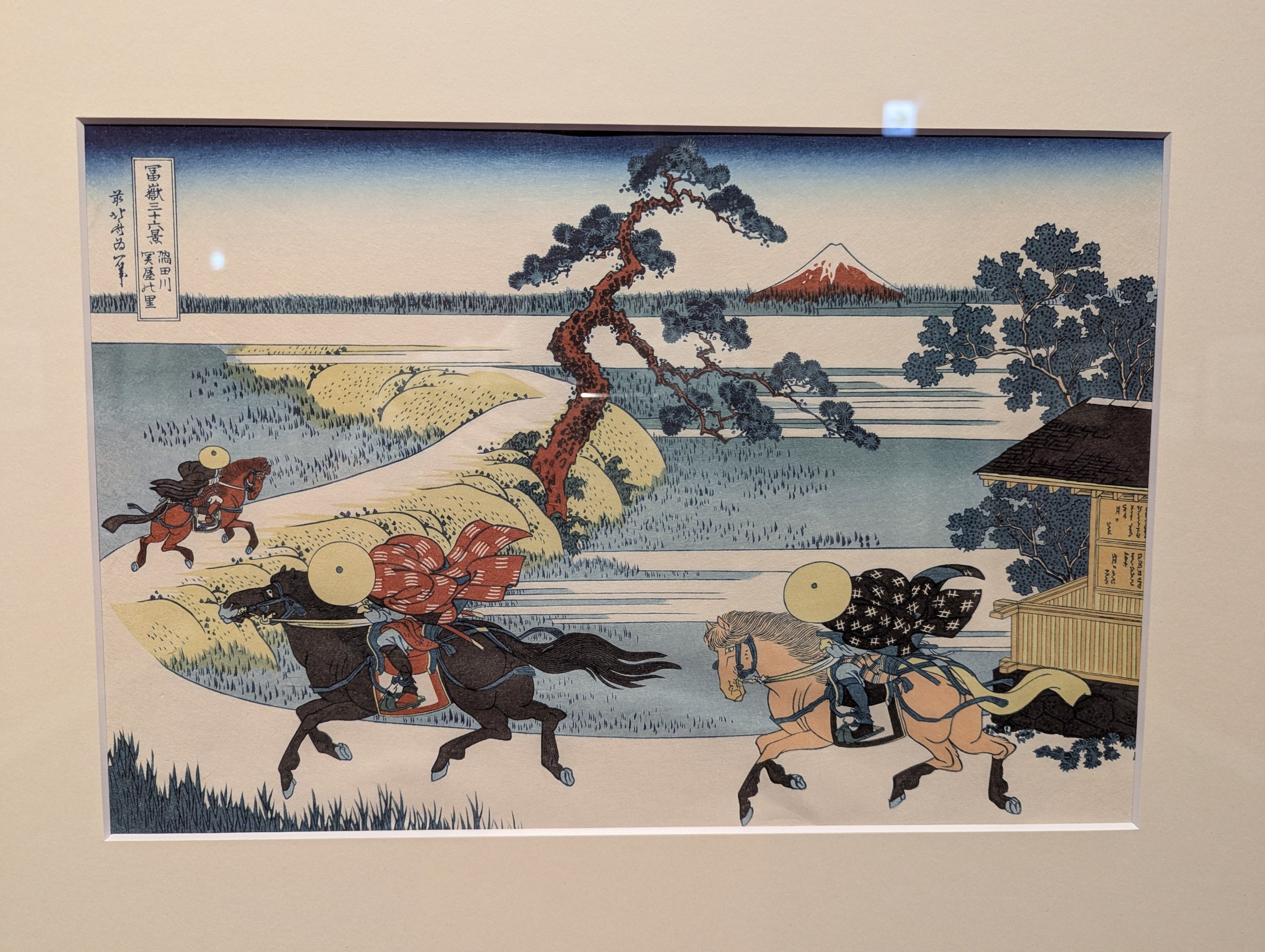
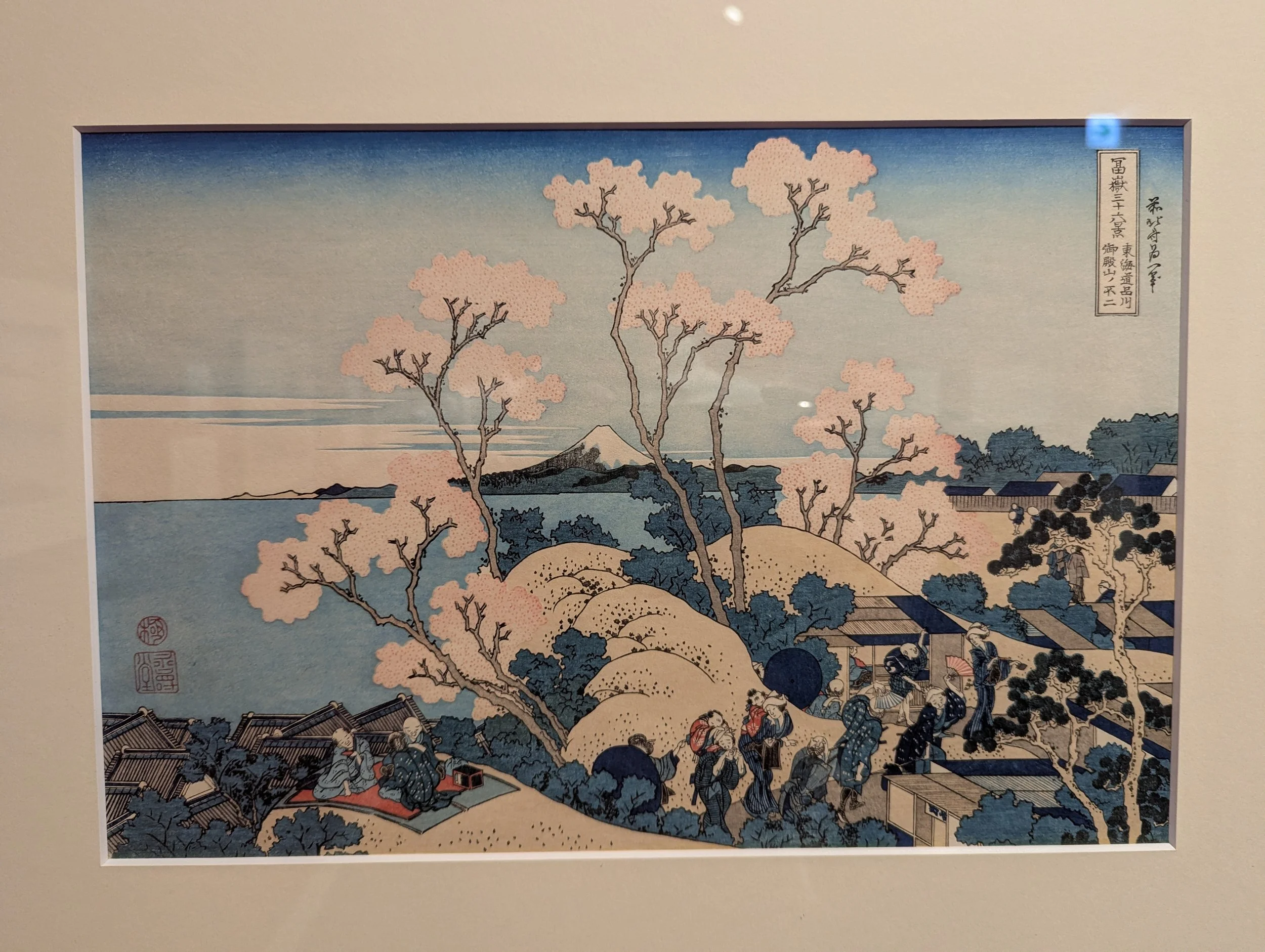
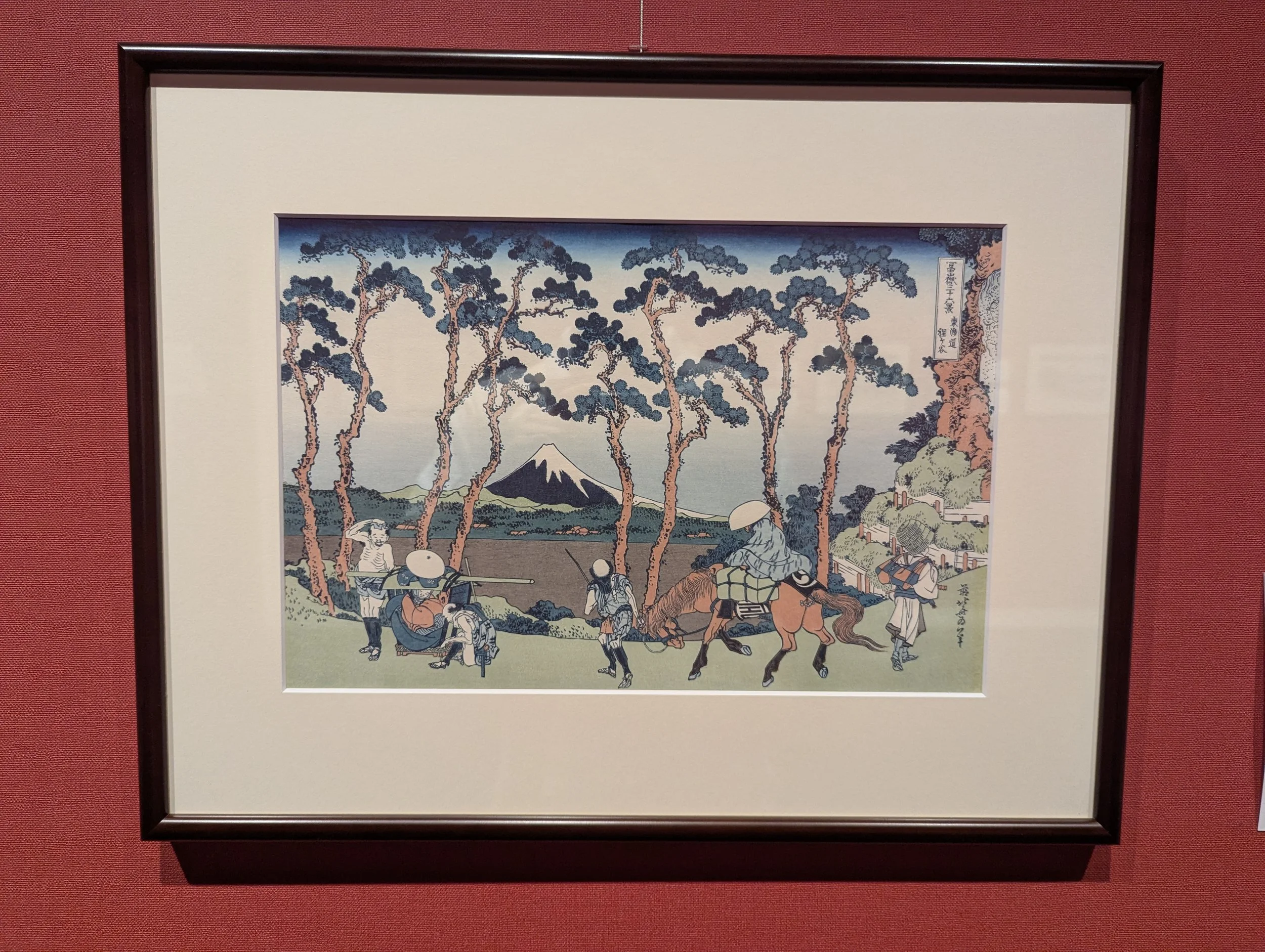
Katsushika Hokusai (1760-1849) is perhaps Japan’s greatest artist. His ukiyo-e (woodblock print) series Thirty-Six Views of Mount Fuji (circa 1830-32), featuring The Great Wave off Kanagawa, became an unprecedented commercial success and a memorable introduction of Japanese art to Western audiences. Hokusai is credited with inspiring the Japonisme movement in Europe, influencing Vincent van Gogh, Claude Monet, and Claude Debussy, among others.
Hokusai was 70 years old when he embarked on the ambitious project, taking advantage of the newly accessible imported pigment Prussian blue. He captured Japan’s tallest peak through various seasons and vantage points, reflecting the widespread influence of Fujikō (“Fuji Worship”). The series has since become synonymous with Edo period Japan and the medium of ukiyo-e as a whole.
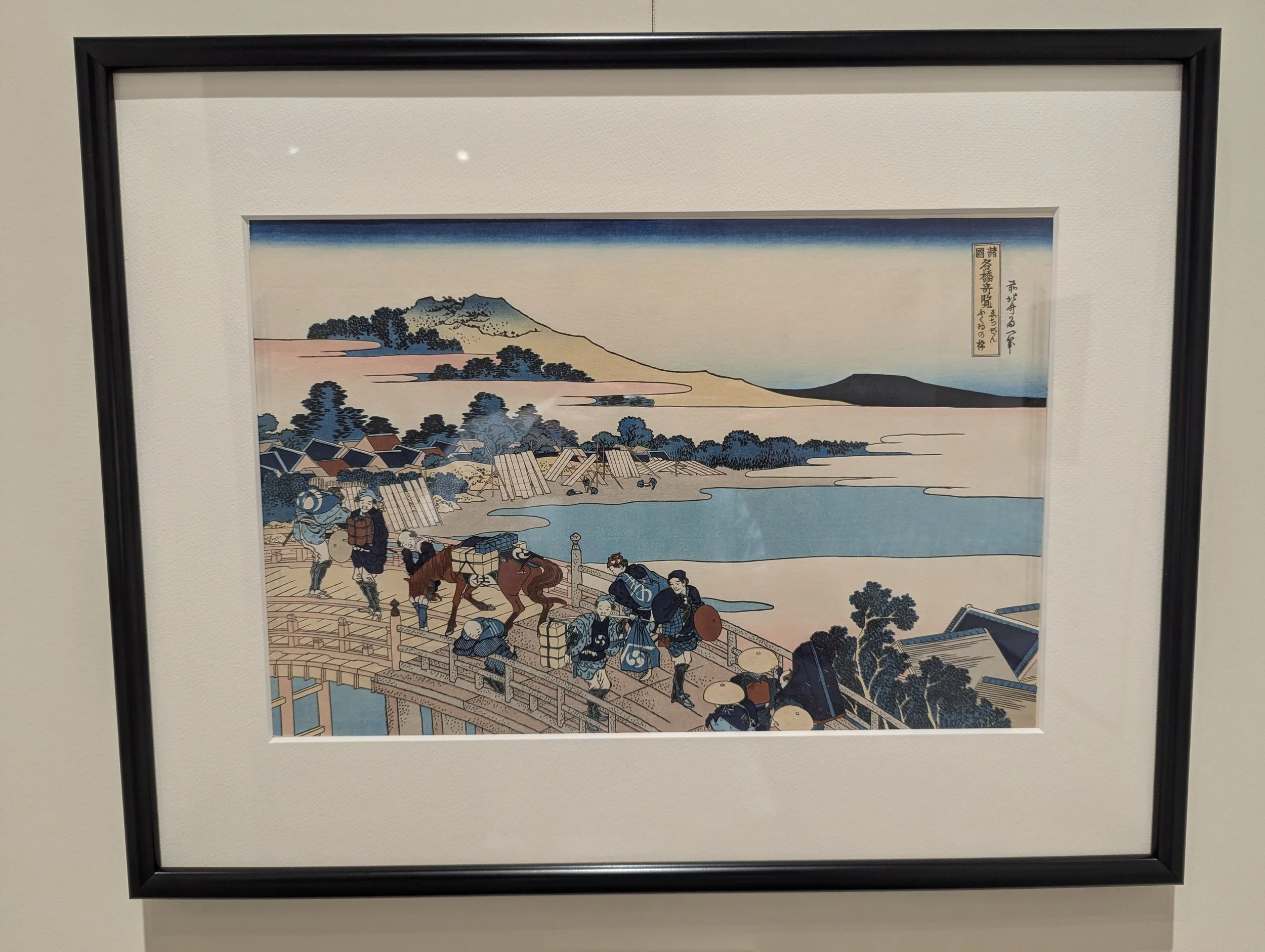
The exhibition also includes Hokusai’s single work dedicated to Fukui, Fukui Bridge in Echizen Province (circa 1830). Although he likely never visited the region, he depicted Tsukomo Bridge over Asuwa River. The unusual bridge combined wood and locally quarried Shakudani stone, allowing portions to be burned but quickly rebuilt in the event of an attack. In the work, merchants carry processed paper across the bridge while Echizen washi dries in the distance.
Kaii Higashiyama (東山 魁夷) — Permanent Display
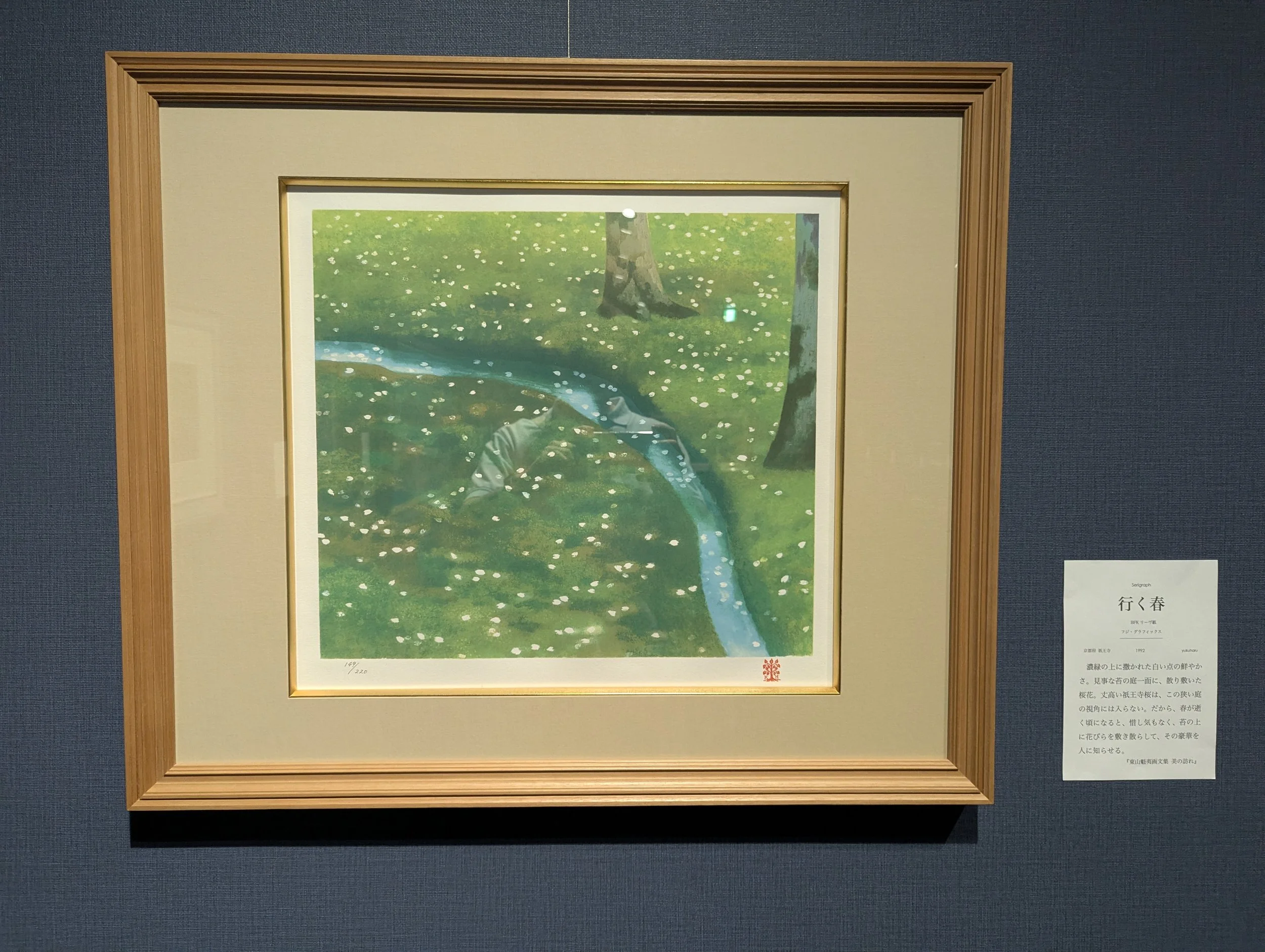
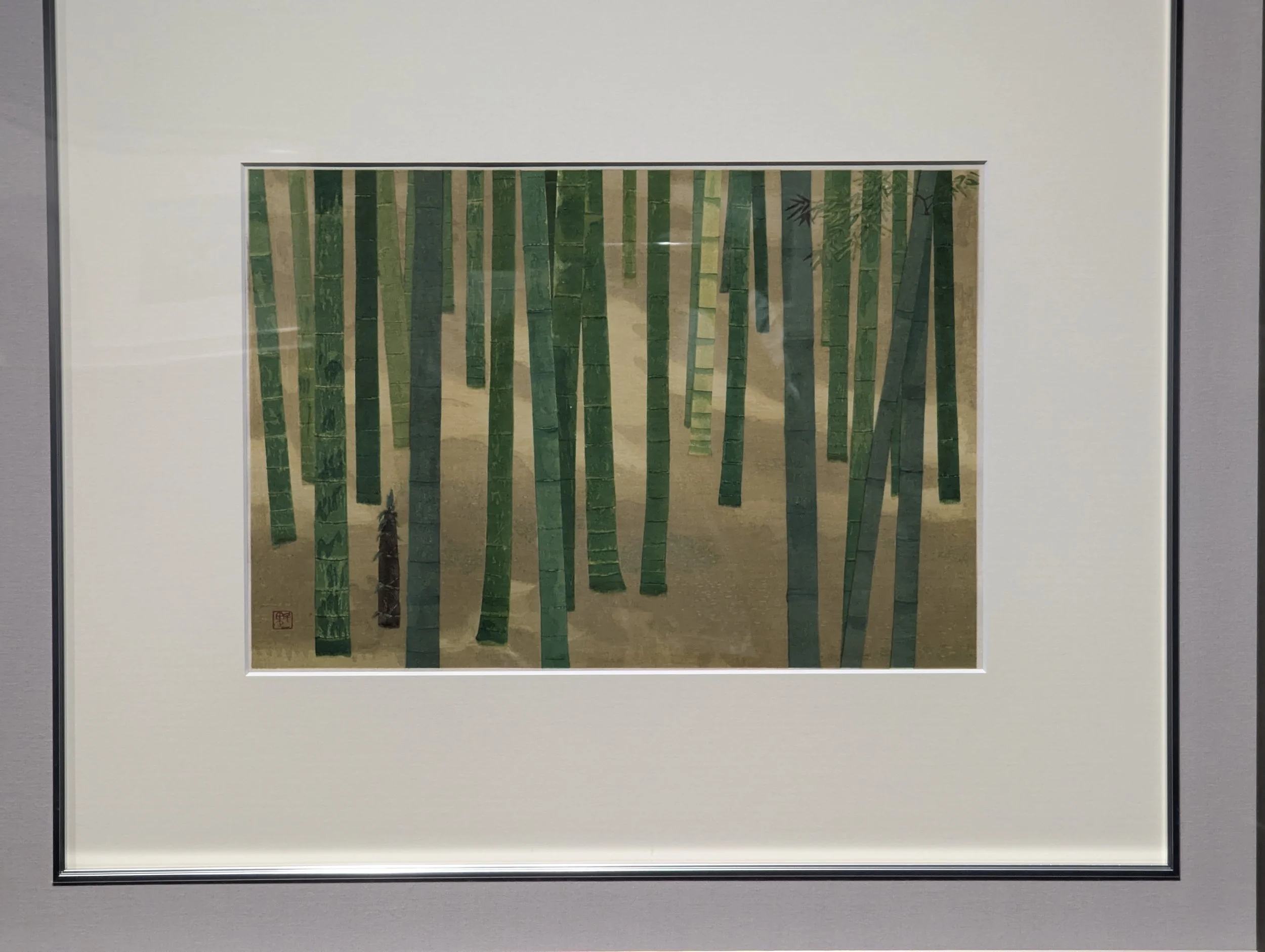
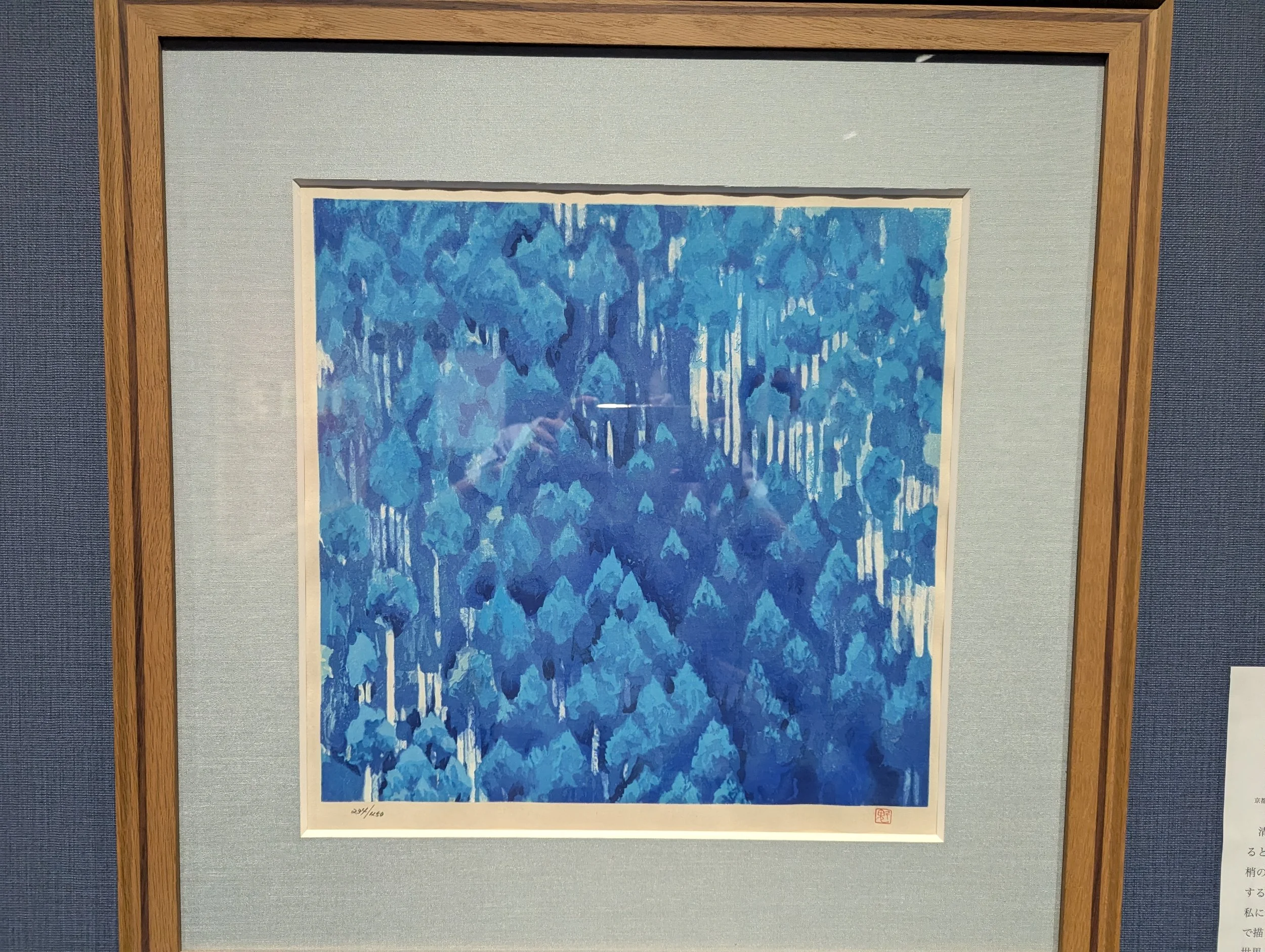
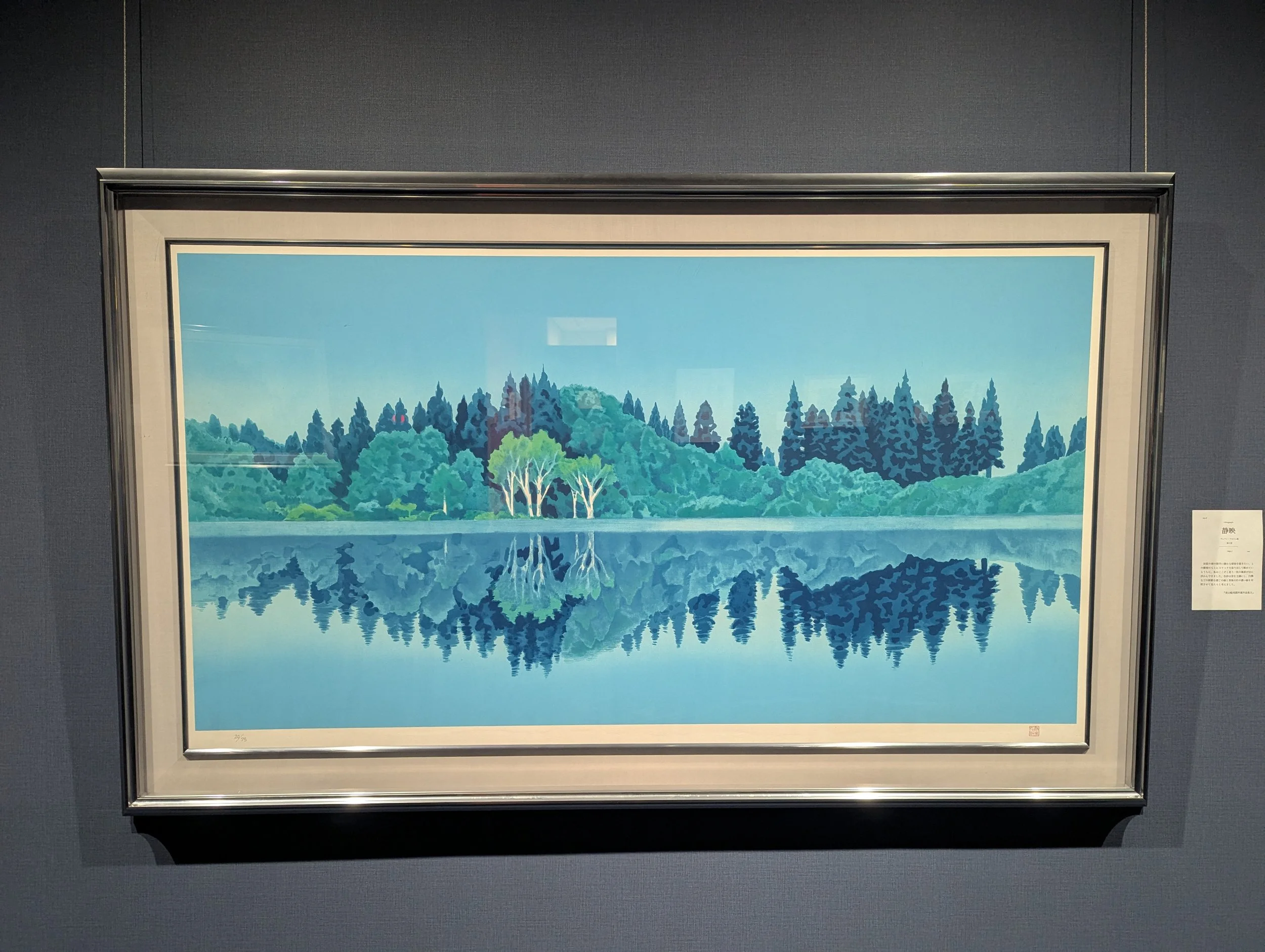
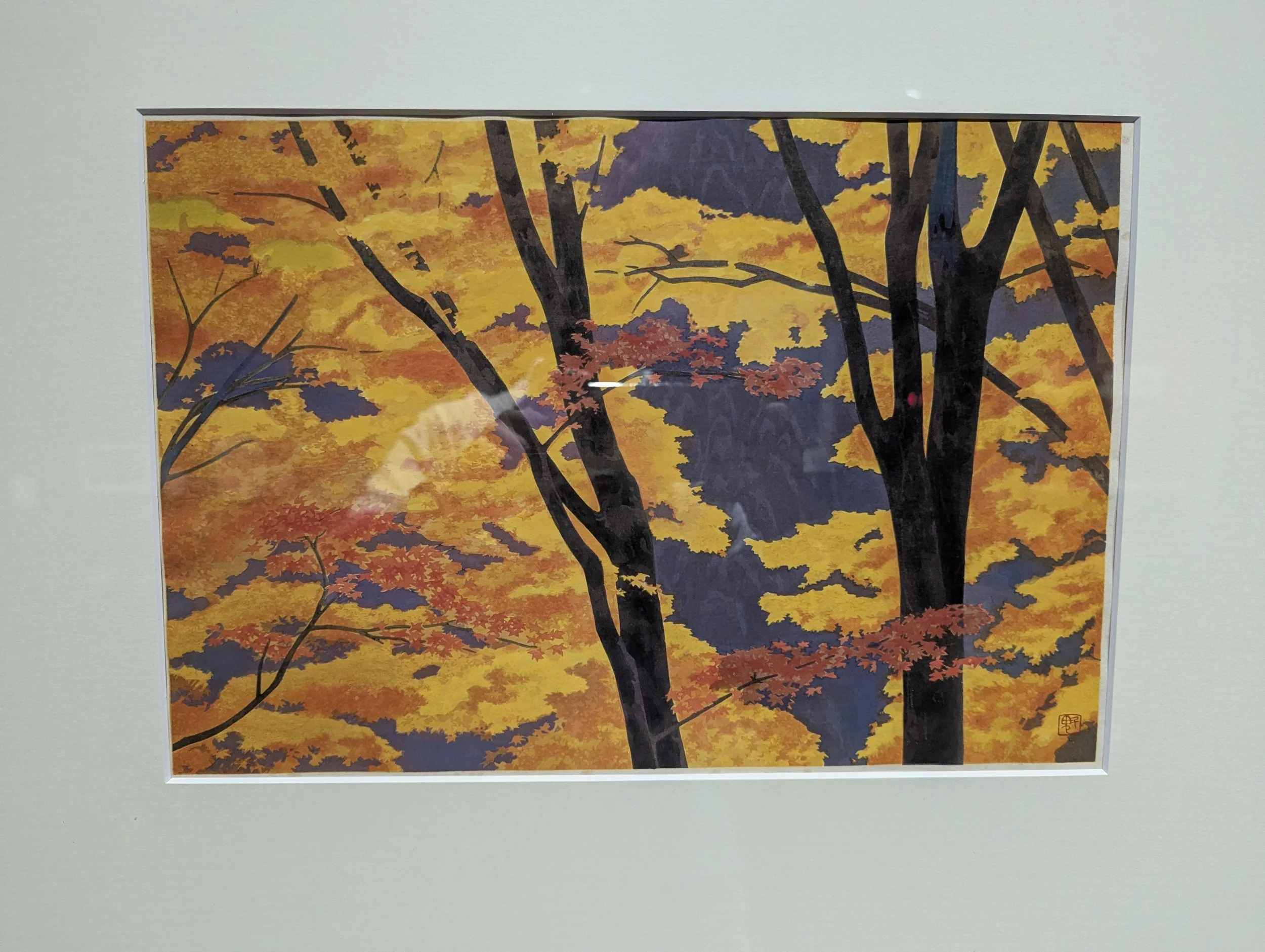
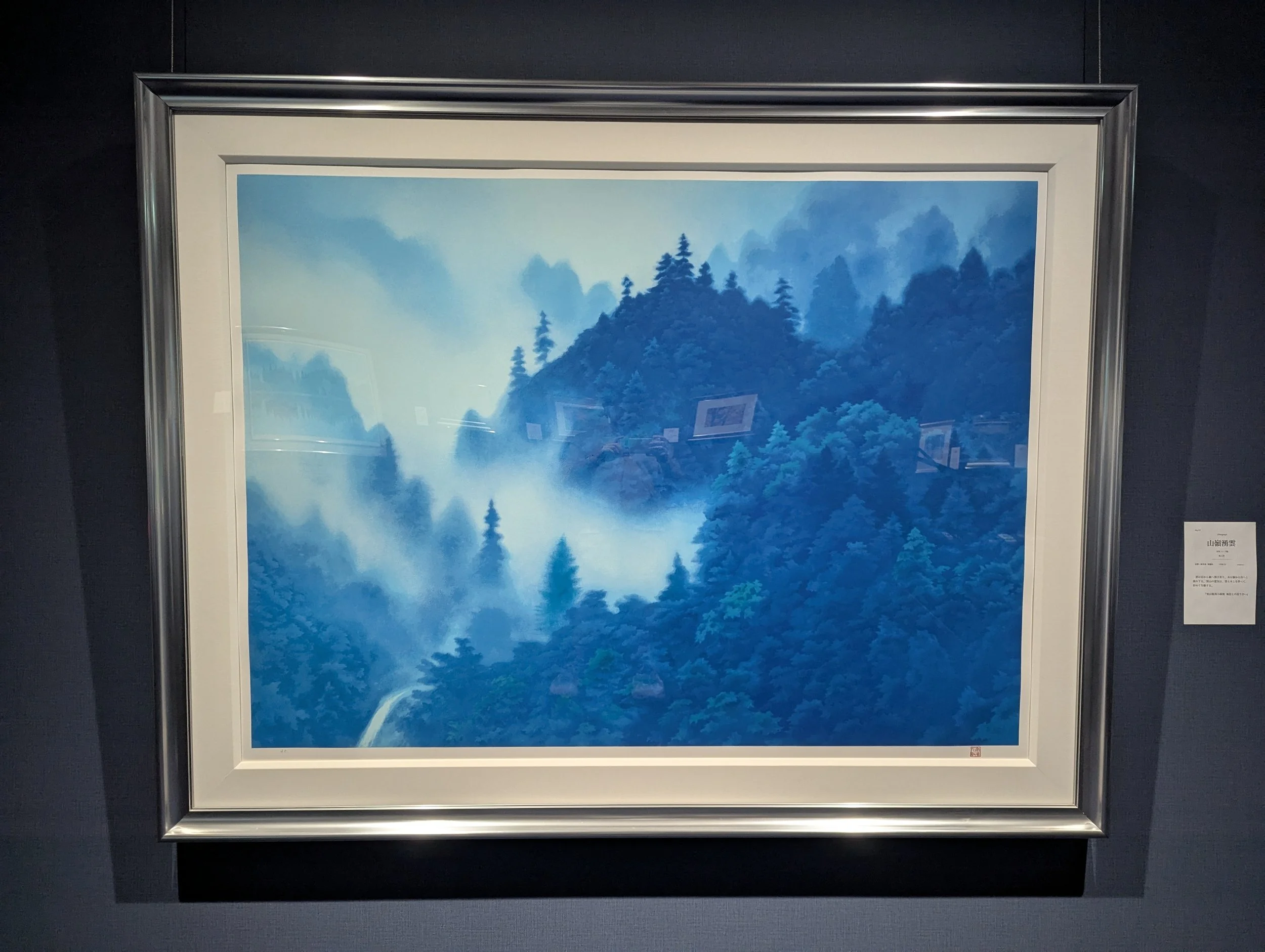
Born in Kanagawa and trained in both Tokyo and Berlin, Germany, Kaii Higashiyama (1908-1999) is celebrated as one of Japan’s best landscape artists. He was awarded the Japan Art Academy Prize in 1956 and Order of Culture in 1969. He also produced monumental murals for the Imperial Palace and Toshodaiji Temple in Nara.
Higashiyama’s life was marred by the sudden deaths of his father, mother, and younger brother following World War II. He found solace in nature, traveling and capturing the country’s varied landscapes. Devoid of the human figure, his work possesses a serene spirituality, allowing viewers to connect directly with his immersive scenes.
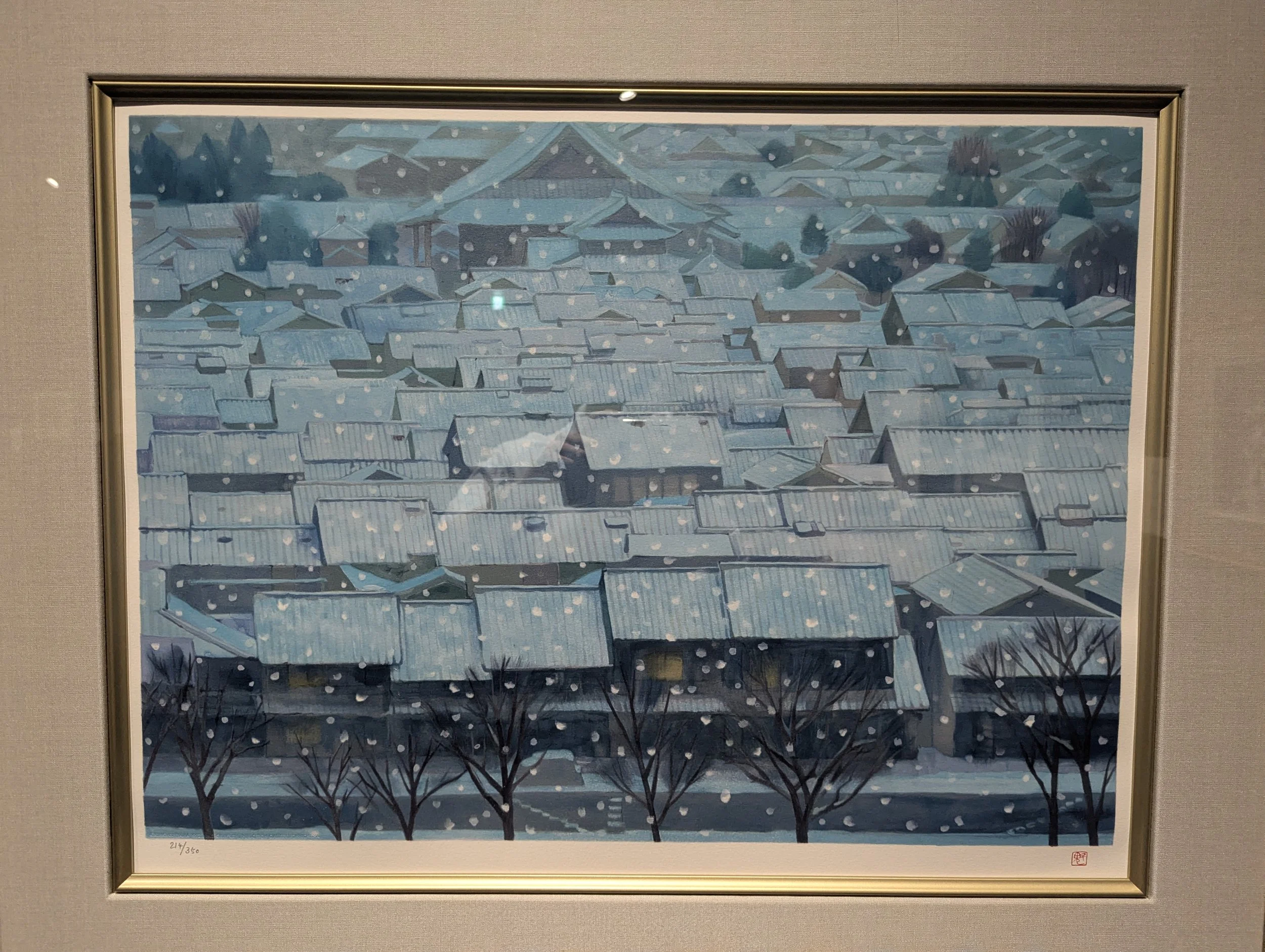
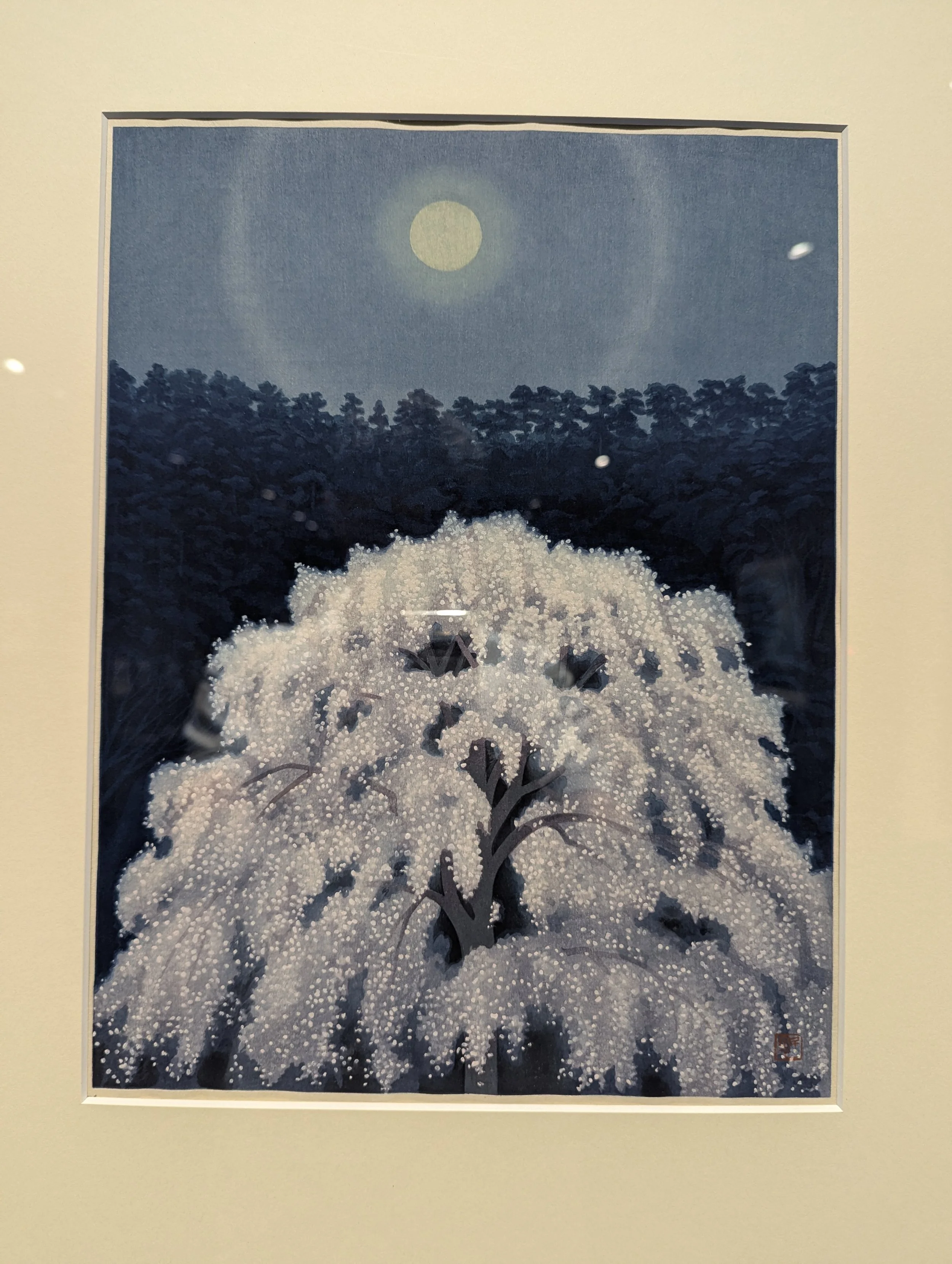
As Japan underwent rapid industrialization, Higashiyama’s friend, author Yasunari Kawabata (川端 康成), pleaded, “I hope you will paint many works on the subject of Kyoto before it is lost.” This sparked his series Four Seasons of Kyoto (1968), including many beloved works such as Flowers Luminous at Night and End of the Year. The quiet atmosphere of these works offers a striking contrast to Kyoto’s bustling streets today.
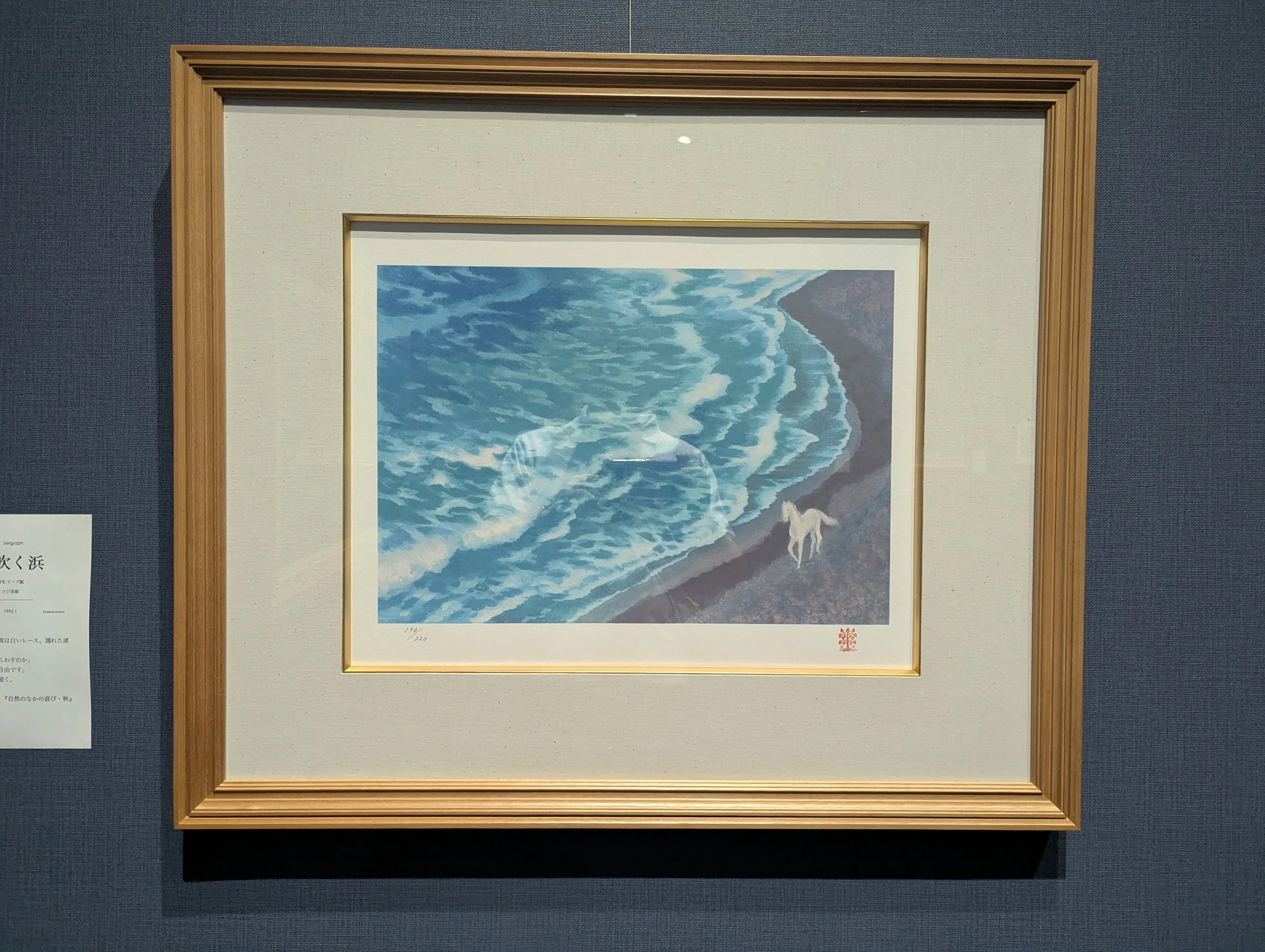
Higashiyama’s White Horse series is on exhibit as well, coinciding with the Year of the Horse. He called the noble steed a symbol of freedom and a manifestation of peace.
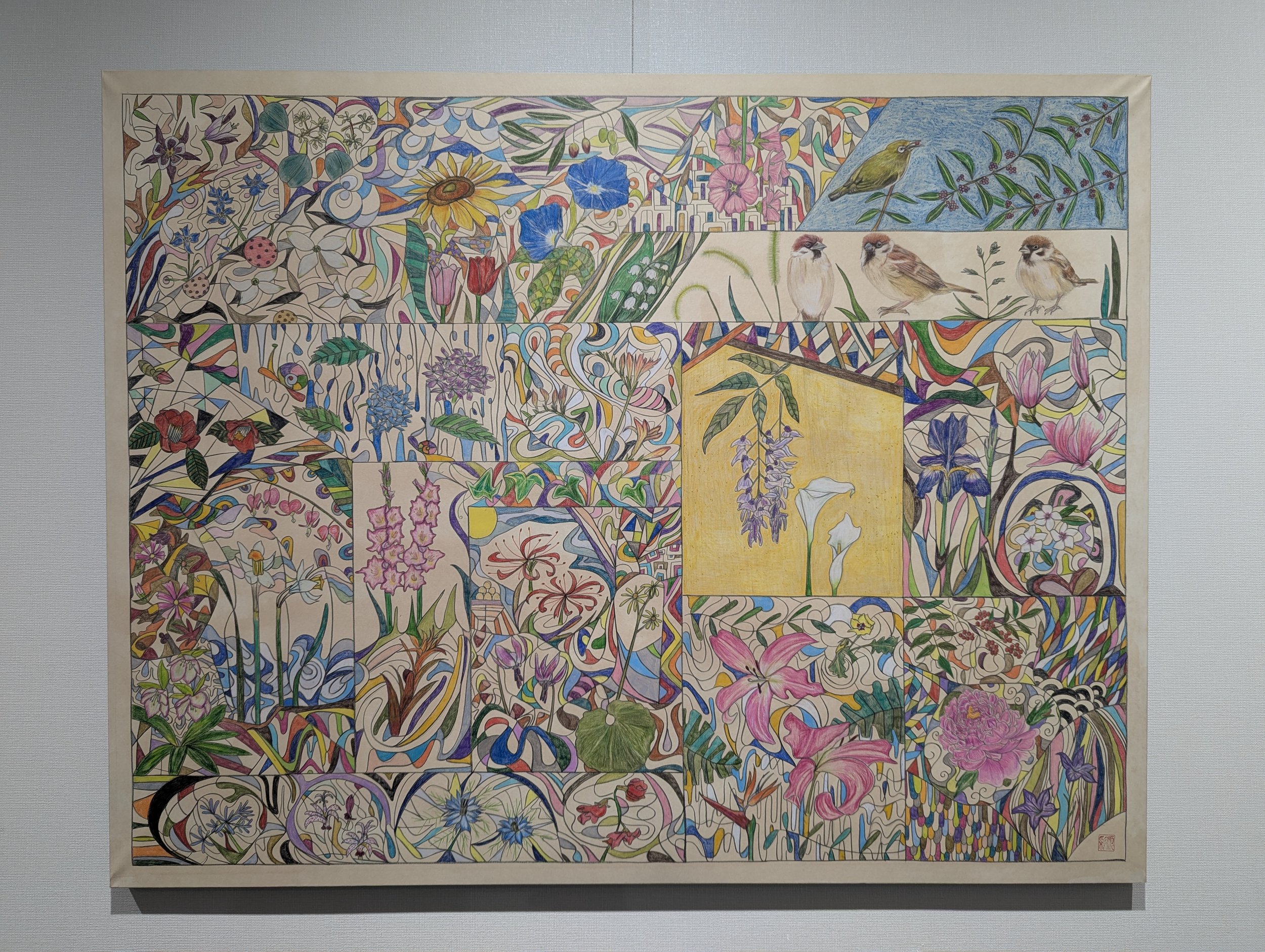
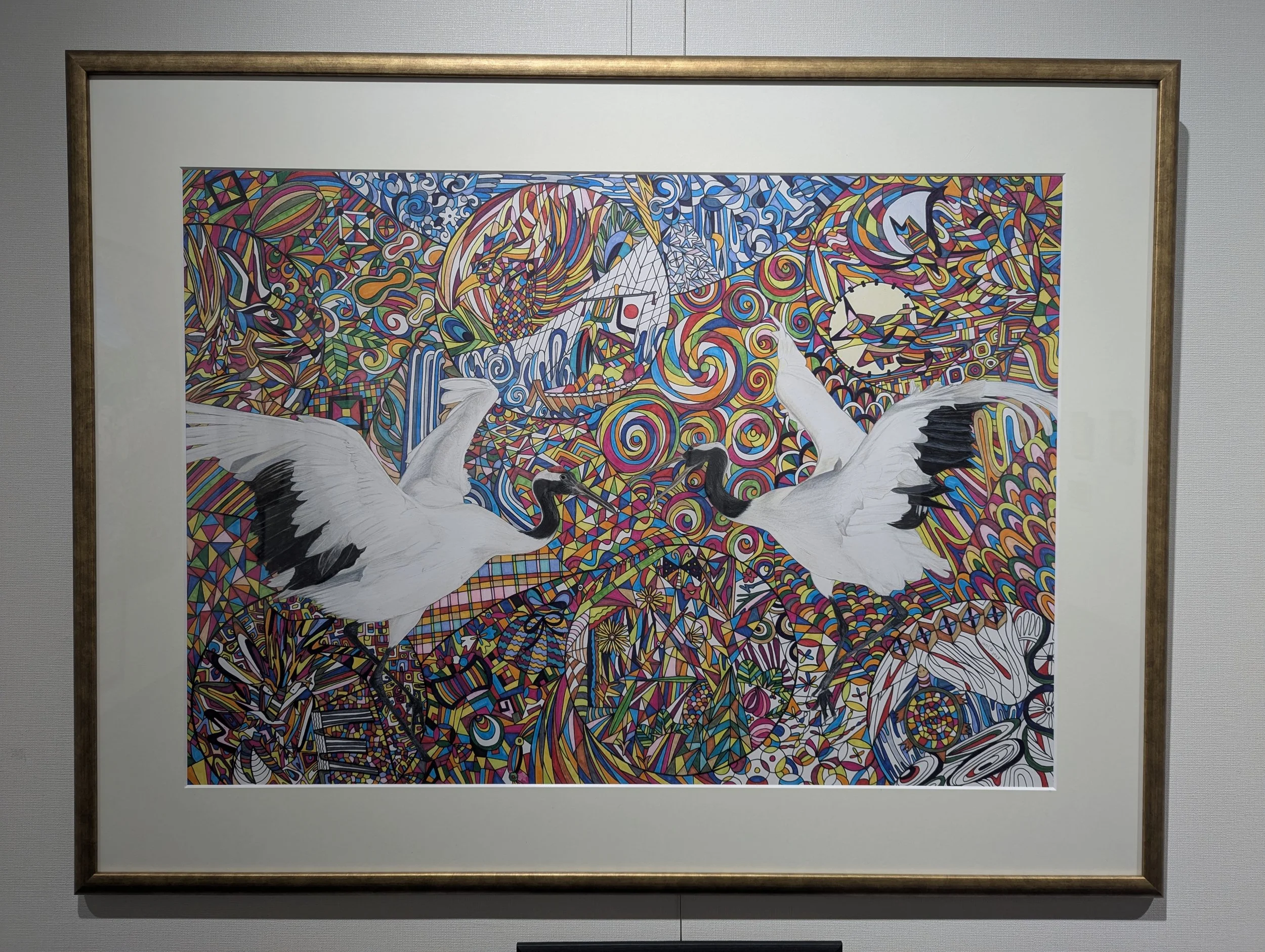
JUNCOlor / Junko Tsuji (辻順子さん) — June 17 - July 15
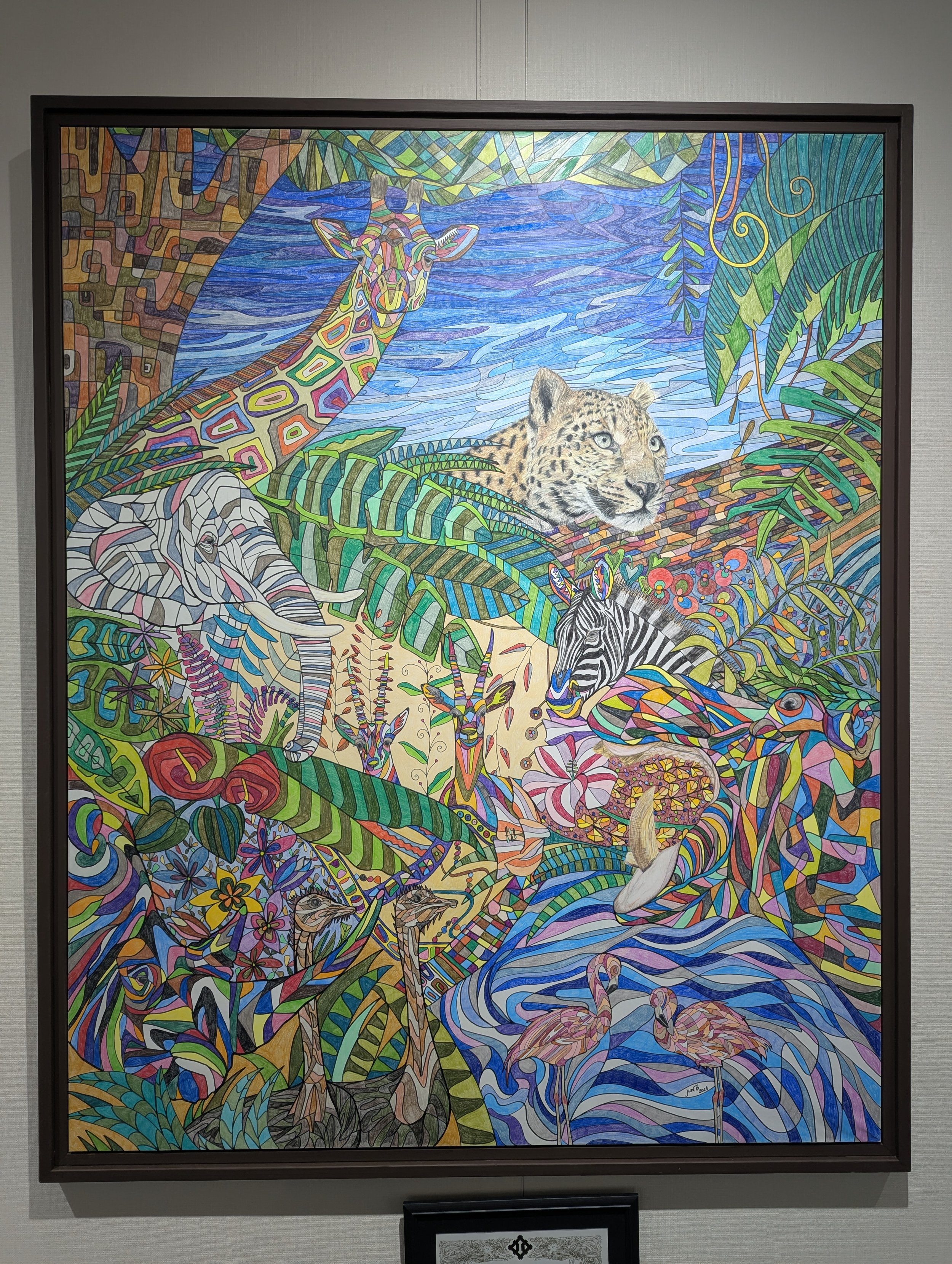
The gallery is also hosting work by Fukui-native JUNCOlor (Junko Tsuji). Born in 1974, Tsuji began her art career at the age of 45, creating vibrant illustrations with colored pencils on paper. In her playful style, she combines geometric designs with plants and animals. Her recent accolades include top honors at the 73rd Fukui Prefecture Workers’ Art Exhibition in 2023 and Mayor’s Award at the 38th Fukui City Art Exhibition in 2025.
Access
The Echizen Fukui Art Museum is open from 9:30 to 18:00 (6:00 PM) every day except Mondays. It’s a five-minute walk from Fukui Station. Admission is 600 yen for adults (about 4 USD). There’s also a gift shop and “Linden” cafe — the cafe opens from 10:00. Follow the museum on Instagram for more information.