Travel Guide: Saigon (Ho Chi Minh City)
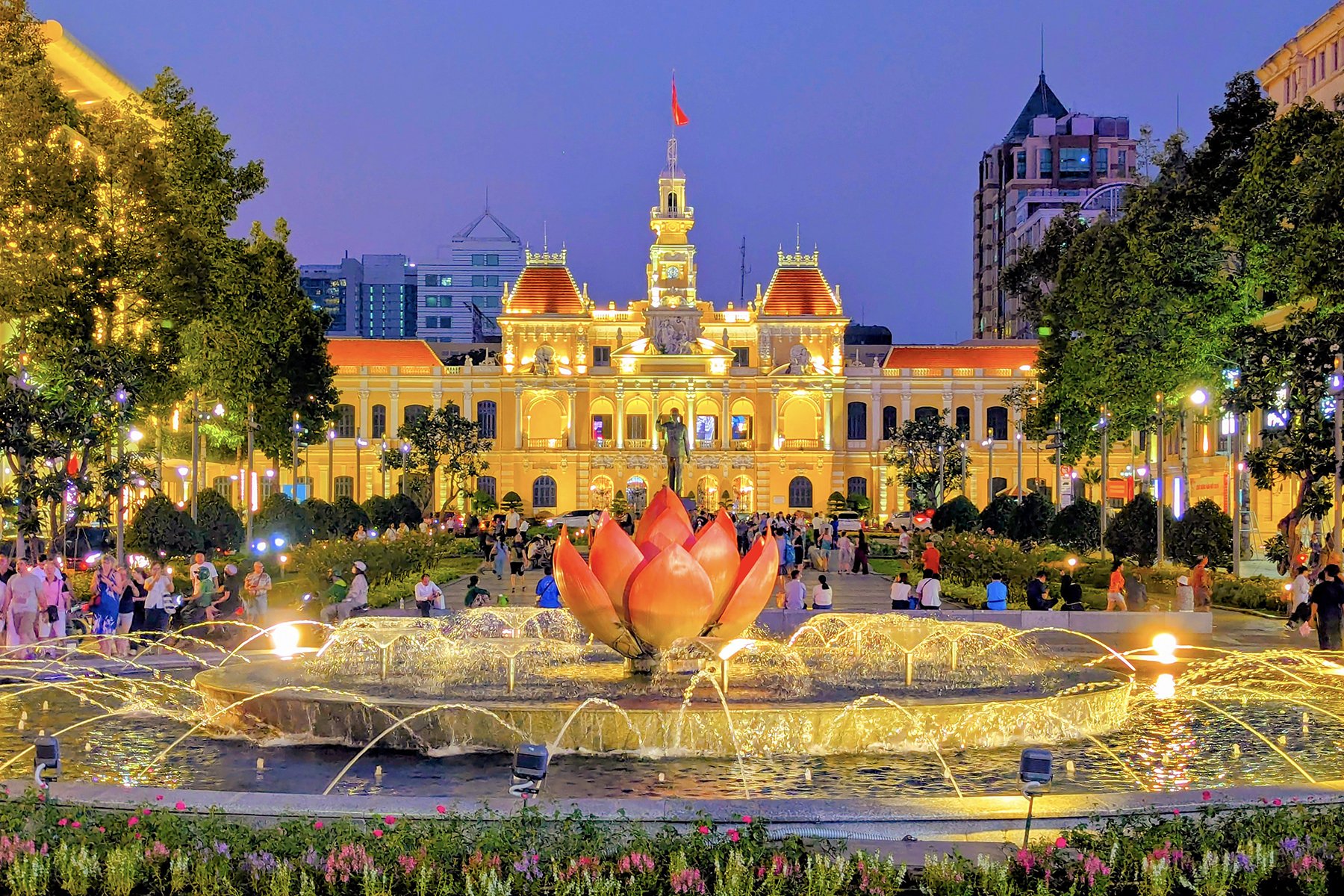
The tropical metropolis boasts a bustling atmosphere, colonial architecture, and delicious cuisine.
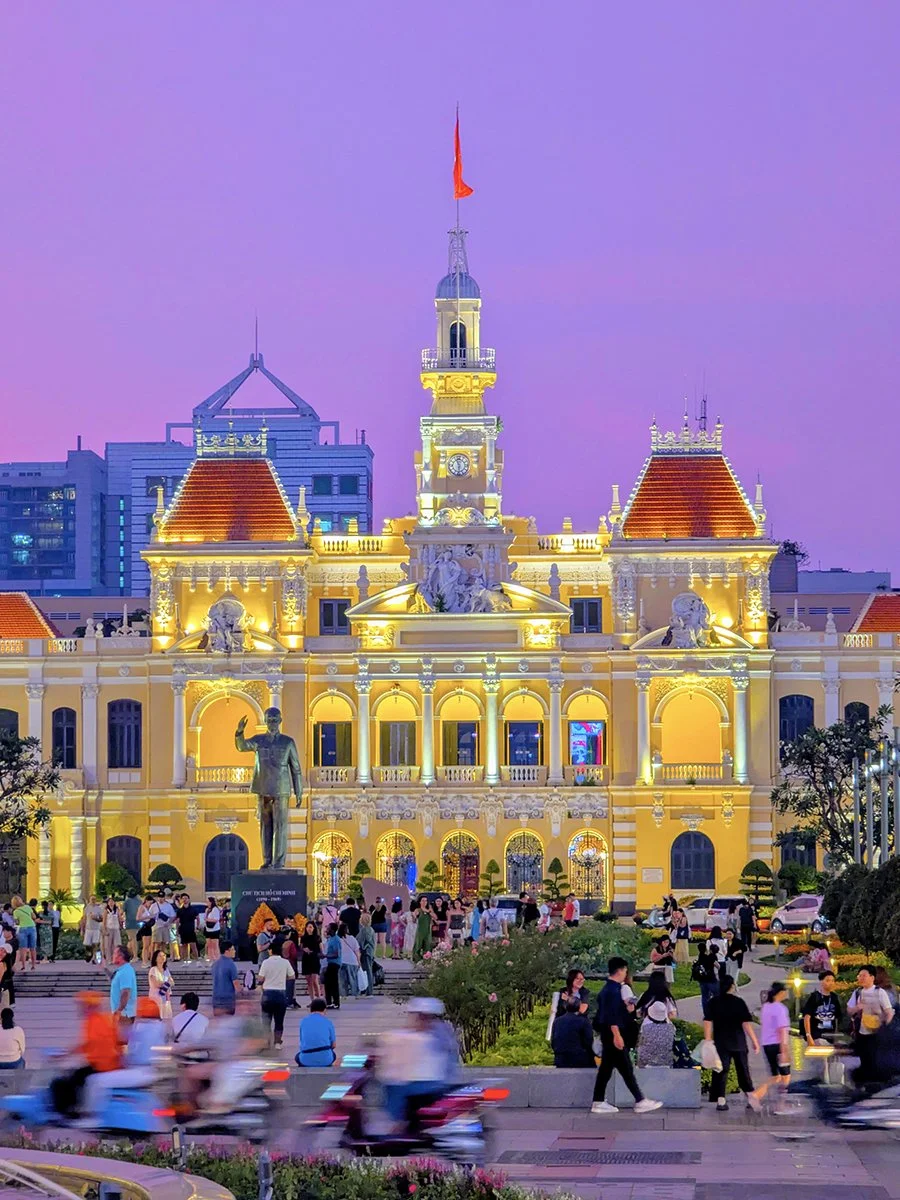
Cover photo: Evening view of the People’s Committee Building along Nguyễn Huệ Walking Street, Saigon, Vietnam (2025). Photo by Danny With Love.

Click on an image for more details.
Intro to Saigon
Ho Chi Minh City — better known as Saigon (Sài Gòn) — is Vietnam’s largest city and economic center. Once capital of the southern region, the tropical metropolis is rich with layered history. Saigon boasts a bustling atmosphere, colonial architecture, and delicious cuisine — it’s the birthplace of the iconic bánh mì sandwhich!
The city has long captured global imagination through both real and fictionalized events, from the Fall of Saigon in 1975 — forever associated with evacuating helicopters — to the tragic love story of Miss Saigon (1989). My own interest was sparked by Hong Khaou’s film Monsoon (2019), starring Henry Golding. The movie presents HCMC as a vibrant and fast-changing city.
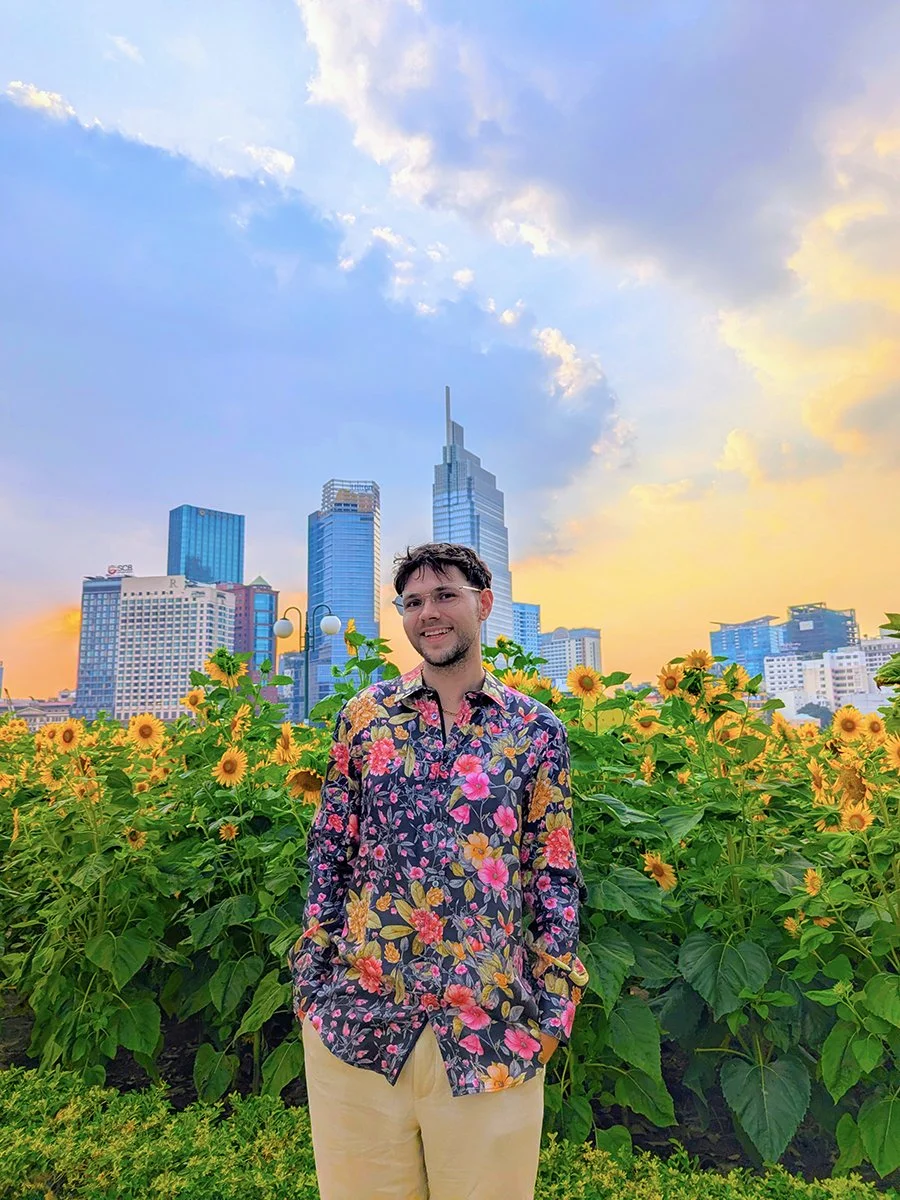
Scored by a constant symphony of motorbikes, Saigon is as noisy and alive as I hoped. My new year’s trip was a delight. It was thrilling to get lost in the chaos, admiring centuries-old architecture and tasting fresh cuisine. HCMC is a loud and unforgettable introduction to Vietnam.
History of Saigon
Saigon emerged as a major settlement in the late 17th century when the Nguyễn Dynasty expanded southward and established Gia Định as an administrative and trading center along the Sài Gòn River.
Following French conquest in the mid-19th century, Saigon was transformed into a European-style metropolis and major port. Many of the city’s most recognizable landmarks date from this era, including the Notre Dame Cathedral of Saigon. French colonialism led to the widespread adoption of Latin script and introduced culinary influences such as the baguette, which later evolved into the iconic bánh mì.
After World War II, the First Indochina War ended French rule. The 1954 Geneva Accords divided Vietnam at the 17th parallel, creating a communist North and a U.S.-backed South. The city served as the capital of South Vietnam from 1955 until the Fall of Saigon in 1975, one of the defining moments of the Cold War. The secret Củ Chi Tunnels used by communist forces remain a popular historical site.
Following reunification after the Vietnam War (Resistance War against America), Saigon was officially renamed Ho Chi Minh City in honor of North Vietnam’s revolutionary leader. Despite the formal change, “Saigon” remains widely used.
After the Đổi Mới economic reforms of 1986, HCMC reemerged as Vietnam’s financial center. The nation’s tallest building, Landmark 81, was completed in 2018. Today, the metropolitan area is home to some 14 million people.
Cuisine of Saigon
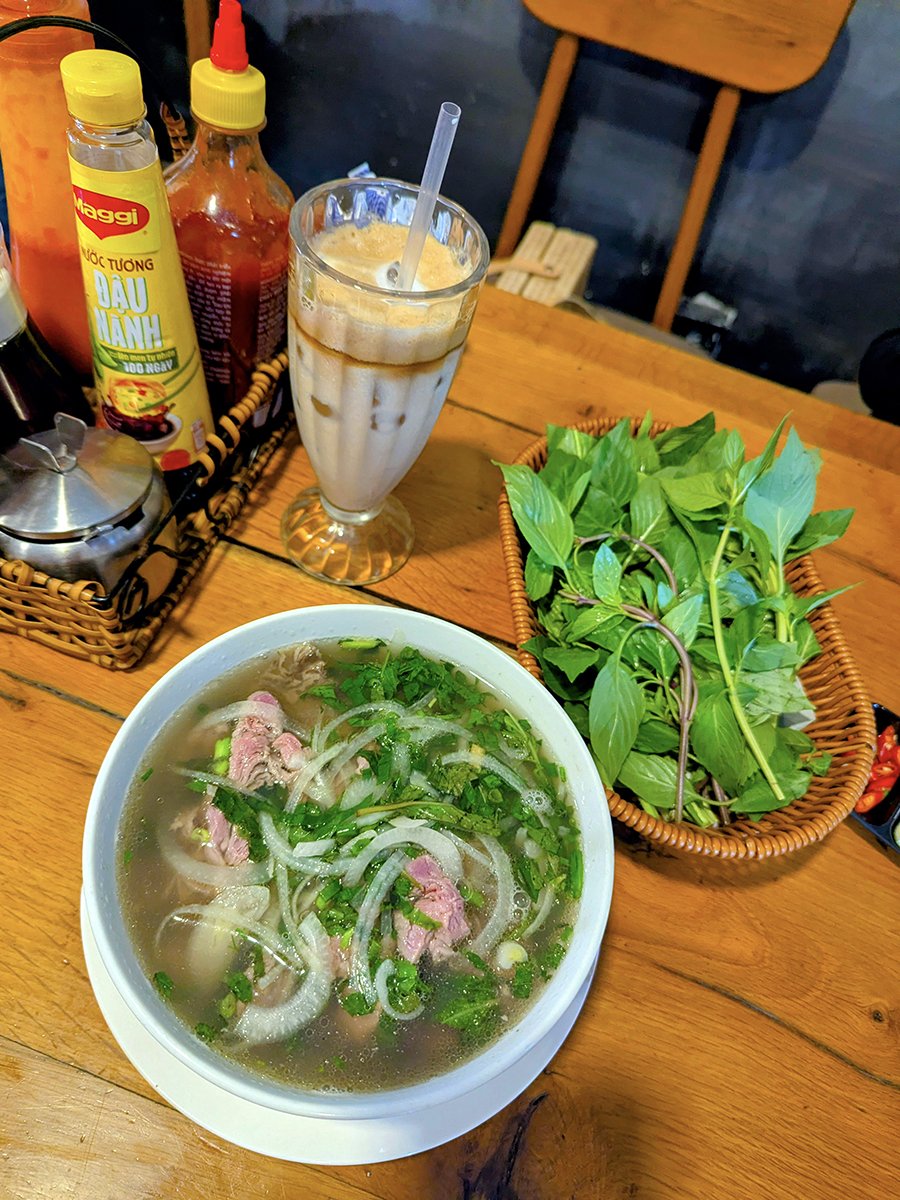
While it may be cliché to call cuisine a highlight, the food in Saigon is truly the city’s greatest star. Every restaurant I visited — however unassuming — was phenomenal.
HCMC is said to be the birthplace of cơm tấm (broken rice) and bánh mì, often called one of the world’s greatest sandwiches. I also discovered bánh xèo, savory Vietnamese pancakes. They’re equally delicious and fun to eat!
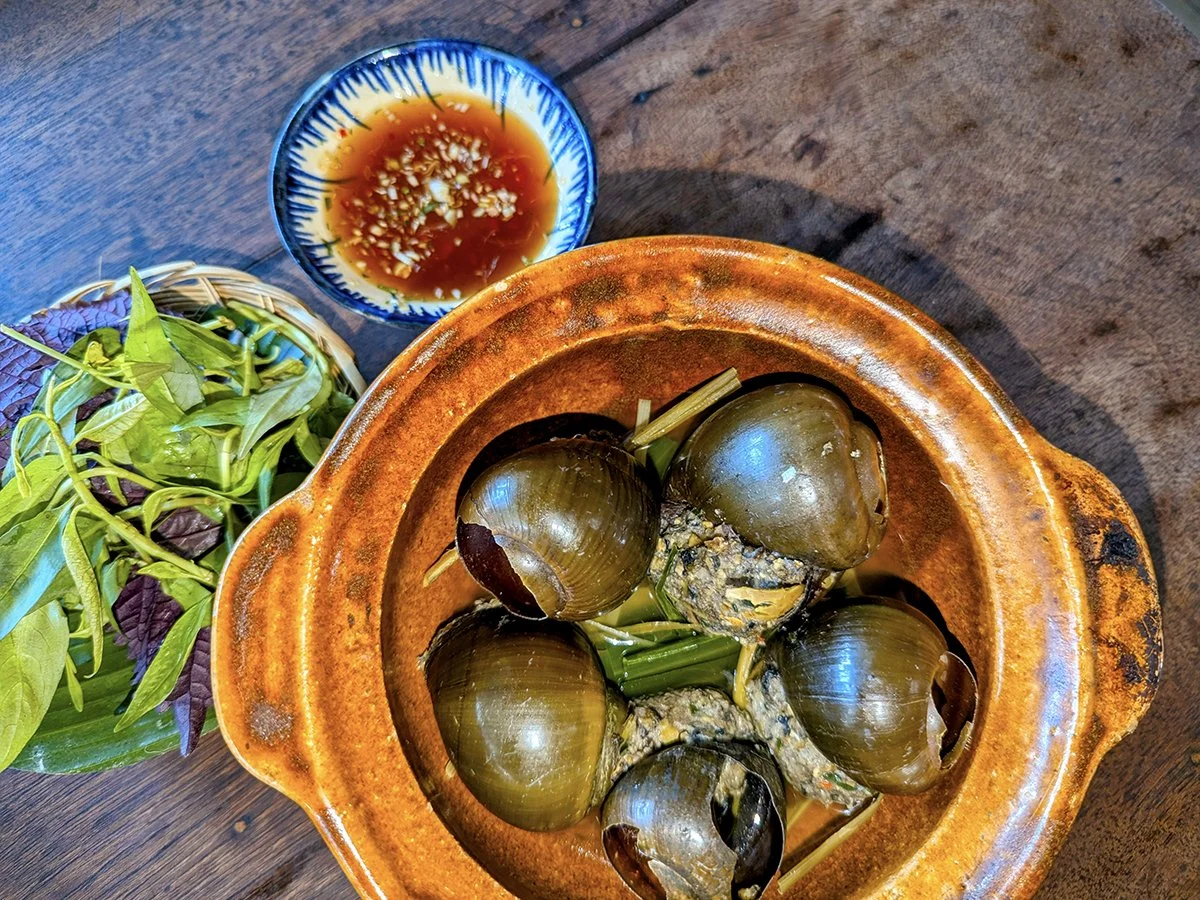
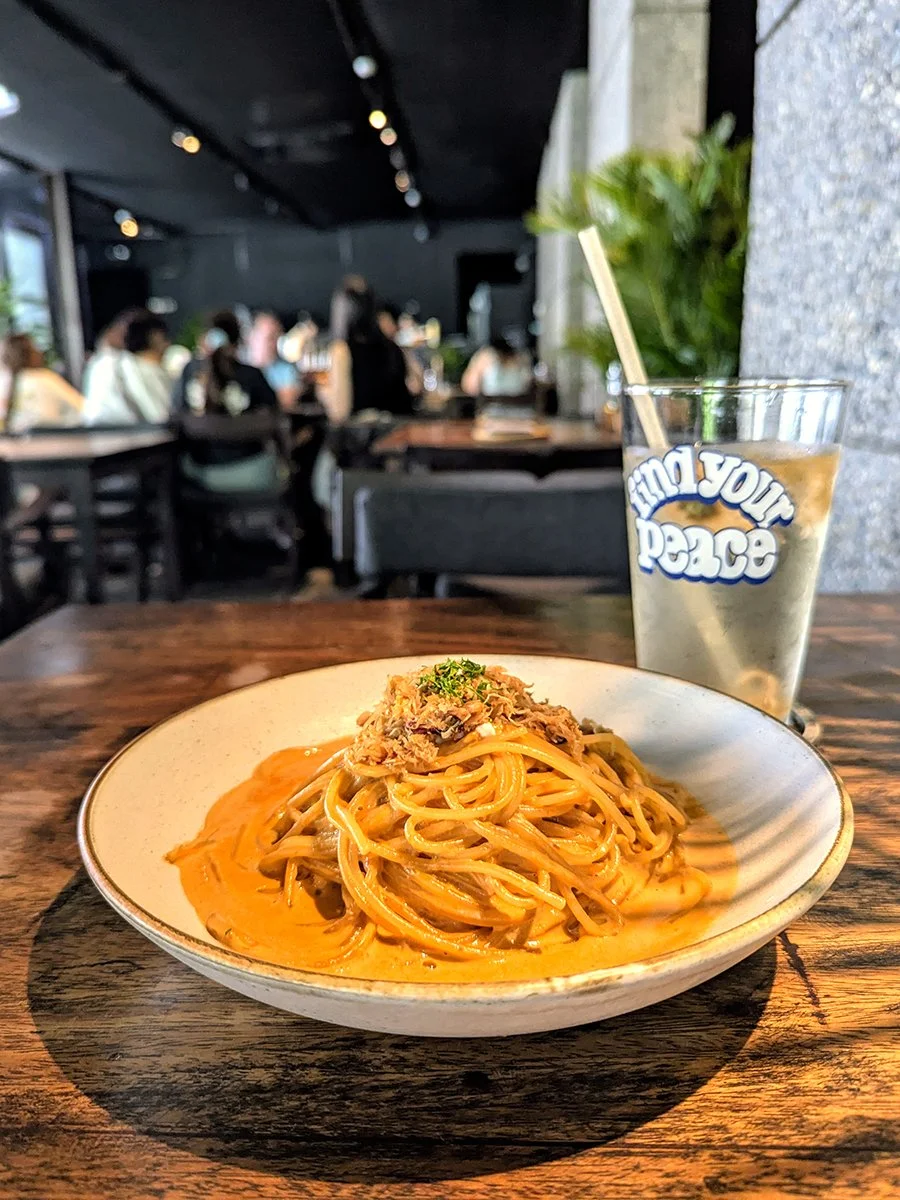
Saigon’s coolest restaurant is definitely Mặn Mòi near Tao Đàn thanks to its striking biophilic architecture and extensive menu. The rambutan salad with grilled snakehead fish and stuffed snails are excellent. I also enjoyed popular local chains Quán Bụi Garden and Pizza 4P’s — I’m still craving another bite of their signature crab pasta.
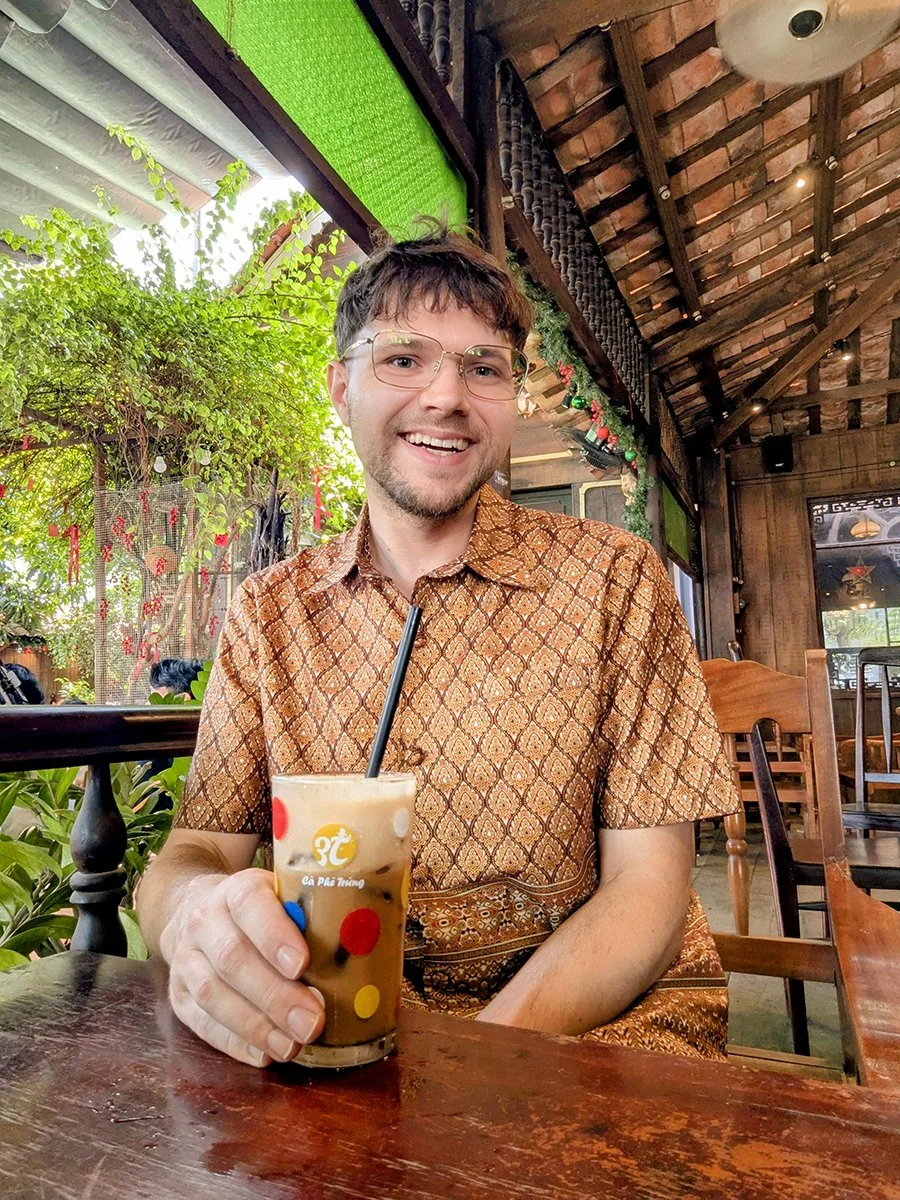
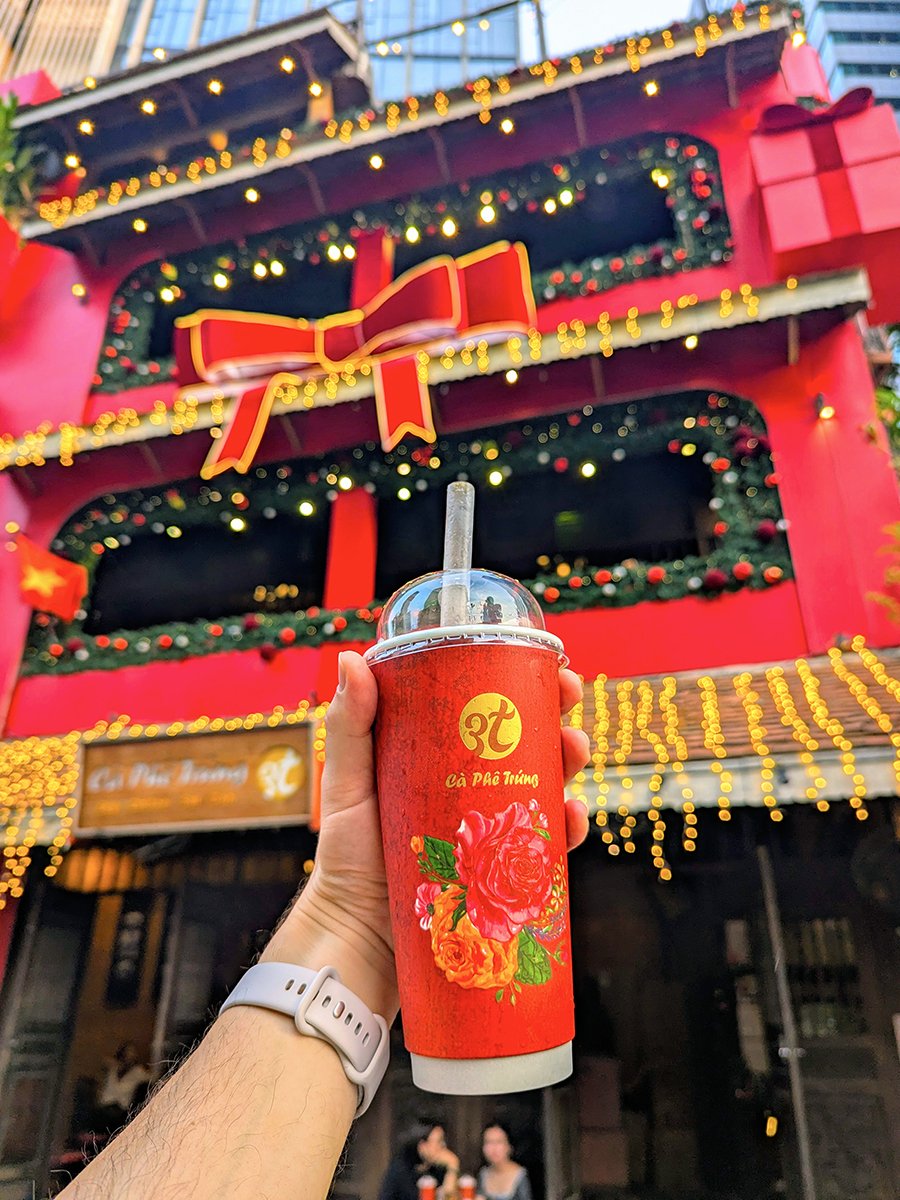
Most notably, Vietnam is one of the world’s largest coffee producers. Compared to the more common Arabica, local Robusta coffee is higher in caffeine and bolder in flavor. I recommend the Saigon-based drink chain Cà Phê Trứng 3T, offering nostalgic charm and seasonal decorations. Their egg coffee is especially satisfying — intense, rich, and velvety!
As for alcohol, I was excited to visit The Deck Saigon, which appears in Hong Khaou’s film Monsoon (2019). Though pricey, it’s perfect for a lazy afternoon or romantic evening. I also enjoyed Ủ Bar in District 1, which serves cocktails crafted by talented bartenders.
Finally, the three-storied Phở Museum — Vietnam’s first culinary museum — opened shortly after my visit. The immersive experience looks like a must-visit for food lovers!
War Remnants Museum
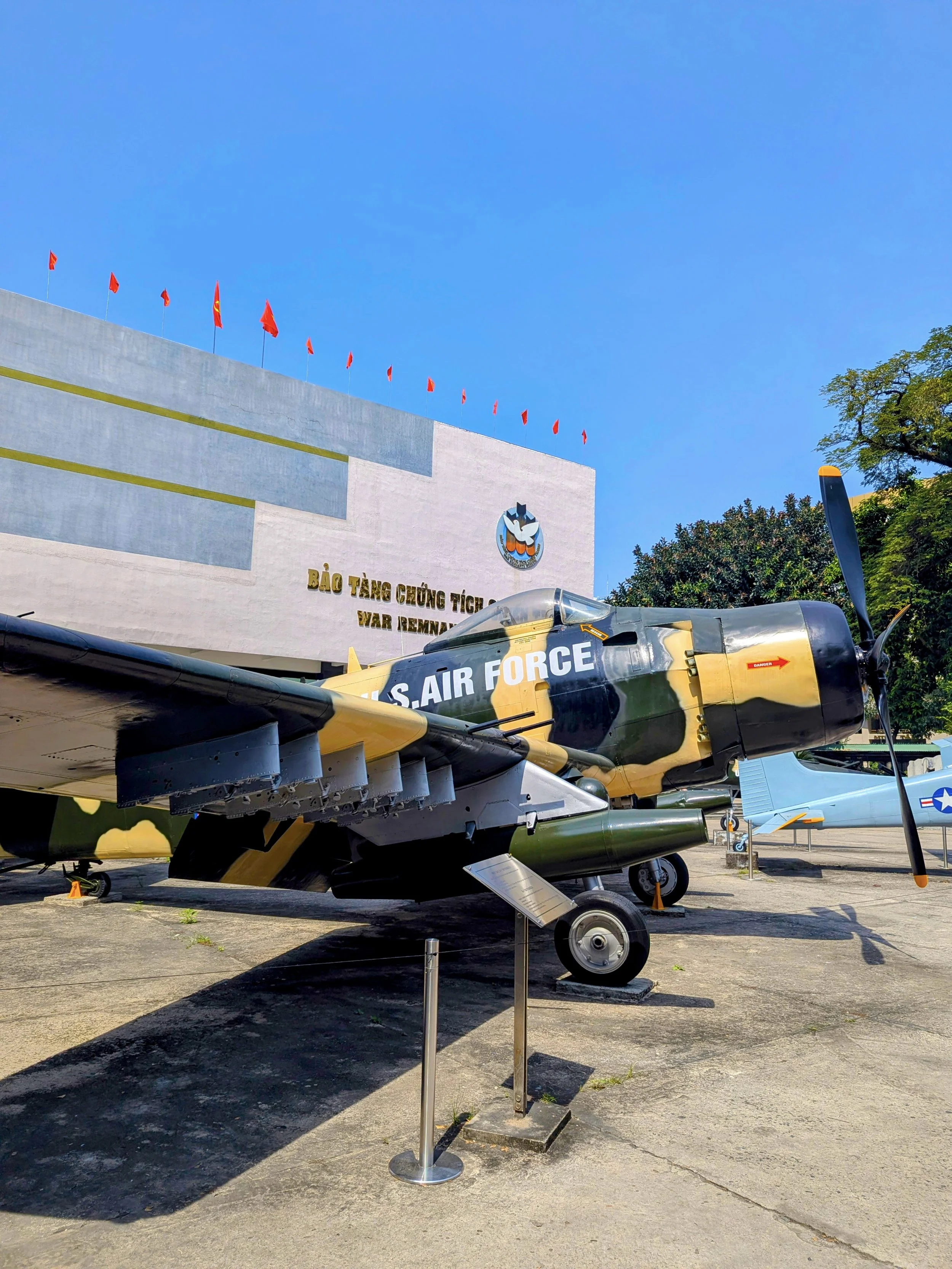
Saigon’s most important and haunting attraction is the War Remnants Museum, established in 1975 to memorialize the Vietnam War (Resistance War against America) which began in 1955.
Spanning three floors, the collection includes military equipment, prison cells, and extensive documentary photographs. Among them is the horrific “Napalm Girl”, depicting a screaming Phan Thị Kim Phúc. Photographed by Huỳnh Công “Nick” Út, it’s one of the most impactful images of the 20th century.
Beyond battlefield casualties, the United States sprayed tens of millions of liters of herbicides such as Agent Orange, causing widespread environmental damage and severe health impacts on Vietnamese people, U.S. combatants, and their descendants.
As an American, I was deeply disturbed and humbled walking through the museum. The exhibitions render the destruction and consequences of the conflict with unflinching clarity. While the U.S. has funded cleanup and assistance programs, no formal reparations have been issued.
Architecture in Saigon
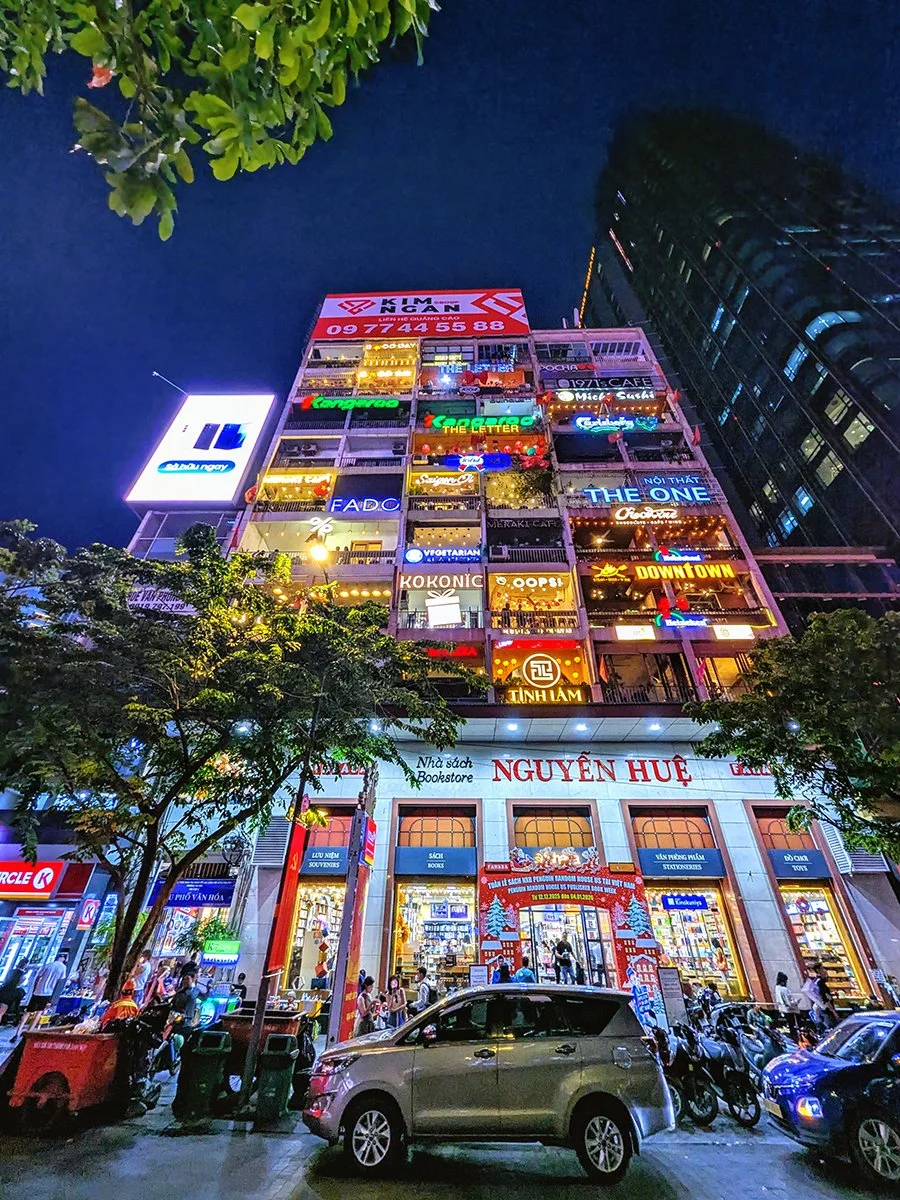
One of my favorite experiences in Saigon was simply walking through District 1 and admiring the cityscape. From the Beaux-Arts People’s Committee Building (City Hall) to the utilitarian Café Apartment (along Nguyễn Huệ Waking Street), HCMC reflects colonial ambition, postwar modernism, and contemporary experimentation.
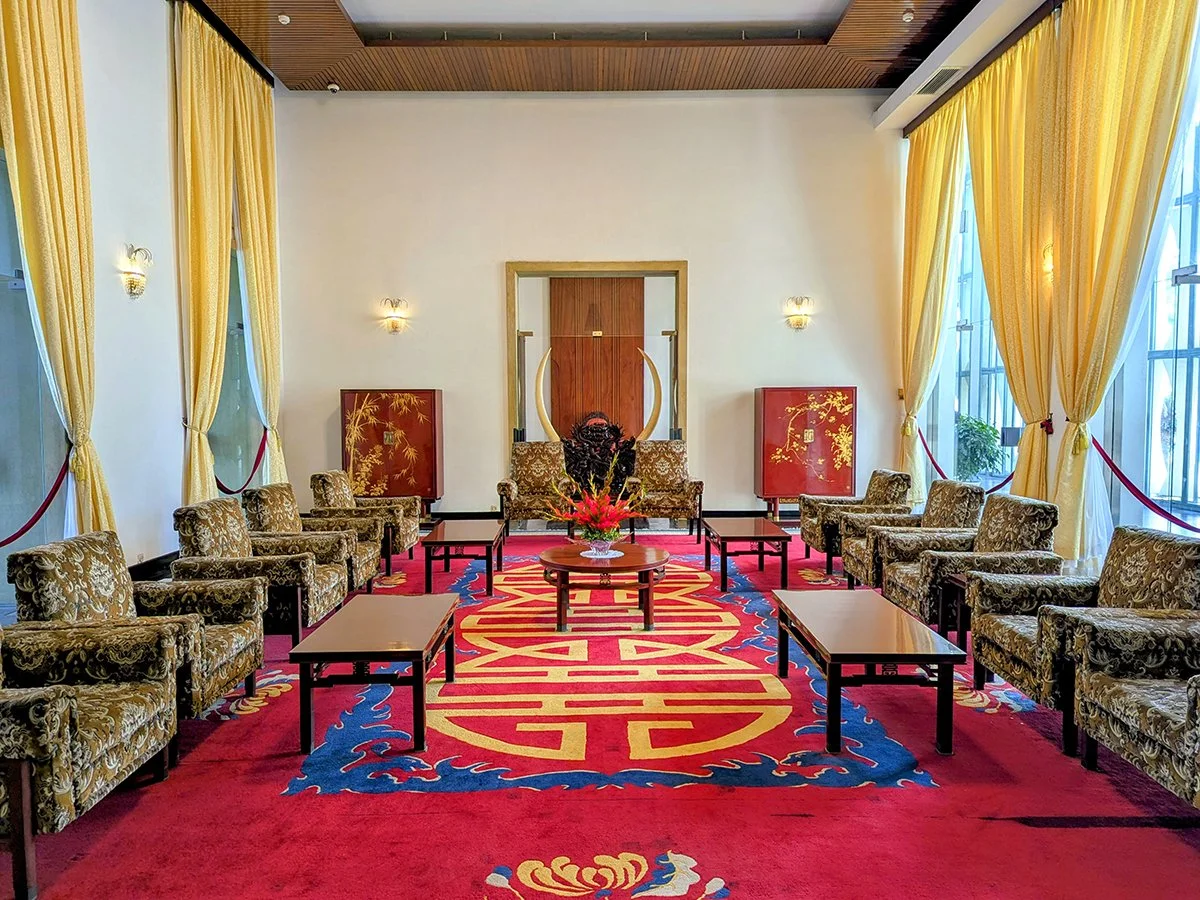
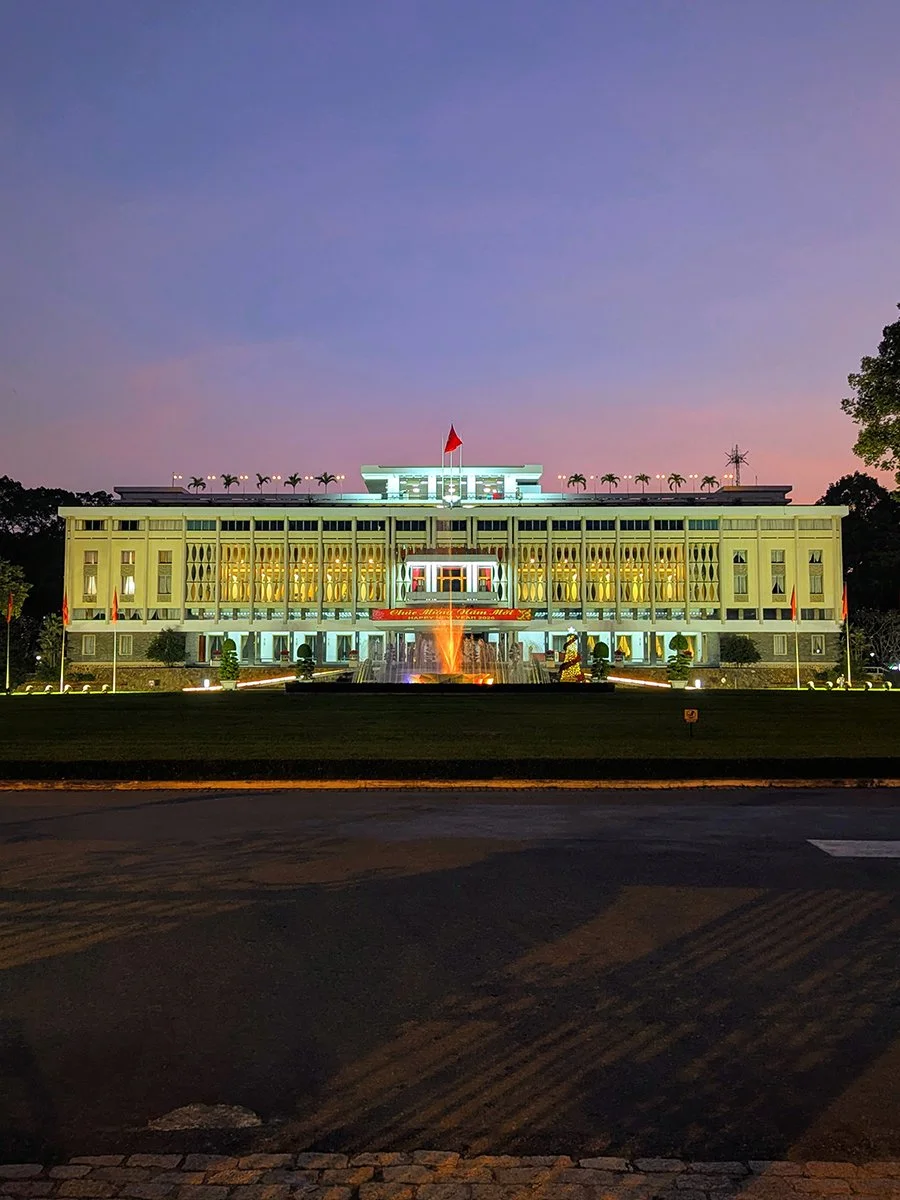
For architecture lovers, the Independence Palace is an essential stop. Designed by Ngô Viết Thụ, the historic landmark is hailed as one of Southeast Asia’s finest examples of modernist architecture, perfectly adapted to local context. Still fully-furnished, it’s a beautiful time capsule from late 1960s Saigon.
The Notre Dame Cathedral of Saigon is currently closed to tourists for renovations expected to last through 2027. While many other historic buildings suffer from limited maintenance, their beauty endures. Highlights include the ornate Saigon Opera House, the former Art Deco residence that now houses the Ho Chi Minh City Museum of Fine Arts, and the lush Mặn Mòi restaurant near Tao Đàn. A full list follows.
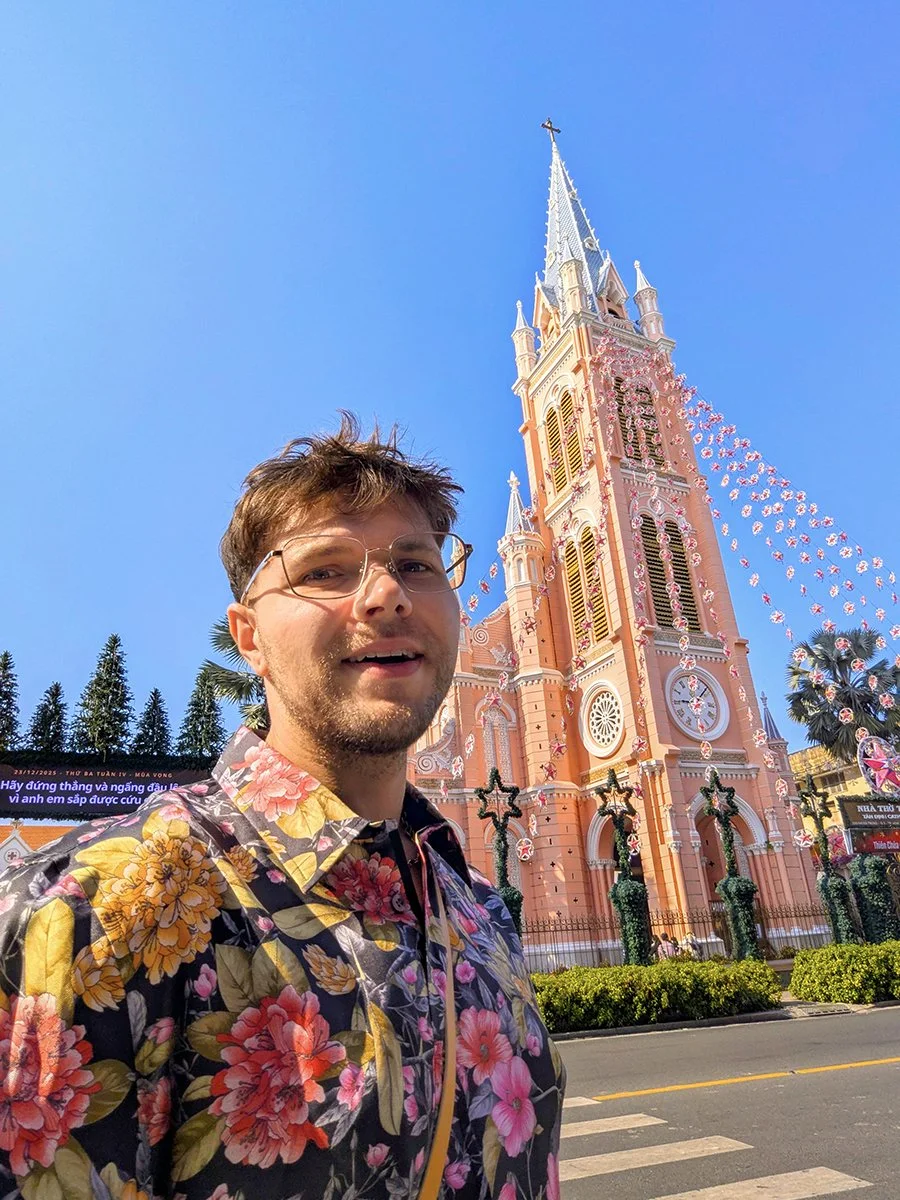
Tân Định Catholic Church (1876)
Notre Dame Cathedral of Saigon (1880)
Ho Chi Minh City Museum (1890)
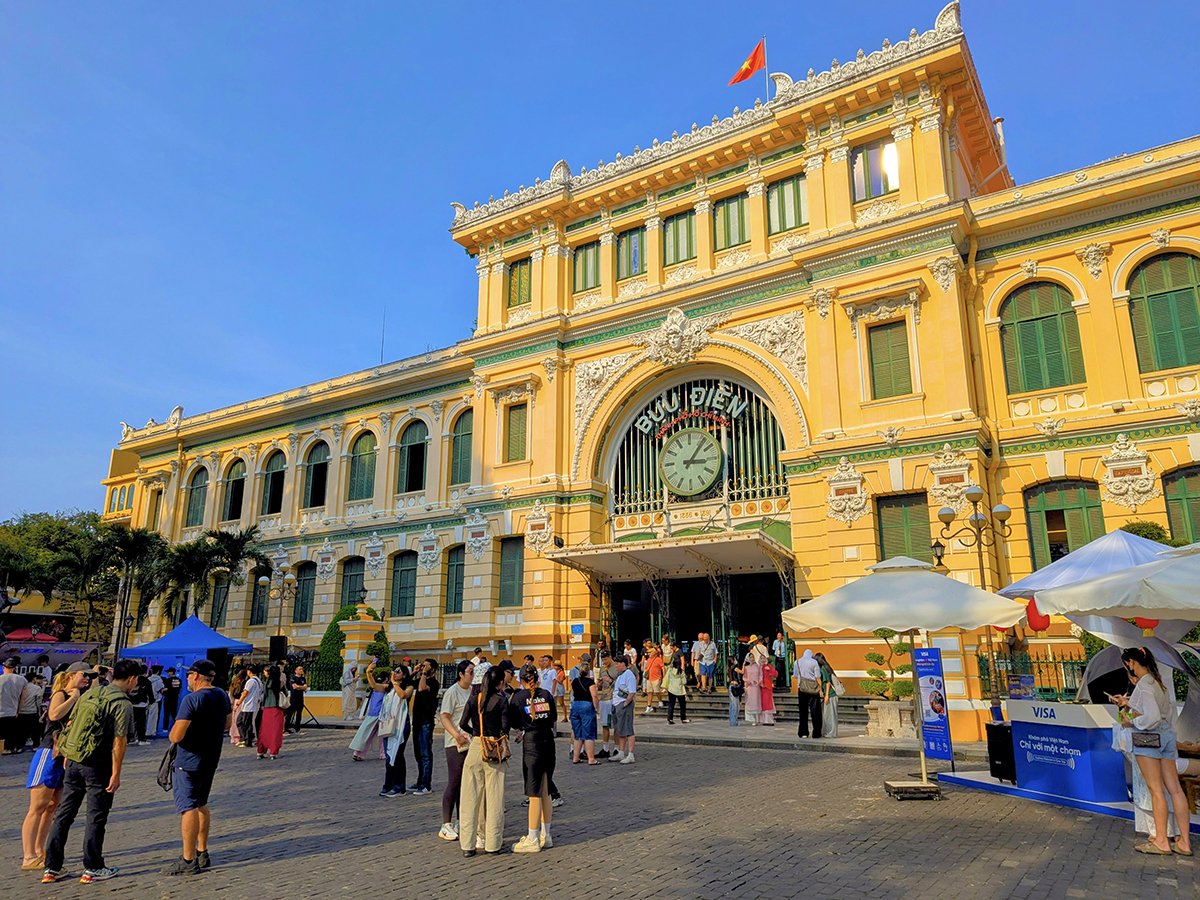
Saigon Central Post Office (1891)
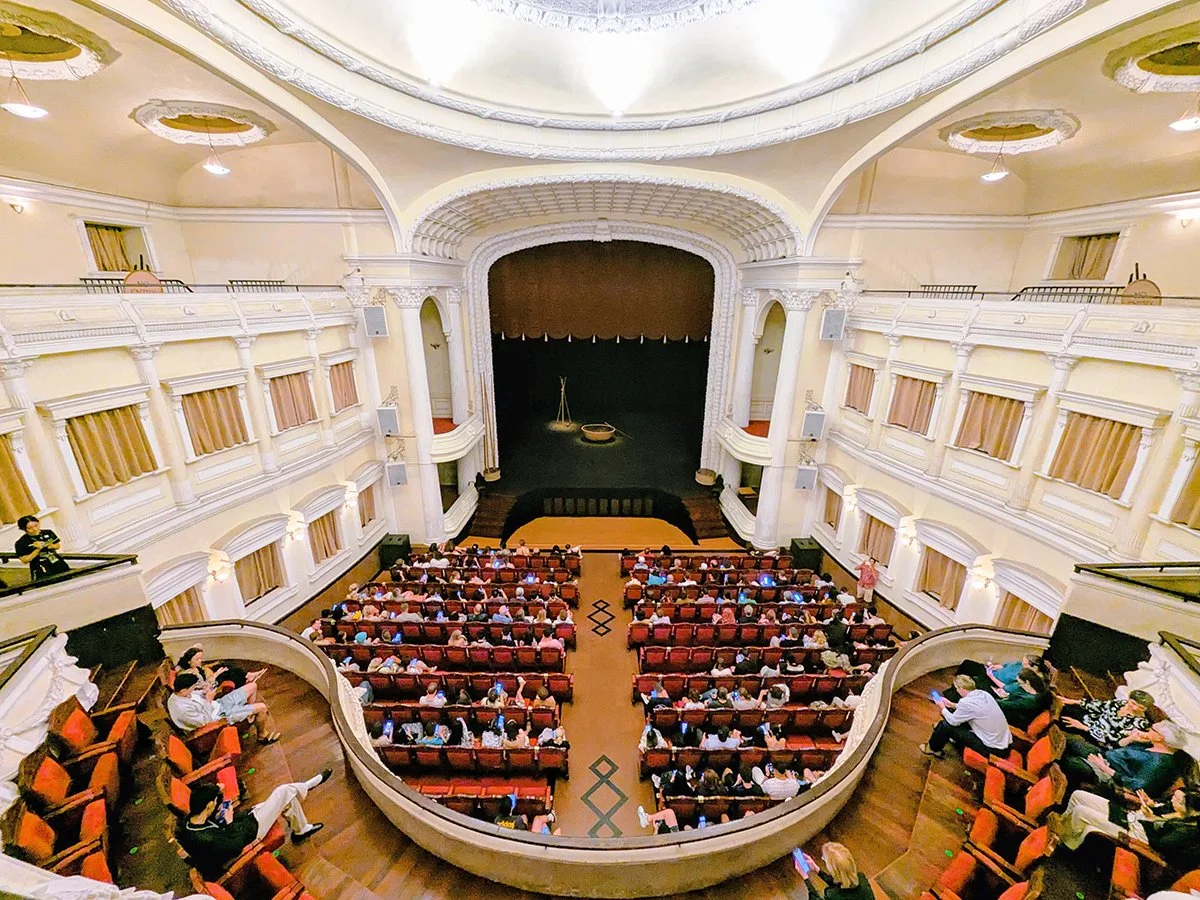
Saigon Opera House (1898)
People’s Committee Building (1908)
Bến Thành Market (1914)
Ho Chi Minh City History Museum (1929)
Ho Chi Minh City Museum of Fine Arts (1934)
Café Apartment (circa 1960s)
Independence Palace (1966)
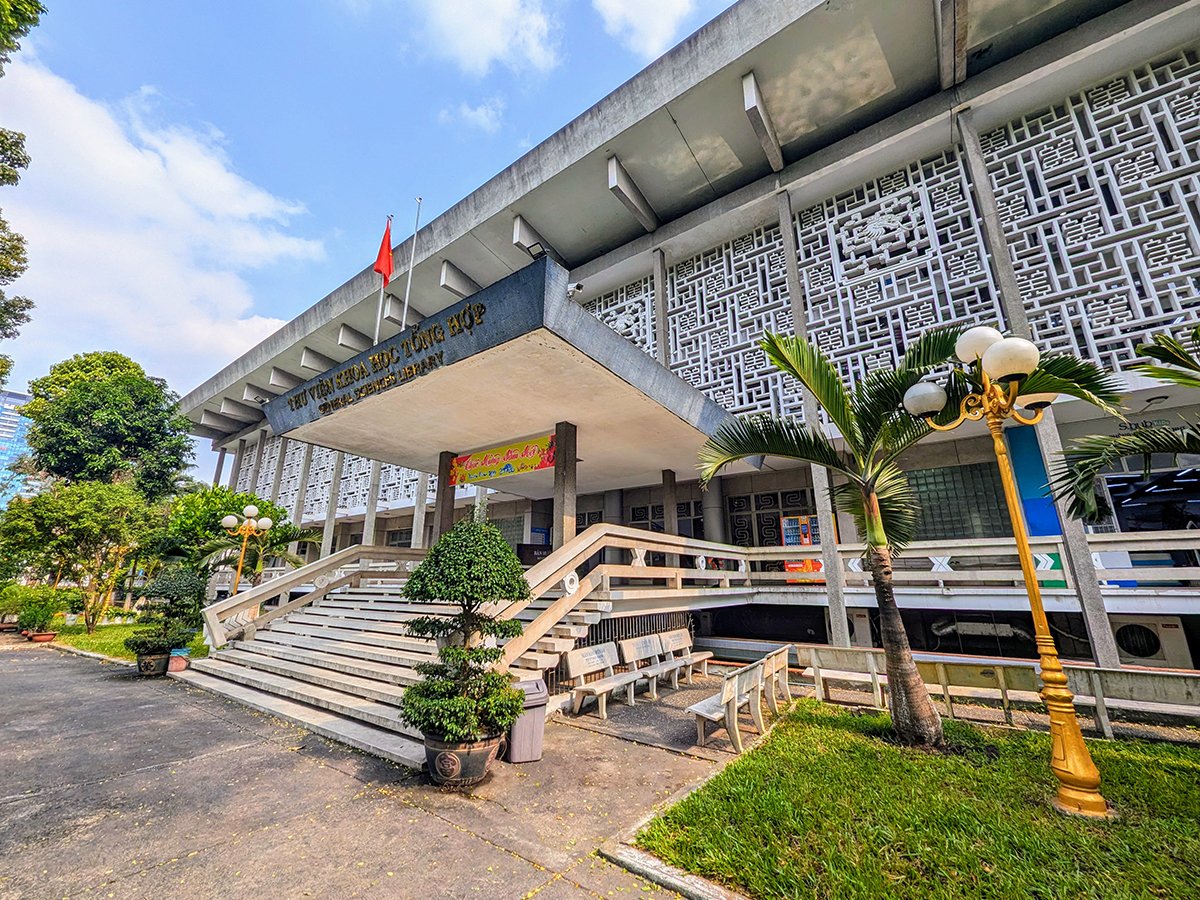
Ho Chi Minh City General Sciences Library (1971)
Mặn Mòi – Tao Đàn (circa 2010s)
Vincom Landmark 81 (2018)
Ba Son Bridge (2022)
Entertainment & Activities in Saigon
For live entertainment, I suggest catching a performance at the colonial-era Saigon Opera House. The most frequently staged production is the À Ố Show, a variety show with bamboo props and acrobatics. It’s worth the splurge for seats closer to the stage.
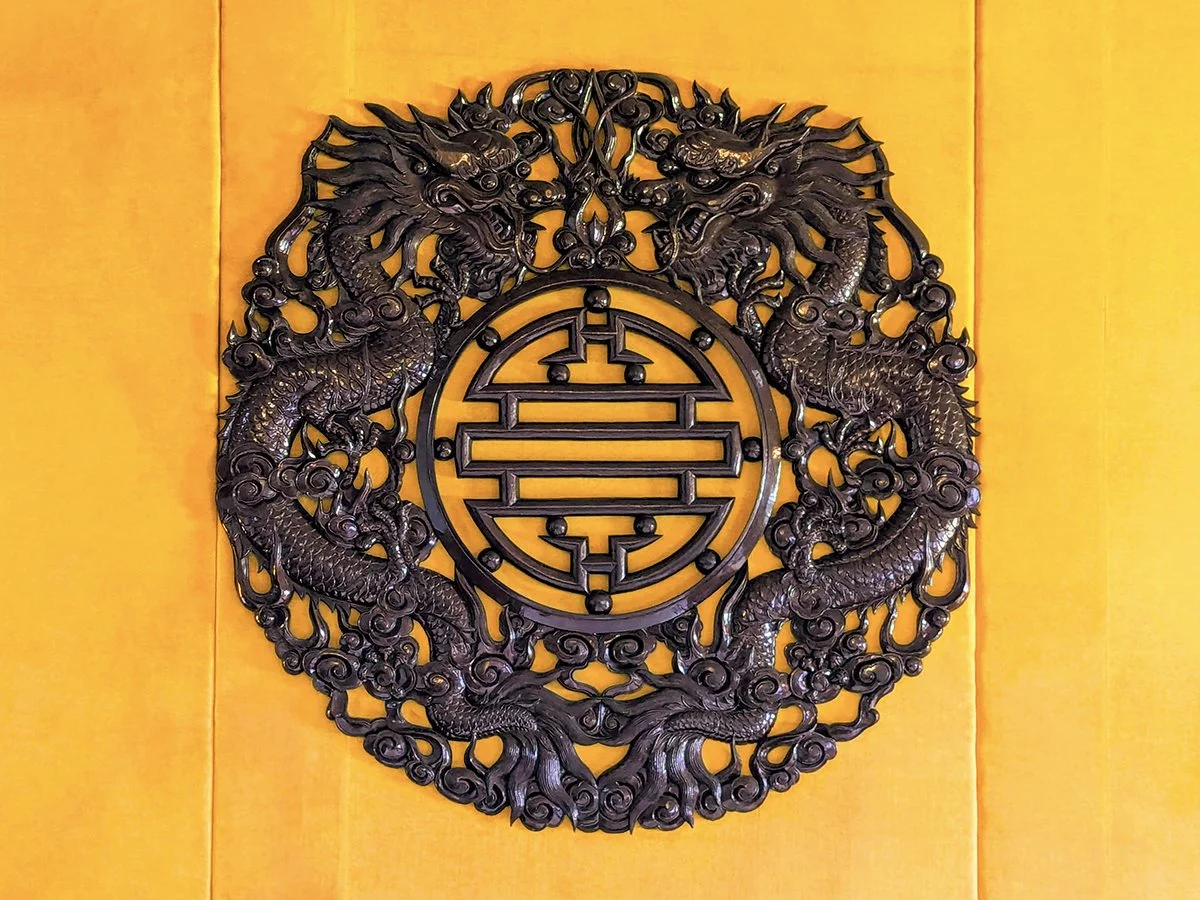
Saigon is also an excellent place to experience Vietnamese water puppetry, a traditional folk art from the Red River Delta. The mesmerizing show at the Golden Dragon Water Puppet Theater was a highlight of my visit, featuring live musicians, dramatic splashing and a lively pyrotechnic finale.
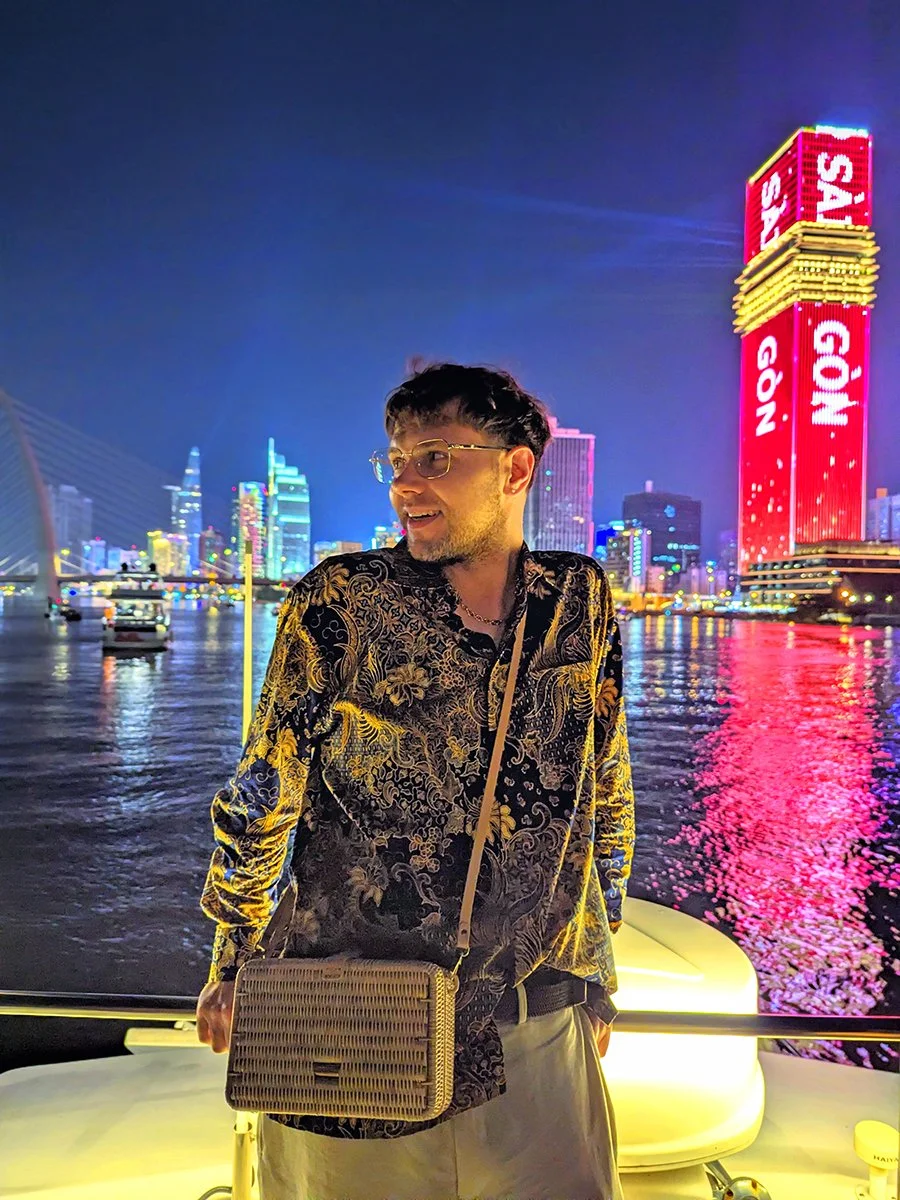
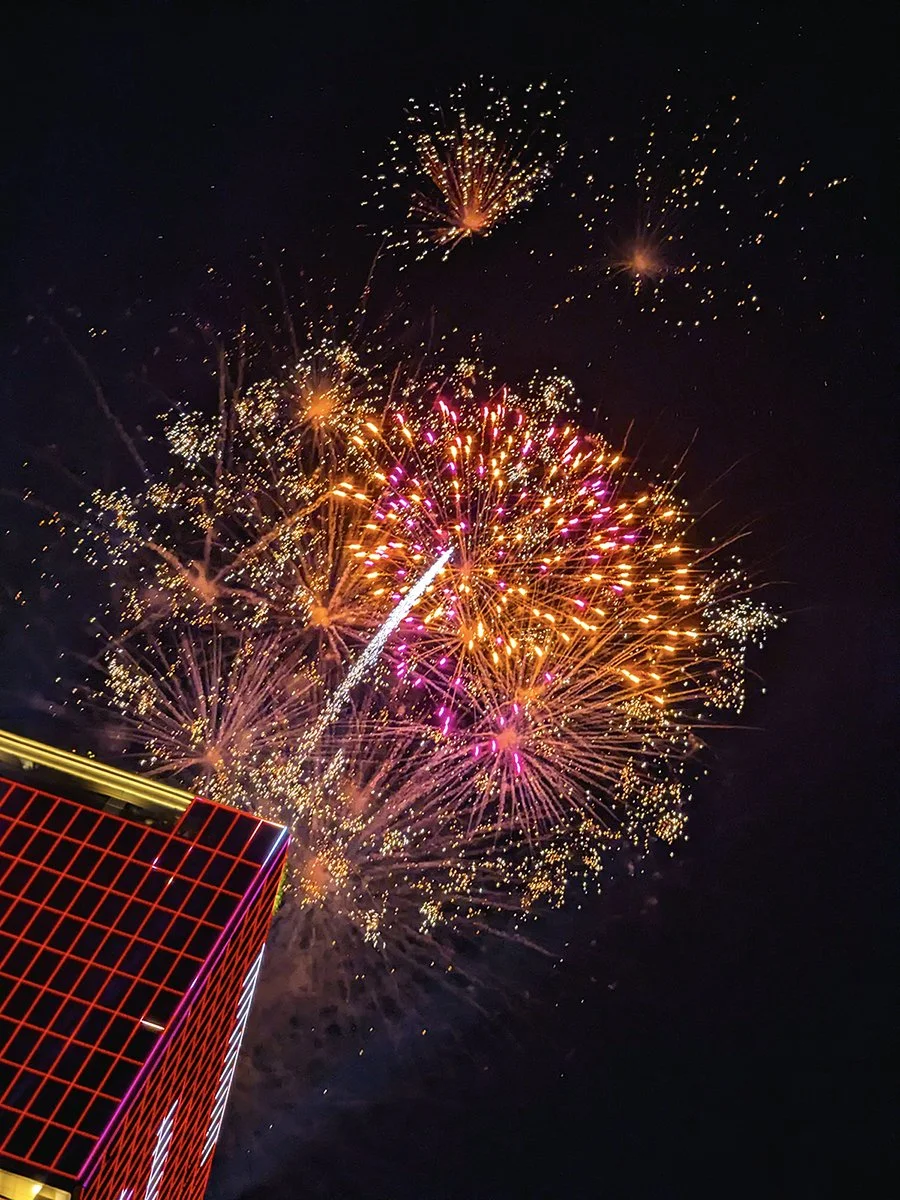
A cruise along the Sài Gòn River offers a relaxing break from the city’s intensity. The most affordable option is the Saigon Waterbus which runs from central Bạch Đằng Wharf past Bình An. For a more comfortable experience, consider a dedicated sightseeing boat. I especially enjoyed my luxury New Year’s Eve cruise with Les Rives.
Massages are also affordable and widely available throughout the city. I recommend Ashikatahonpo in Japan Town, which offers a wide range of professional services starting from just 30 minutes.
Art & Museums in Saigon
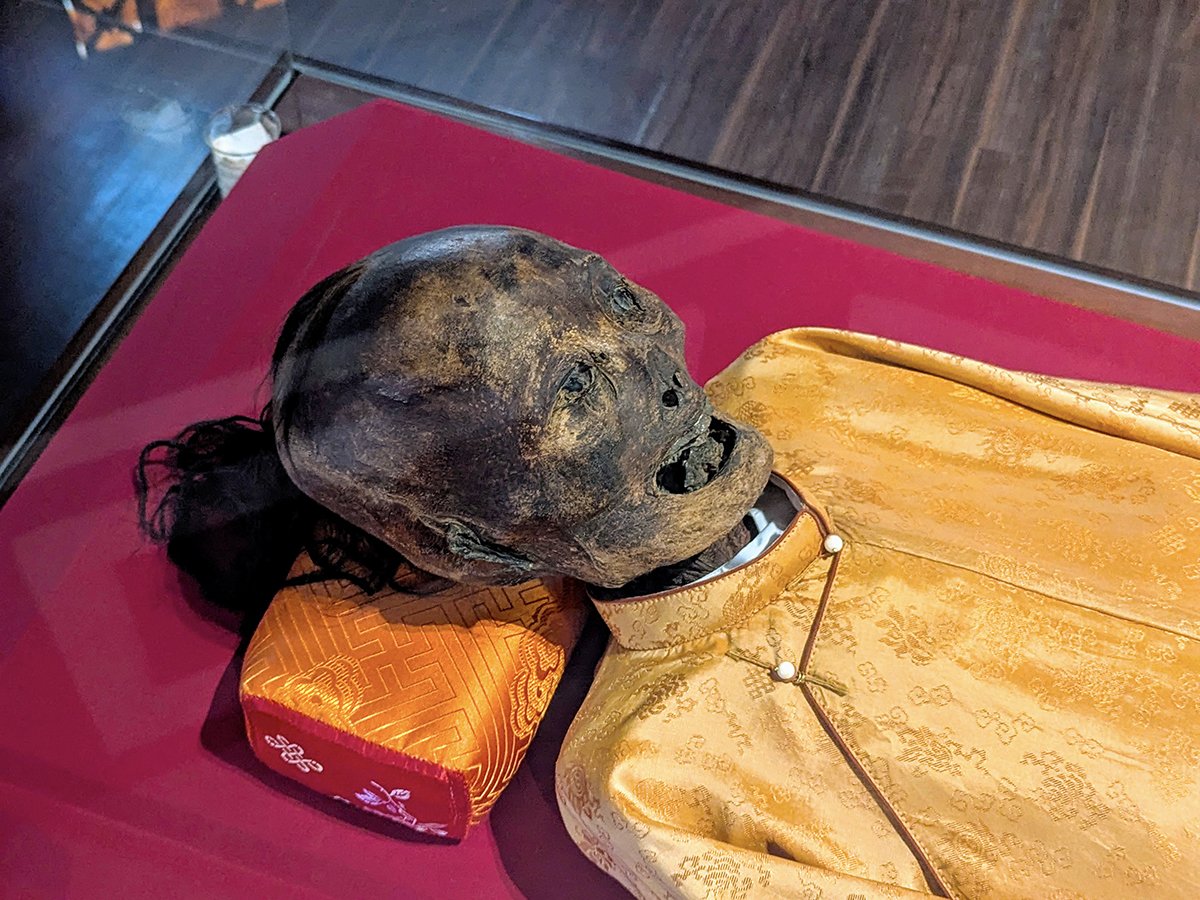
Art enthusiasts should start at the Ho Chi Minh City Fine Arts Museum. Housed in an stately French-era residence, the comprehensive collection spans paintings, sculptures, and wartime sketches. I was especially impressed by the work of Nguyễn Gia Trí, widely regarded as the nation’s greatest lacquer artist. For historical artifacts, visit the HCMC History Museum, home to the 19th century Xóm Cải aristocrat mummy.
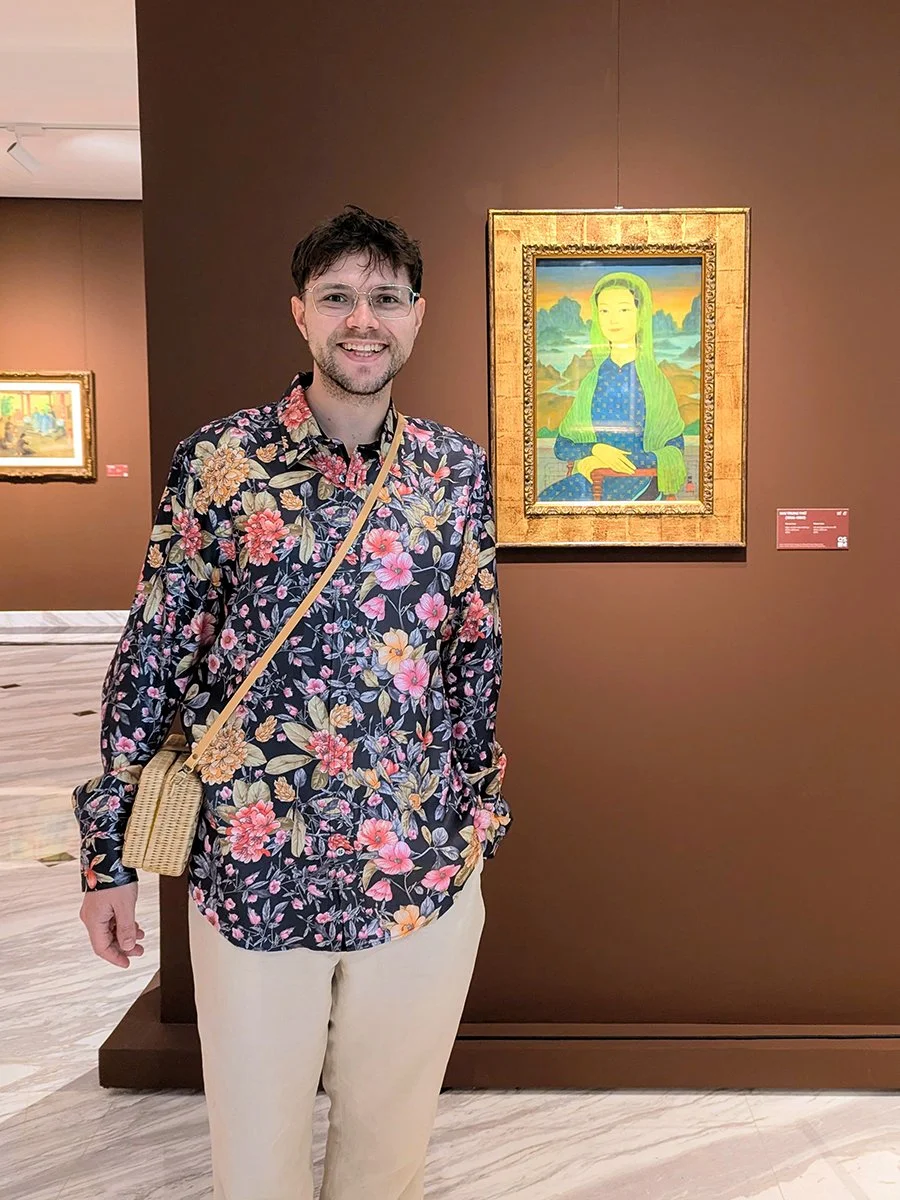
I highly recommend a pilgrimage to the private Quang San Art Museum in District 2, which houses Vietnam’s Mona Lisa by modern master Mai Trung Thứ. On delicate silk, Thứ depicts a noblewoman in traditional áo dài set against the dreamlike landscape of Ha Long Bay in northern Vietnam. It’s my favorite Da Vinci homage — and I’ve seen many.
Saigon’s contemporary scene is more dispersed, spread across small independent spaces throughout the city. I suggest starting with Gallery Medium, where I encountered work by celebrated artists Điềm Phùng Thị and Đặng Thị Khuê.
Shopping & Souvenirs in Saigon
As Vietnam’s largest city, Saigon is called the nation’s shopping capital, offering everything from local crafts to international luxury goods. Classic Vietnamese souvenirs include conical palm-leaf hats, lacquerware, and local coffee. I suggest stopping by OHQUAO, a stationery and concept store known for stickers, posters, and postcards.
I explored a wide range of local streetwear shops, but found myself frustrated by inconsistent craftsmanship and limited information about materials. For determined shoppers, I recommend starting at centrally-located concept mall The New Playground.
Fortunately, I stumbled upon Metiseko, a wonderful slow-fashion brand specializing in organic cotton and mulberry silk. Their clothing is beautifully made and the staff were equally impressive — going so far as to rush-order a jacket in my size.
Transportation & Accommodation in Saigon
Saigon is served by Tan Son Nhat International Airport (SGN), just a half hour from downtown by car. Immigration is notoriously slow, so I recommend budgeting an additional hour when arriving or departing on international flights. It is expected to be replaced by the new Long Thanh International Airport (LTH), opening 2026.
Most hotels are concentrated around District 1, the city’s walkable central area home to many major sights. Walking can be intimidating as sidewalks are often obstructed and pedestrian signals are limited. To cross streets, pedestrians must move with confidence through the chaos. The key is to walk at a consistent and predictable speed. Do not run!
The city’s public transportation consists mainly of buses. Taxis and motorbikes are inexpensive and easy to use via ride-hailing app Grab. Pro-tip: wear a mask to protect against diesel fumes and dust, especially during peak traffic hours.
Vietnam Practical Information
The national language is Vietnamese, which is rendered in Latin script (quốc ngữ). English is limited outside tourist-facing businesses. In Vietnamese, “thank you” is cảm ơn. Tap water is not considered safe to drink. Cash is often necessary for street vendors and small businesses. The local currency is the Vietnamese đồng (VND). Note: U.S. citizens require a visa to enter Vietnam.
Tropical Saigon is most comfortable during the dry season (December to April), when humidity and rainfall are lower. I recommend spending at least two days in the city, with an additional day for a trip to the Củ Chi Tunnels and/or Mekong Delta.
Gay Travel & Nightlife in Saigon
In Vietnam, same-sex relations are legal, although same-sex marriage is not recognized and there are no comprehensive national anti-discrimination protections. Social attitudes in major cities are generally tolerant, but I suggest avoiding public displays of affection — Sài Gòn Pride was cancelled in 2025 for unclear reasons.
Saigon has a small but lively queer scene. I especially enjoyed Frolic Bar, known for its energetic atmosphere, go-go dancers, and frequent drag shows. Other gay venues include NaDam Spa and Azure Pool & Bar, which hosts regular pool parties, though I didn’t personally visit either.
Top Attractions in Saigon
War Remnants Museum
Nguyễn Huệ Walking Street
Independence Palace
Quang San Art Museum
Saigon Opera House (À Ố Show) RESERVE
HCMC History Museum
Golden Dragon Water Puppet Theater RESERVE
Saigon River Cruise
Notre Dame Cathedral (renovations through 2027)*
Phở Museum (opened 2026)*
Củ Chi Tunnels*
*I didn’t visit these attractions.