Heisenji: Fukui’s Moss Temple
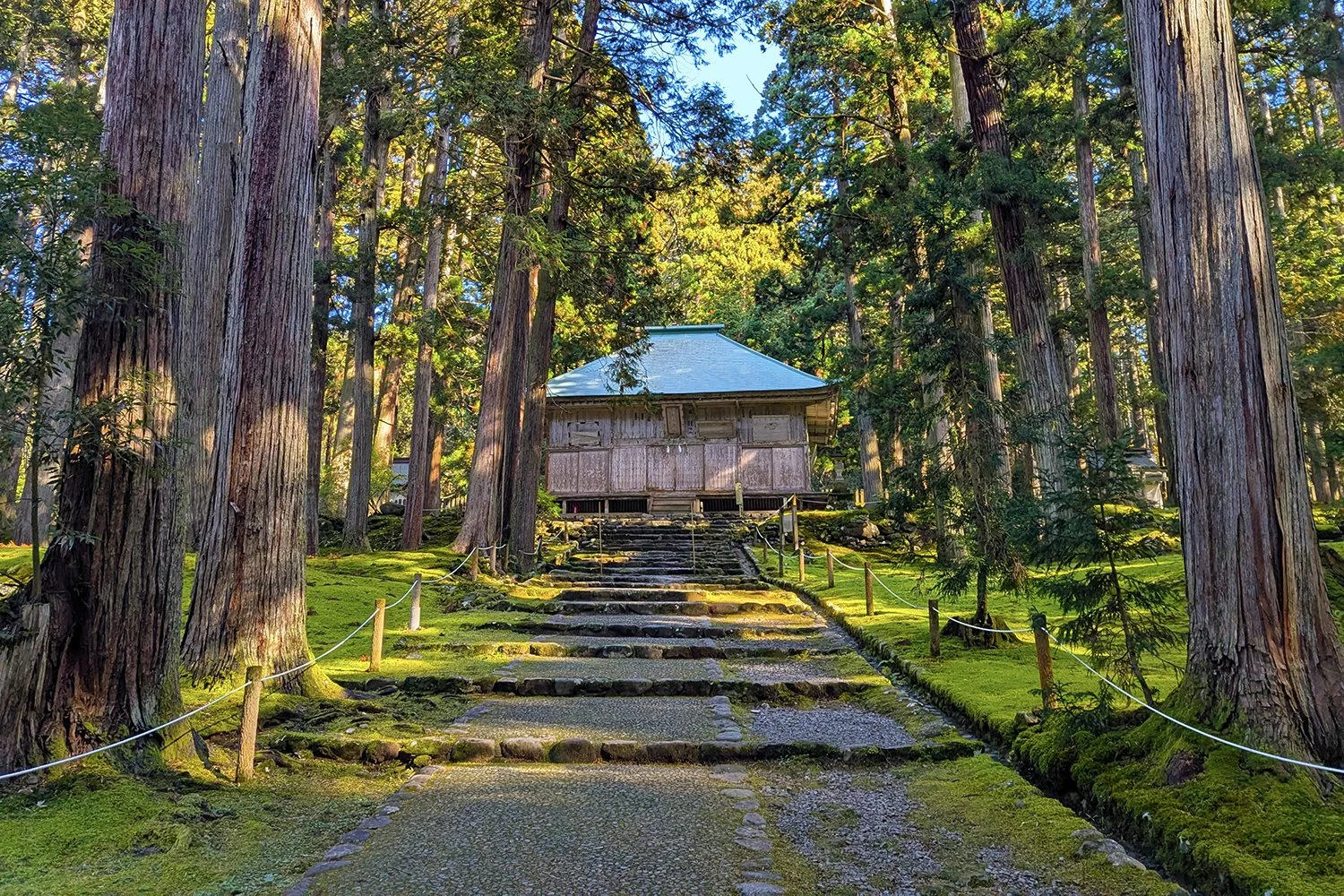
The mossy shrine is famous for serene nature.
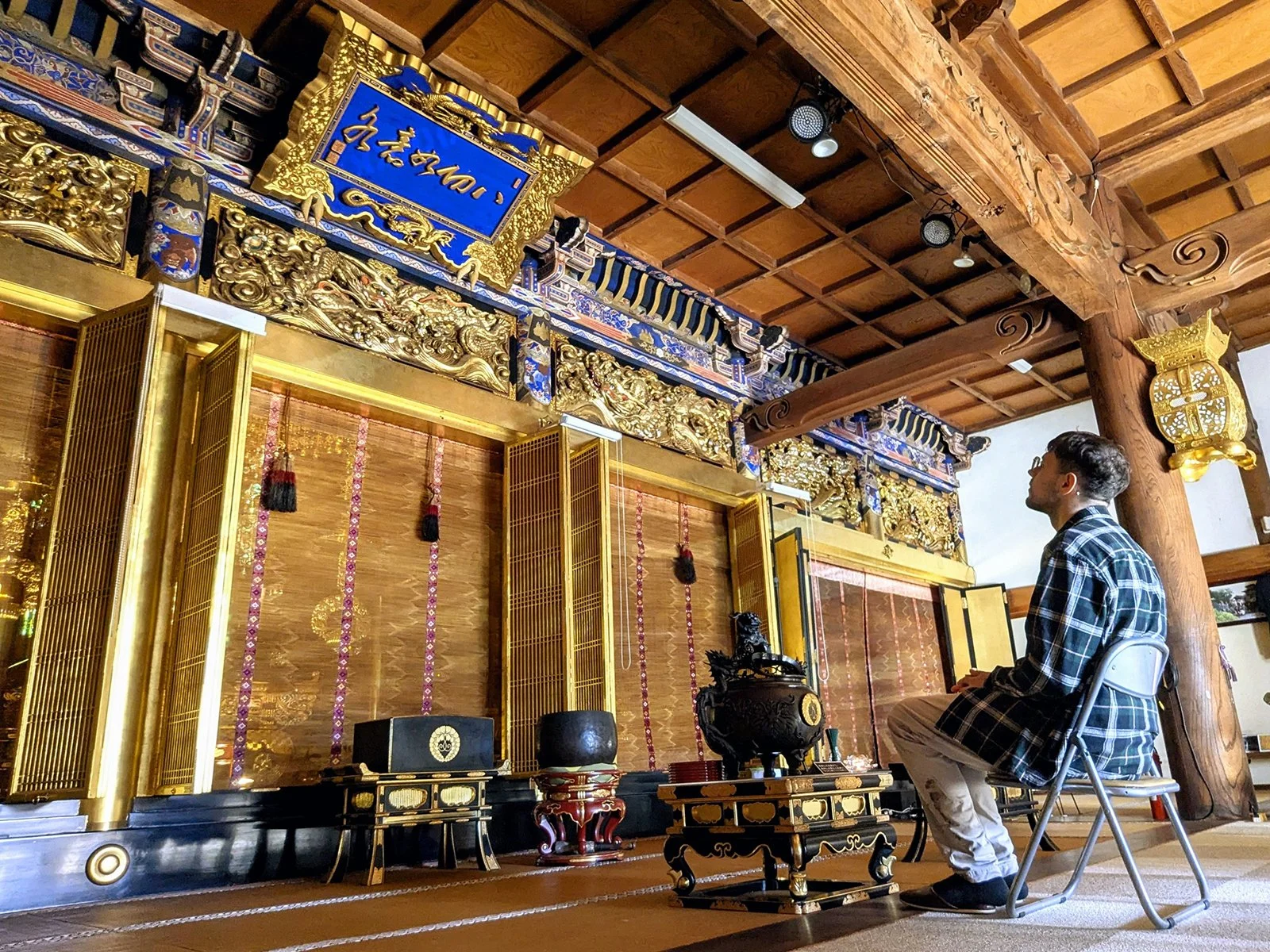
Cover photo: Heisenji’s Edo-era worship hall in fall, Katsuyama City, Fukui Prefecture, Japan (2025). Photo by Danny With Love.
Heisenji Hakusan Shrine
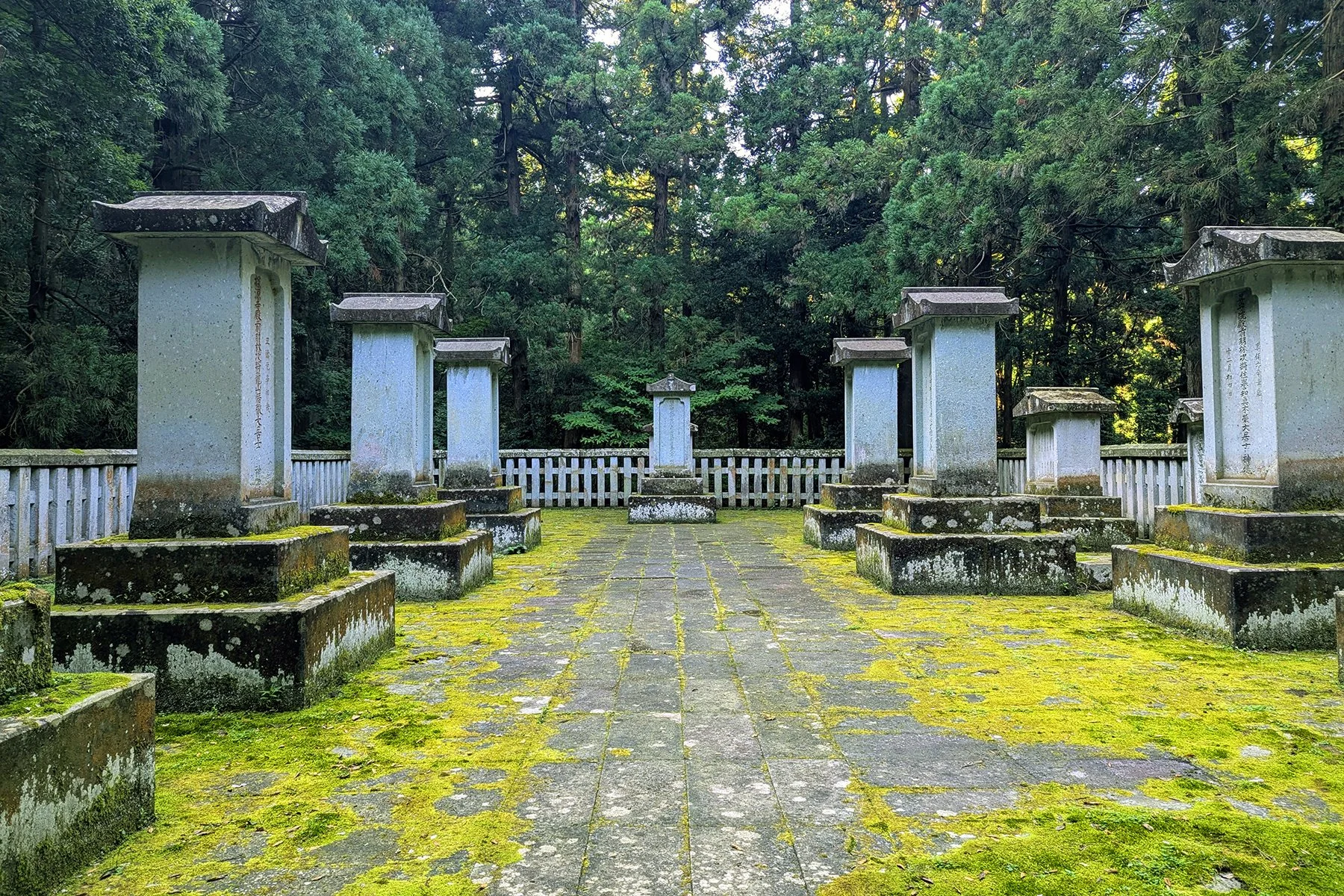
Located in Katsuyama City, Heisenji Hakusan Shrine (平泉寺白山神社) is the oldest temple on holy Mount Haku (Hakusan). Once a vast monastic city, today Heisenji is famous for its mossy grounds and tranquil atmosphere. It’s one of Japan’s best moss spots and one of my favorite places in Fukui Prefecture!
Wabi-Sabi Wellness
Heisenji was recommended to me by my school’s vice principal. He praised it as a place to experience wabi-sabi (侘び寂び), a Japanese concept which loosely translates to “the beauty of modest imperfection.”
Wabi-sabi has been gaining attention overseas, particularly through the lens of mental well-being. American psychologist Mark Travers calls it an “antidote” to perfectionism, encouraging a compassionate view of ourselves and our world.
Heisenji’s humble setting of centuries-old cedar trees, aged structures, and moss-covered scenery perfectly exemplifies this concept. It’s a quiet and peaceful spot, worn, weathered and wonderful.
About Heisenji Hakusan Shrine
What kind of place is Heisenji anyway? Is it a Shinto shrine or a Buddhist temple? This question has confused many visitors, myself included. The Japanese suffix ji (寺) typically denotes a Buddhist temple yet there are many Shinto torii (gates)! So, which is it?
In fact, Heisenji boasts a legacy of syncretism, blending a variety of beliefs. The site was founded in 717 AD by Taicho Daishi (泰澄大師) — a local Buddhist priest and practitioner of Shugendo (mountain worship) — after he experienced a divine revelation from Shinto goddess Izanami-no-Mikoto (伊奘册尊). It was one of three starting points for pilgrimages onto holy Hakusan.
Eventually Heisenji evolved into a sprawling Buddhist complex, the largest religious city in Japan. During its peak around the Sengoku (“Warring States”) period, the temple grounds covered most of modern-day Katsuyama, housing some 8,000 warrior monks!
In 1574, the temple complex was destroyed by rival Buddhist group Ikko-ikki (一向一揆). It was rebuilt in the Edo period at a fraction of its former scale. Finally in 1868, Emperor Meiji ordered the separation of Shinto and Buddhism. That’s why Heisenji serves as a Shinto site today and how it came to be a rare example of a shrine with a temple name.
Heisenji Hakusan Shrine was declared a National Historic Site in 1935 and incorporated into Hakusan National Park in 1962. Excavations began in the 1989 but have only covered about 1% of the shrine area.
Visiting Heisenji Hakusan Shrine
Heisenji is beautiful year round, but it’s most beautiful in rainy season, around June/July. There are over 200 species of moss! The most common type is Japanese cypress moss (hinokigoke). It’s stunning when light filters through the trees. Please stay on marked paths, as moss is rootless and delicate.
The Hall of Worship (Haiden) is closed year round, with exception of New Year’s Day. Don’t miss the beautiful dragon carvings decorating Gozengamine Shrine, the area’s main shrine, located just behind the Haiden!
Nearby Hakusan Heisenji History Museum Mahoroba is free to visit, but photography is not permitted. The office also offers bear bells for free rental; there has been an increase in bear sightings this year!
Rokusai Cafe
A highlight of visiting Heisenji is nearby matcha cafe ROKUSAI. The new spot opened in August, 2024 in a renovated 130-year-old house. Both modern and cozy, the interior features a spacious tatami room and glass veranda.
Visitors can drink Uji matcha and enjoy exquisite moss-themed desserts, such as their signature “Moss Ball Cheesecake” combining baked and rare cheesecake with bean and citrus paste. With no exaggeration, it’s one of my favorite desserts I’ve ever tried, Japan or elsewhere.
The name ROKUSAI refers to a poem by Wang Wei (王维) from the Chinese Tang Dynasty. It reads, in part, “The setting sun shines through the deep forest, and lights up the green moss.”
ROKUSAI is open Thursday through Sunday, from 10:00 to 17:00 (5:00 PM). Note: ROKUSAI is closed in winter, from December through February.
Heisenji Access
The grounds of Heisenji Hakusan Shrine are free and open to visit. Genjoin Garden (旧玄成院庭園) requires an entrance fee of 50 yen (about 30 US cents). It’s said to be the oldest-surviving garden in the Hokuriku region!
Hakusan Heisenji History Museum Mahoroba is free and open every day except for the new year holiday season. It’s open from 9:00 to 17:00 (5:00 PM). Last entry is at 16:30 (4:30 PM).
Heisenji Hakusan Shrine can be reached by bus from Katsuyama Station — about 30 minutes. Buses are not frequent, so planning ahead is vital. I recommend pairing a trip with a visit to the nearby Fukui Prefectural Dinosaur Museum and/or Echizen Daibutsu.
Fukui Reporter Disclaimer
As part of the Fukui Reporter program, I am tasked with participating in local events and publicly promoting the prefecture. This is a volunteer position that allows me free entrance to a selection of museums throughout the area, including the nearby Fukui Prefectural Dinosaur Museum and Echizen Daibutsu. The opinions I share are my own.