Travel Guide: Komatsu
The city is famous for heavy machinery, children’s Kabuki, and colorful ceramics.
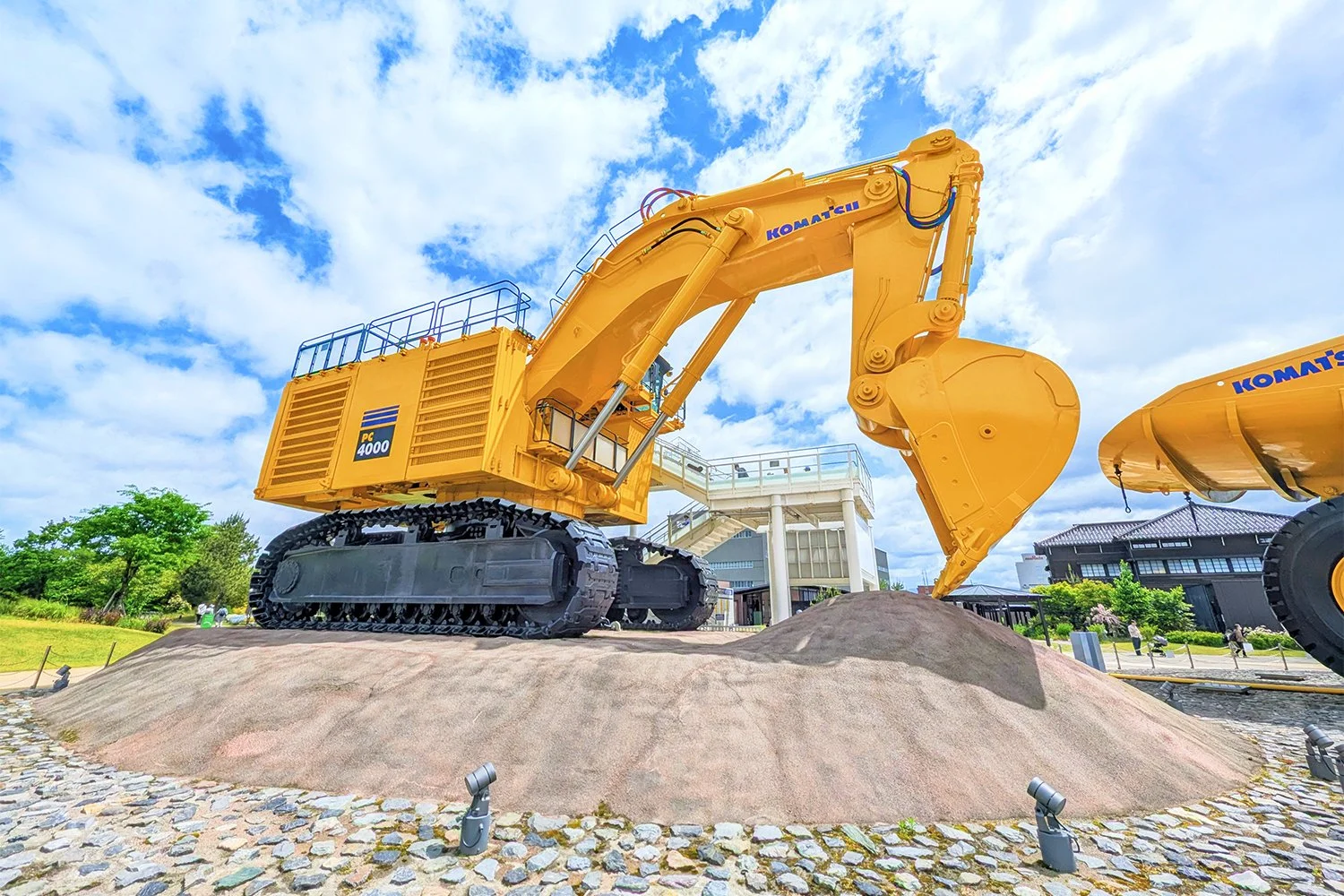
Cover photo: Komatsu PC4000 hydraulic excavator at Komatsu no Mori (Komatsu Green Park), Komatsu, Ishikawa, Japan (2026). Photo by Danny With Love.


Click on an image above for more details.
Intro to Komatsu City
Located between the Sea of Japan and the sacred Hakusan mountain range, Komatsu City (小松市) is known for heavy machinery, Kabuki culture, and Kutani ceramics. The city’s largest event is the spring Otabi Matsuri (お旅まつり), a festival featuring decorated floats and children’s Kabuki.
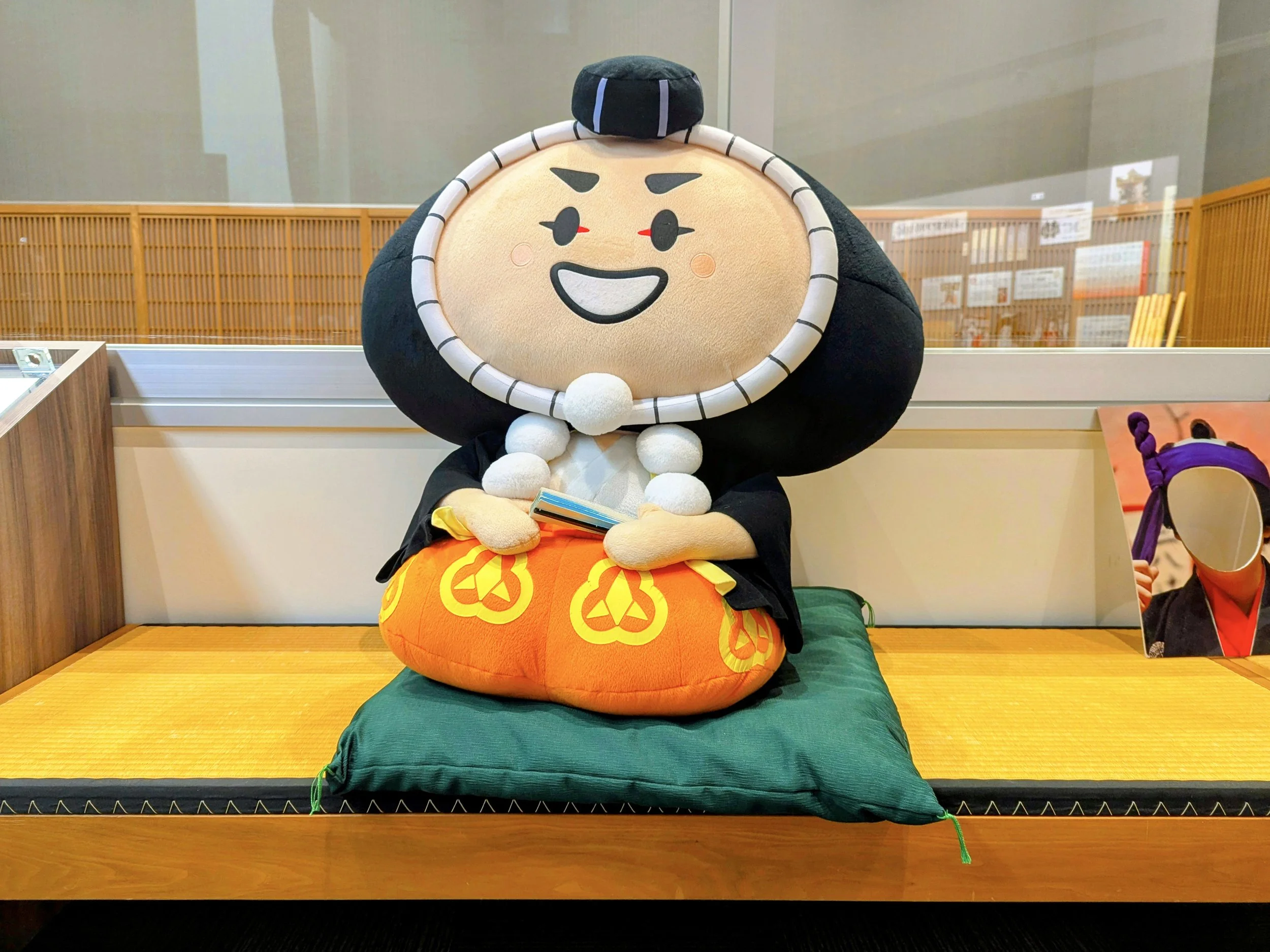
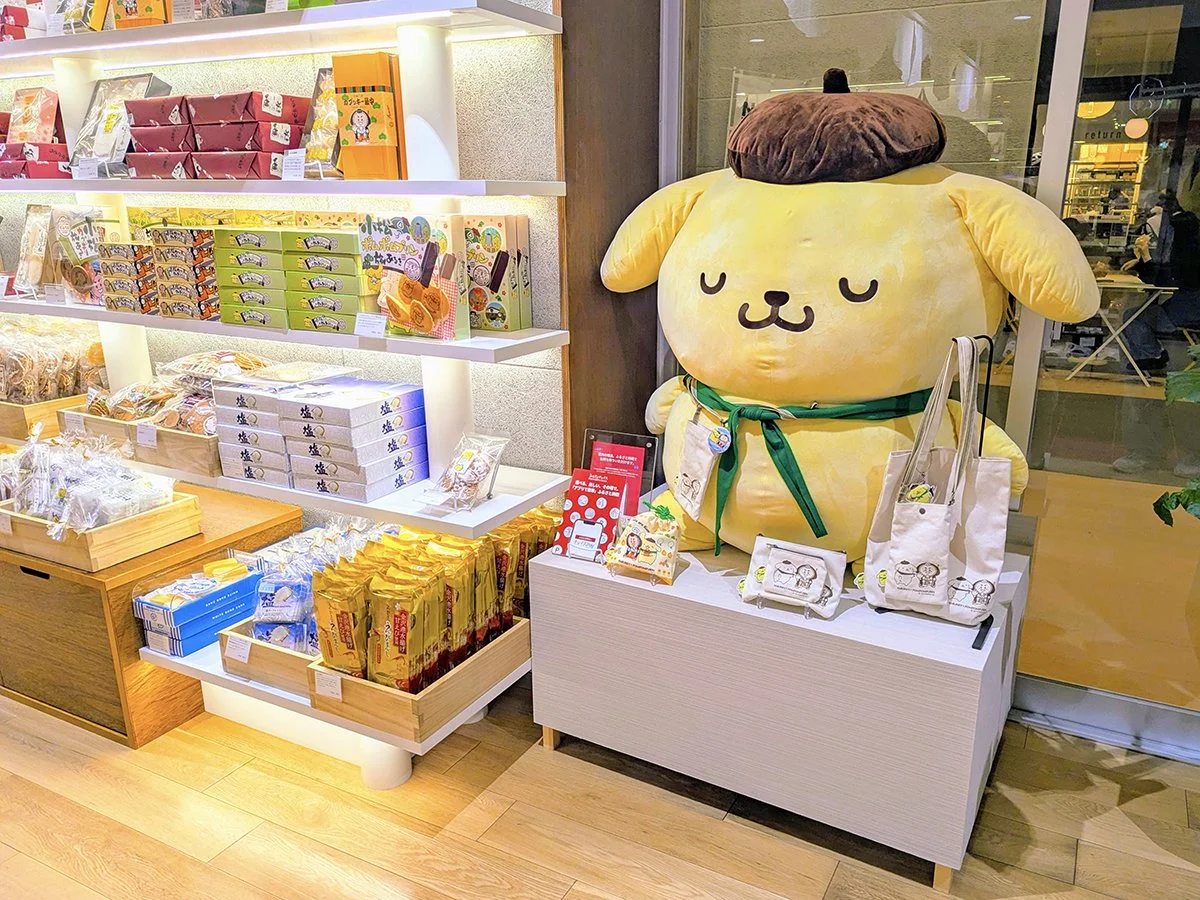
Additionally, Komatsu offers a regional variety of thin udon noodles, locally-caught sushi, and roasted tea. My visit during Otabi Matsuri was especially lively and I was delighted to spot official city mascot Kabukky (カブッキー), alongside Sanrio partner Pompompurin, around town.
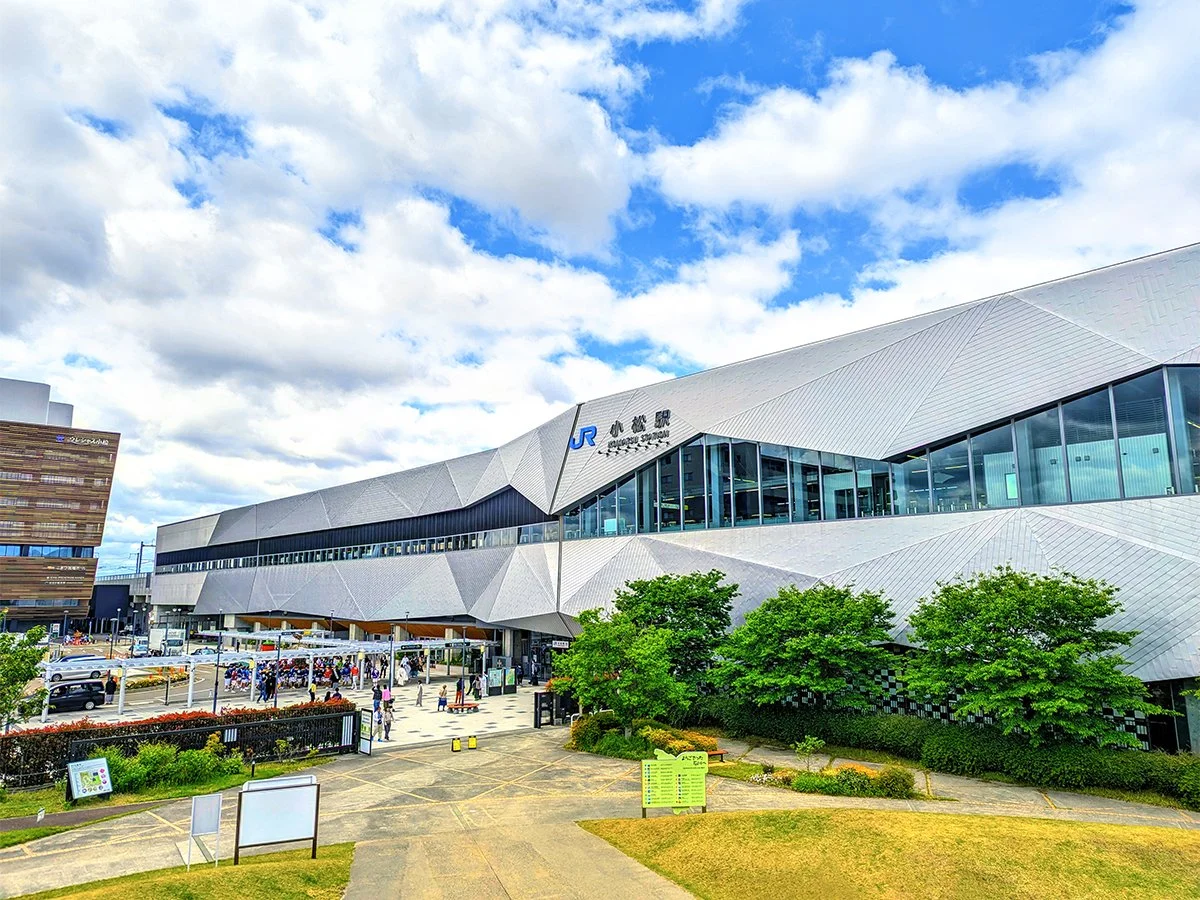
Accessible from Tokyo via the Hokuriku Shinkansen or Komatsu Airport, the city offers a quieter side of Japan away from major tourist crowds. With its mix of culture, cuisine, and craftsmanship, Komatsu makes for an excellent destination.
History of Komatsu City
Komatsu (“Little Pine”) originated as a settlement around fertile plains and rich stone quarries. Development began in earnest when Lord Toshitsune Maeda (前田 利常), third daimyo of Kaga domain, retired to Komatsu around 1640, transforming the castle town.
Maeda was a major patron of the arts, fostering a passionate craft and Kabuki culture. A festival of children’s Kabuki, the spring Otabi Matsuri began in the Edo period. Komatsu’s Ataka Port is also the setting for classic play Kanjincho (勧進帳) which debuted in 1840.
Building on the city’s mining industry, entrepreneur Meitaro Takeuchi (竹内 明太郎) founded Komatsu Iron Works in 1921. Today, Komatsu Ltd. is considered the world’s second-largest manufacturer of construction machinery.
Komatsu Airport opened in 1961, and remains the largest airport in the Hokuriku region. The Hokuriku Shinkansen (bullet train) extended to Komatsu in 2024, connecting the city directly to Tokyo. Komatsu is now home to a population of approximately 105,000.
Komatsu no Mori
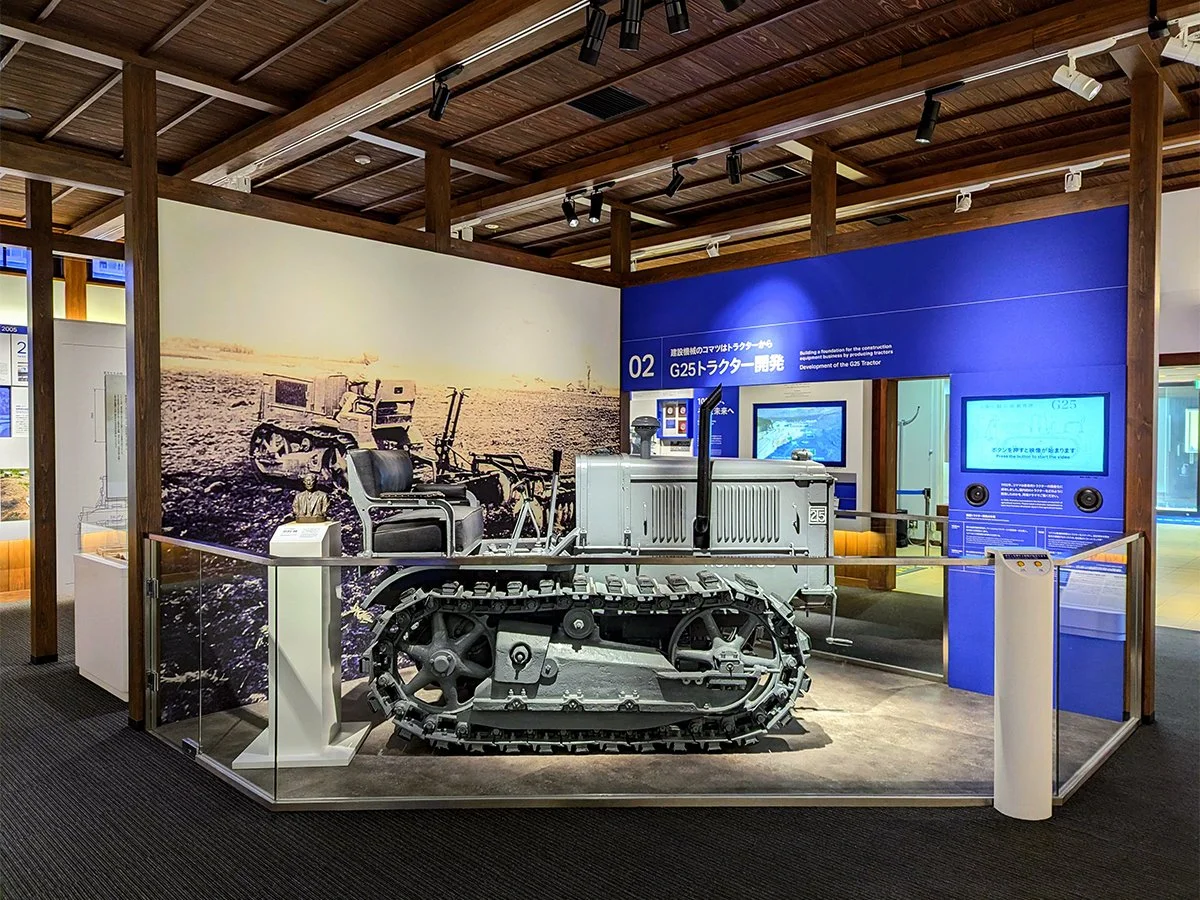
As the birthplace of Komatsu Ltd., Komatsu is synonymous with heavy machinery. The company was founded by entrepreneur Meitaro Takeuchi as Komatsu Iron Works in 1921. Born in present-day Kochi prefecture, he purchased Yusenji Copper Mine in 1902. After the mine declined, he expanded its equipment repair division into manufacturing.
Takeuchi’s goal was to support Japan through industrial development. I was especially impressed by Komatsu’s corporate philosophy, which emphasizes perfection over profit.
At Komatsu no Mori (Komatsu Green Park), visitors can see equipment up close and learn about the company’s history and technology. A major highlight is climbing into the driver’s seat of one of the world’s largest dump trucks! It looks like a giant toy.
The complex is conveniently located by Komatsu Station and free to enter. Exhibits include English-language guidance and there are many hands-on activities for children.
Kabuki Culture of Komatsu
Fostered by Lord Toshitsune Maeda, Komatsu enjoys a rich traditional arts culture. The mid-May Otabi Matsuri (“Traveling Festival”) began as a float parade for peace and prosperity around 1640. “Traveling” refers to the procession of mikoshi, or portable shrines, through the streets.
Children’s Kabuki was introduced a century later. Today, Otabi Matsuri is often called one of the three greatest children’s Kabuki performances in Japan. Furthermore, the cast is mostly girls which is a rarity nationwide! It’s a serious affair. The elementary schoolchildren practice for about two months, carefully memorizing scripts, practicing intonation, and enduring wig fittings!
Eight hikiyama floats have survived since around the 18th/19th century. They’re assembled without nails. Decorated in black lacquer and gold leaf, the floats have an especially magical quality when illuminated at night, creating a mysterious atmosphere.
Paid viewing seats and English-guided tours are available for the annual event. Advance purchase and reservation is required. Please check online for the latest information.
Outside the festival weekend, two hikiyama floats are on permanent display at the Hikiyama Gallery Miyossa. The site also offers traditional experiences such as a Kabuki makeover with full makeup and costume — advance reservations are required.
Kutani Ceramics
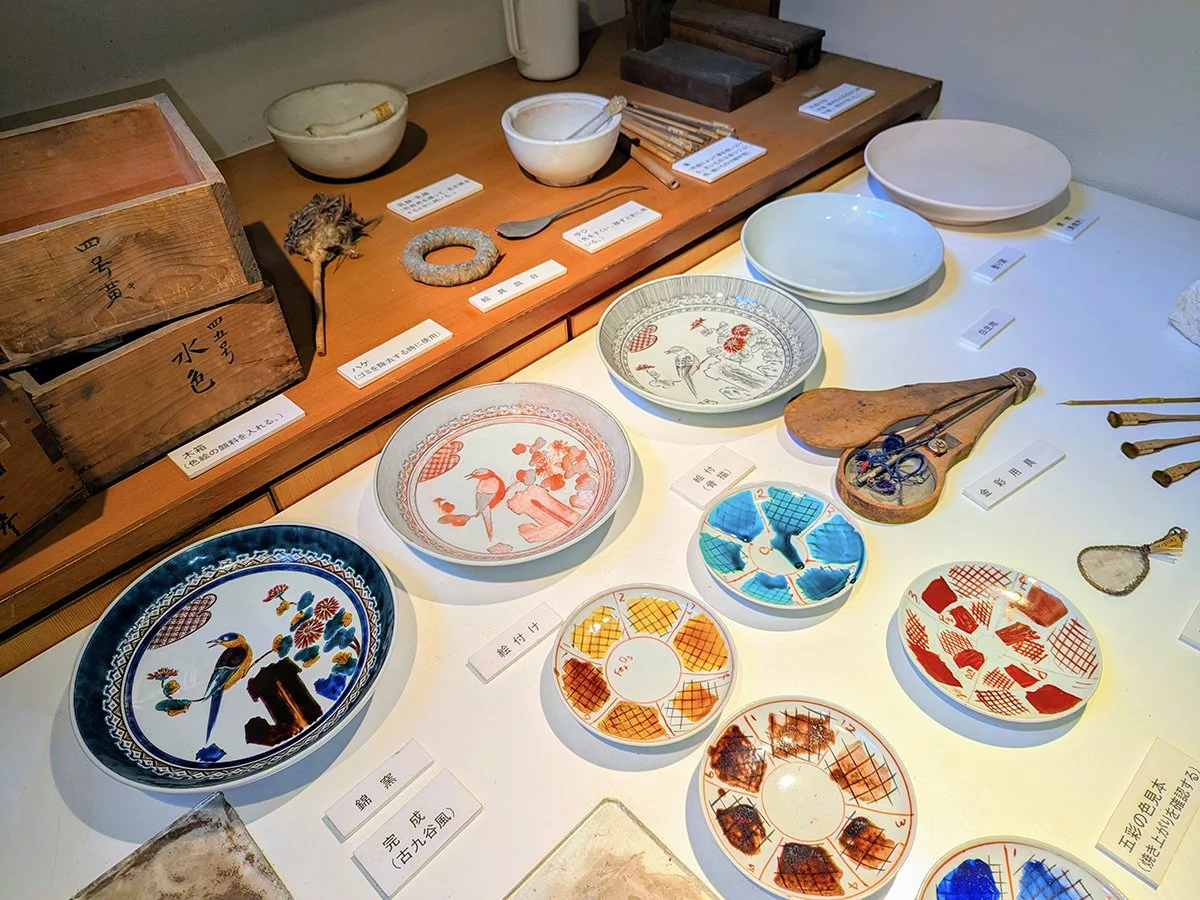
The Kaga area is renowned for Kutani yaki (ceramics). This colorful porcelain tradition boasts a history of over 350 years, dating to the Edo period. Specifically, Komatsu was the site of the Kutani Revival (Saiko Kutani) from the early 19th century.
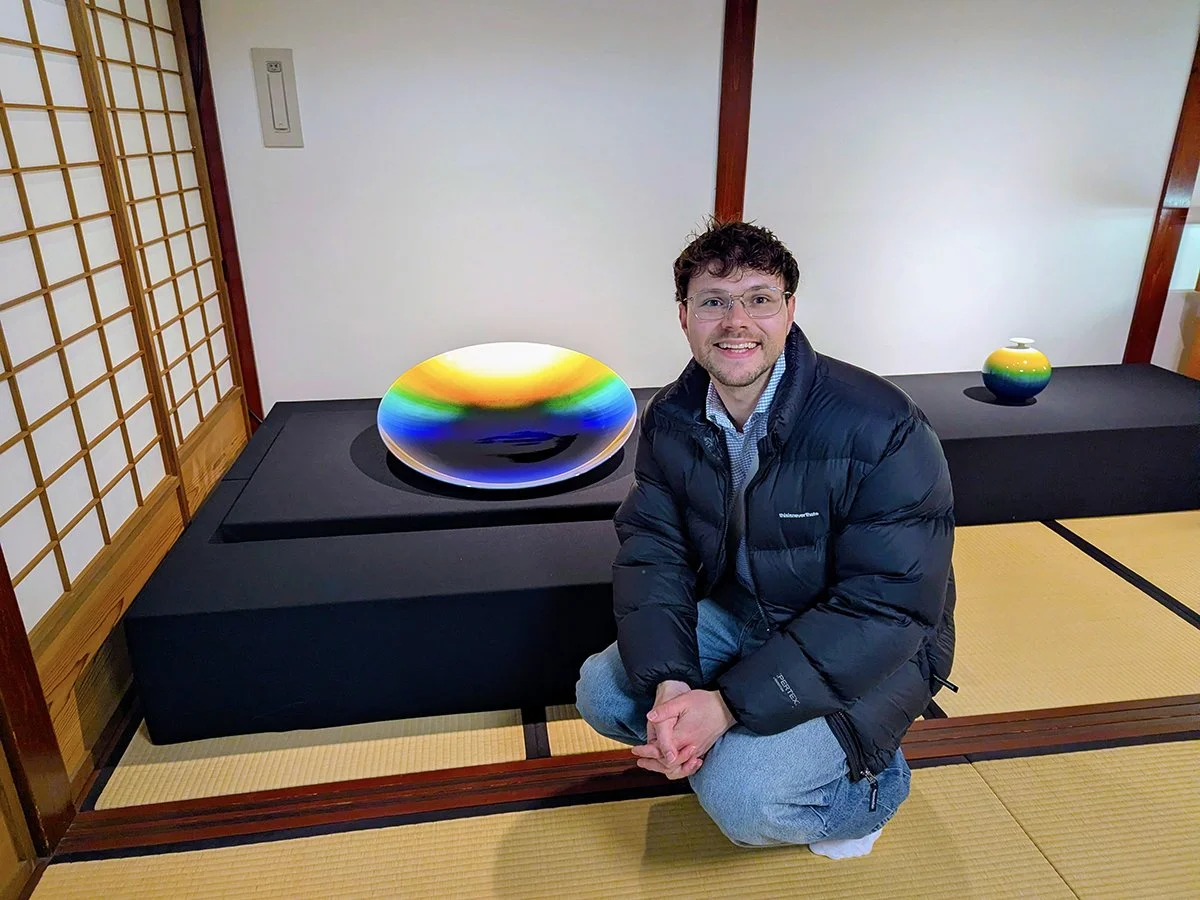
The city is the birthplace of the Yasokichi Tokuda (代徳田八十吉) lineage of master potters. The late Yasokichi Tokuda III pioneered saiyu glazing with beautiful color gradations. He was honored as a “Living National Treasure” in 1997 and his works can be found in major collections around the globe, including London and New York.
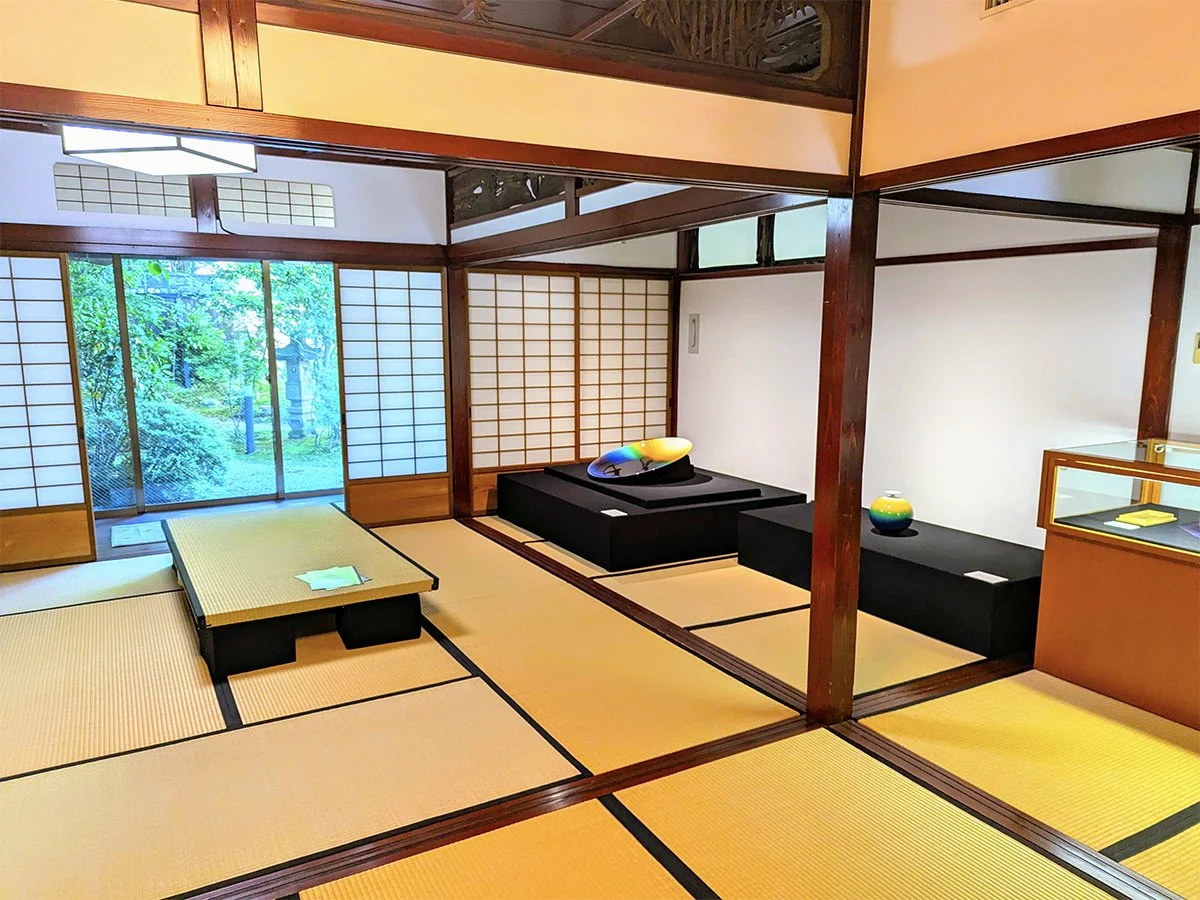
Art lovers must visit Nishikigama Gallery, which served as the Tokuda family home for three generations. The museum features a wonderful collection of Kutani yaki spanning from Ko-Kutani (Old Kutani) to modern pieces by Tokuda Yasokichi III. Don’t miss the original nishikigama — traditional woodfire kilns for overglaze painting.
Kutani yaki also makes for a perfect souvenir from Ishikawa prefecture. Explore nearby shops or stop by the Komatsu Souvenir Store at Komatsu Station.
Cuisine of Komatsu
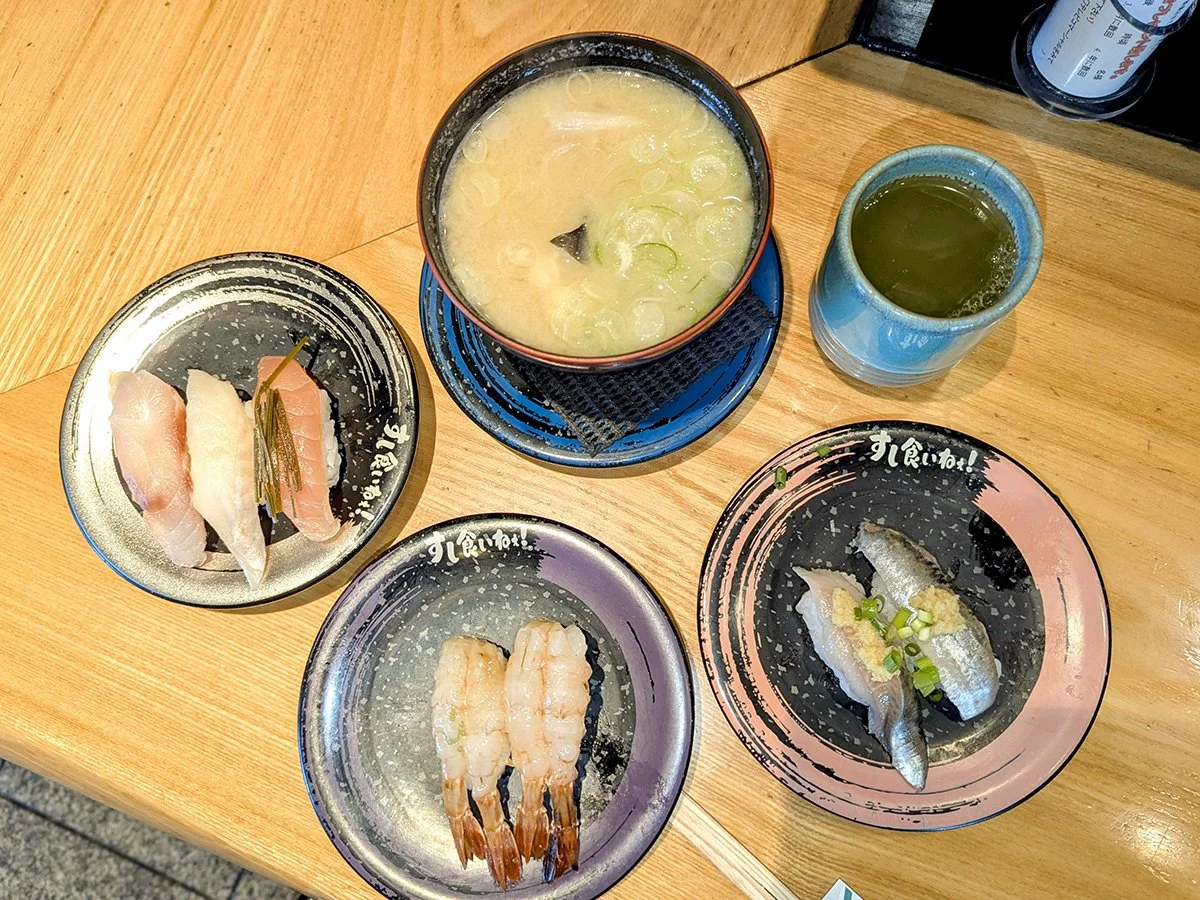
Komatsu offers many classic Japanese dishes — shop Sushi Kuine! (すし食いねぇ!) is especially popular — but the city is most famous for udon noodles. Made with pure spring water from holy Mount Hakusan, Komatsu udon is loved for its thin shape and light taste. It’s even said that it was enjoyed by famed haiku poet Matsuo Basho (松尾 芭蕉)! Dating back to 1905, local chain Nakasa Nakaten (中佐中店) offers luxurious udon hot pot. I recommend the duck set!
There are many wonderful wagashi shops selling traditional Japanese sweets. I visited family-run Yukimatsu Confectionary Shop. Established in 1837, it’s the oldest confectionary shop in Komatsu! I was served complimentary green tea with my seasonal kashiwa mochi, a chewy miso bean paste cake wrapped in an oak leaf.
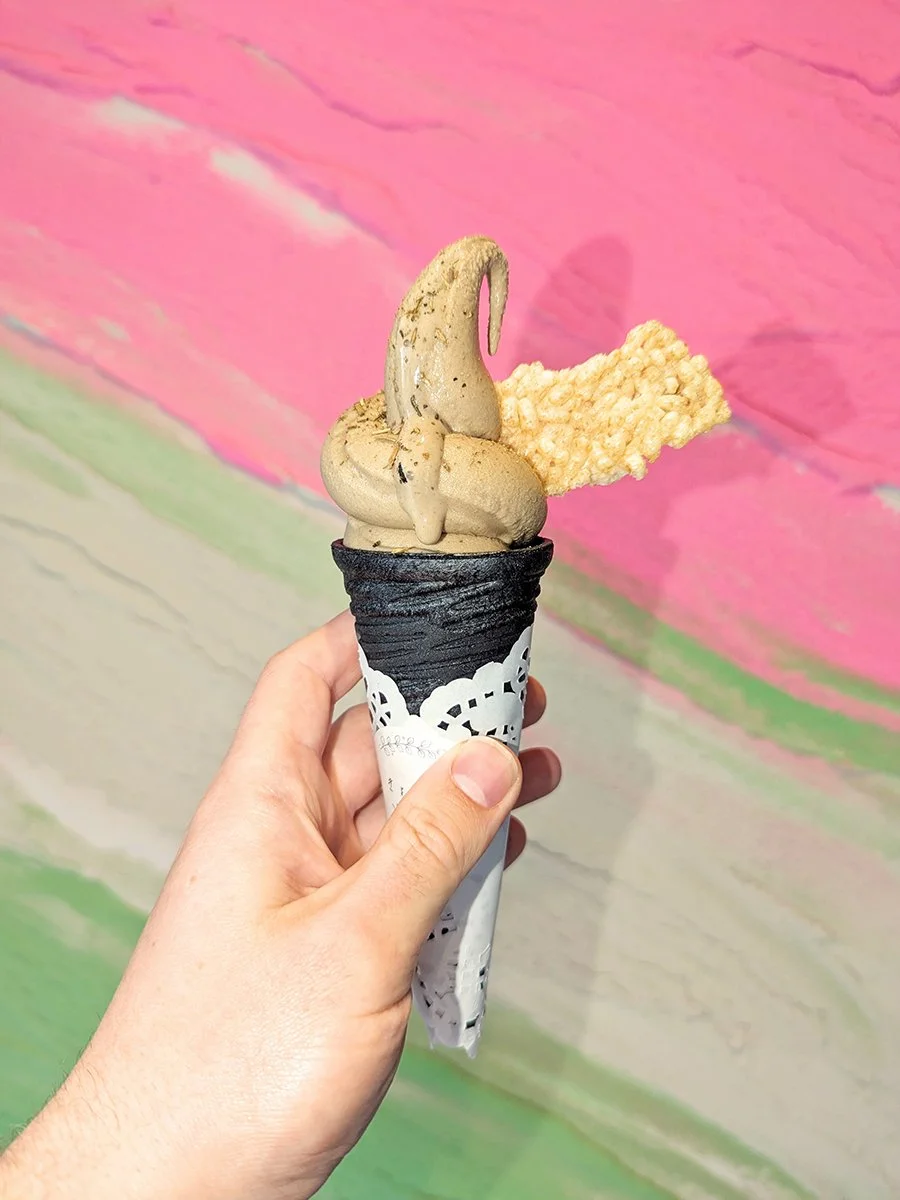
The surrounding Kaga region is known for a roasted tea specialty called Kaga bocha. Made from roasted plant stems, this tea variety has a rich aroma with little bitterness. Visit the historic Choboya Tea Shop (長保屋茶舗) or try the flavor as soy milk soft-serve ice cream at Kyo Soft (きょうを、ソフトに).
Komatsu is also home to the new craft beer brewery Komatsu Brewing — opened 2025 — offering original recipes. I enjoyed Koji ale, a unique drink made with sweet amazake.
Historic Rojo Park in golden hour, Komatsu, Ishikawa, Japan (2026). Photo by Danny With Love.
Top Attractions in Komatsu City
Komatsu no Mori (construction technology museum)
Hikiyama Gallery Miyossa (festival culture gallery)
Nishikigama Gallery (Kutani ceramics museum)
Rojo Park (Japanese garden)
Komatsu Souvenir Store (local shopping)
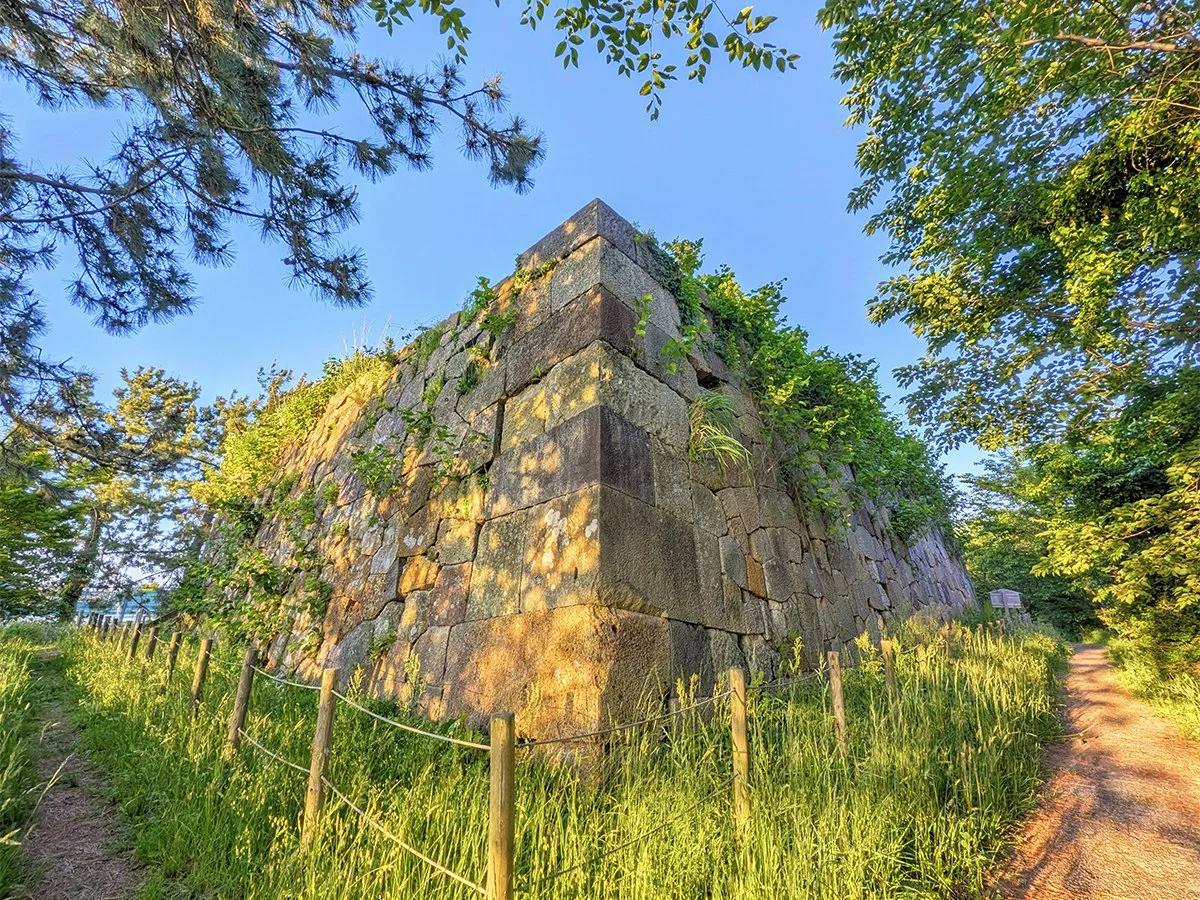
Remains of Komatsu Castle (castle ruins)
Komatsu Brewing (craft beer)
Frequently Asked Questions about Komatsu
-
Komatsu is most famous for heavy machinery company Komatsu Ltd., children’s Kabuki, and Kutani porcelain.
-
Komatsu is a great Japan destination thanks to unique regional culture, fewer crowds, and easy access. Especially, it’s a must-visit city for heavy machinery enthusiasts!
-
Visit in spring for Otabi Festival, learn about the Komatsu heavy machinery company, and appreciate Kutani ceramics.
-
The Hokuriku Shinkansen connects Komatsu Station directly to Tokyo in under three hours. Flights are also available to Komatsu Airport.
-
Komatsu’s city center is walkable, with many attractions around the station area. There are also further sites such as Natadera Temple accessible by taxi.
-
Otabi Matsuri or the “Traveling Festival” is an annual spring event in Komatsu featuring traditional floats and children’s Kabuki performances. It’s the largest festival in the city and among the largest in Ishikawa prefecture.
-
Komatsu has a long history of promoting Kabuki culture, with children’s Kabuki performances dating to the Edo period. Today, it’s said to be one of three cities continuing this tradition.
-
Kutani ware or Kutani yaki is a local porcelain craft characterized by colorful style. This pottery tradition has undergone many iterations since the Edo period and is appreciated around the world.
-
The city is most famous for Komatsu udon, which is especially thin and light. The surrounding region also specializes in Kaga bocha, a roasted tea variety with a deep aroma and low bitterness.
-
It’s possible to enjoy Komatsu as a day trip from Kanazawa or Fukui City. It also pairs well with a visit to nearby Kaga Onsen.